Balochistan Bans Gatherings, Weapons and Face Coverings Province-Wide for 30 Days
Balochistan's government imposed Section 144 across the entire province on September 23, banning gatherings of five or more people, weapons, face coverings and pillion riding for 30 days, days after security forces reported killing 19 militants in Quetta, Kech and Shaban.
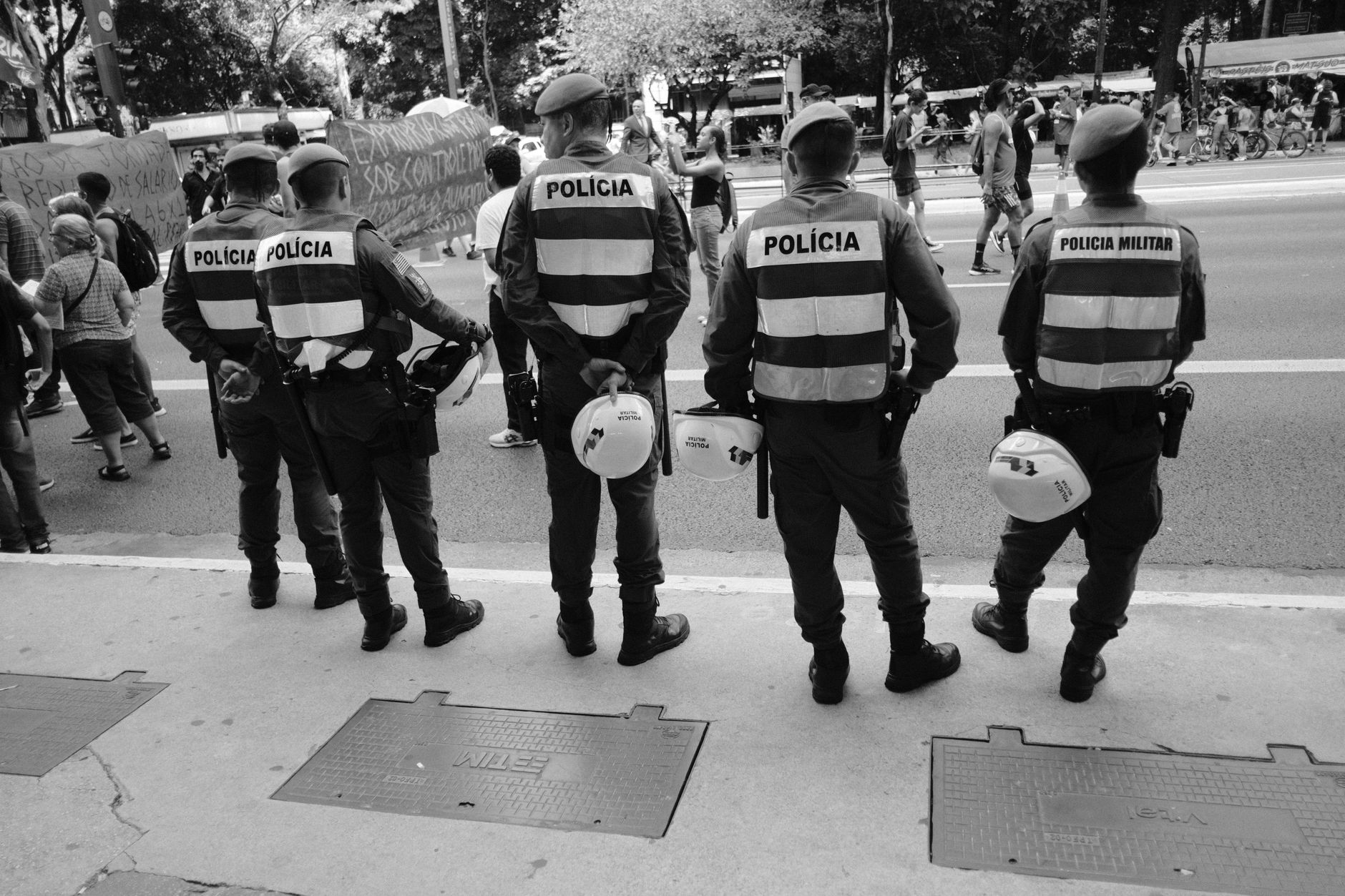
Photo by Leo Sacchi / Pexels
Balochistan's government imposed Section 144 of the Code of Criminal Procedure across the entire province on September 23, 2026, banning public gatherings, the display of weapons, face coverings and motorcycle pillion riding for 30 days, in one of the broadest civil-liberties restrictions the province has seen this year.
What the order actually bans
The notification, issued by the provincial home department, prohibits the assembly of five or more people at any public place, a category that covers sit-ins, processions, rallies and demonstrations. It also bars the display, carrying, possession or use of weapons of any kind by anyone other than authorized security personnel, prohibits covering one's face — including with masks, mufflers or veils — in public places, and bans pillion riding on motorcycles. District administrations and law-enforcement agencies have been directed to enforce the restrictions strictly, with violations to be prosecuted under the Code of Criminal Procedure.
The stated rationale
Provincial officials framed the order as necessary "to maintain public peace and tranquillity, law and order, and protect the lives and property of citizens." The timing follows a stretch of intensified security activity in the province: security forces reported killing 19 militants in operations across Quetta, Kech and Shaban districts between September 21 and 23, and the government has cited the resulting threat environment as the basis for the blanket order.
Not a one-off measure
This is not the first time Balochistan has imposed a province-wide Section 144 order in 2026 — the province did so in March and again at other points during the year, typically renewed or reissued as security assessments change. What distinguishes this iteration is its direct, immediate timing alongside a specific, named security operation and its unusually broad scope, extending beyond assembly and weapons restrictions to face-covering and pillion-riding bans that functionally give police wider latitude to stop and question people on the street.
How it differs from Punjab's order the same week
Balochistan's order landed within a day of a separate Section 144 order in Punjab, but the two are not connected. Punjab's restriction, also announced around September 24, is explicitly tied to intelligence about a planned PTI march and runs until October 5, with Rangers called in to four districts. Balochistan's order carries no such political trigger in its stated justification, is framed around the province's counter-militancy campaign, and covers the entire province for a full month rather than specific districts. That two of Pakistan's four provinces imposed sweeping assembly bans within roughly 24 hours of each other, for unrelated reasons, illustrates how routinely Section 144 — a colonial-era public-order provision — gets reached for as a first response to very different kinds of concern.
The civil-liberties trade-off
Blanket bans on gatherings and face coverings are, by design, broad enough to sweep up ordinary activity alongside whatever specific threat prompted them — a family wedding procession or a student's dupatta or motorcycle-helmet visor falls under the same restriction as an armed rally. Rights advocates in Balochistan have previously raised concerns about how such orders are enforced unevenly, often more strictly against political and rights demonstrations than against other gatherings, a dynamic that has come up repeatedly in documentation Baloch rights groups have presented to UN bodies this year. The provincial government has not published data on how the 30-day order will be enforced beyond the general directive to district administrations.
What we don't yet know
It is not yet clear whether the order will be extended past its 30-day window, as similar orders have been in the past, or whether specific districts will see exemptions as security conditions change. Build Better Pakistan will update this piece if the provincial government amends or extends the notification.
Build Better Pakistan's Rights Desk tracks civil-liberties and security policy developments across Pakistan's provinces.
This article is part of our Rights & Justice coverage — Access to justice, courts and civil rights.
Frequently Asked Questions
- What exactly does Balochistan's Section 144 order restrict, and for how long?
- The order, issued by the provincial home department and effective from September 23, 2026 for 30 days, bans gatherings of five or more people in public places — including sit-ins, processions, rallies and demonstrations — along with the public display or carrying of weapons, covering one's face with masks or veils in public, and pillion riding (double riding) on motorcycles, except for authorized security personnel.
- Is this the same as Punjab's Section 144 order issued around the same time?
- No. They are separate provincial orders issued by different governments for different stated reasons. Punjab's order, also dated September 24, was tied explicitly to intelligence about a planned PTI march and runs until October 5. Balochistan's order is province-wide, runs 30 days, and was issued in the context of the province's ongoing counter-militancy operations rather than a specific political rally.
Related Reading
Rights Group Tells UN Council Pakistan's Child Marriage Laws Are Only as Good as Their Enforcement
Human Rights Focus Pakistan told the UN Human Rights Council's 63rd session that roughly 19 million women and girls in Pakistan were married before 18, and that 54% of those marriages happened in provinces that already had a legal minimum age of 18 at the time — evidence, HRFP says, that new laws mean little without prosecutions behind them.
BBP Rights Desk · September 28, 2026 · 4 min
Balochistan CM Confirms 1,000 Residents to Be Relocated Ahead of Shor Parod Operation
Sarfraz Bugti told the Balochistan Assembly that around 1,000 people from the mountainous Shor Parod area of Mastung district will be temporarily relocated for a security operation, as Kalat's administration set a September 28 deadline to vacate and residents elsewhere reported similar orders.
BBP Balochistan Desk · September 28, 2026 · 3 min

Federal Constitutional Court Upholds Ban on Ahmadi Community's Core Religious Text
Pakistan's Federal Constitutional Court dismissed all petitions against a 2014 Punjab government ban on the 23-volume Rohani Khazayeen, the Ahmadiyya community's foundational religious writings, prompting UN and international rights groups to renew concern over the community's treatment.
BBP Rights Desk · September 28, 2026 · 4 min