Riyadh Airport Attack Kills 12 in the Deadliest Houthi Strike on Saudi Arabia in a Decade
A Houthi strike on King Khalid International Airport on October 10 killed 12 people and wounded 309 — the third hit on the same airport in a week, and the deadliest attack on Saudi Arabia in ten years. Pakistani troops are now stationed in the kingdom under a mutual-defence pact triggered by the same campaign.
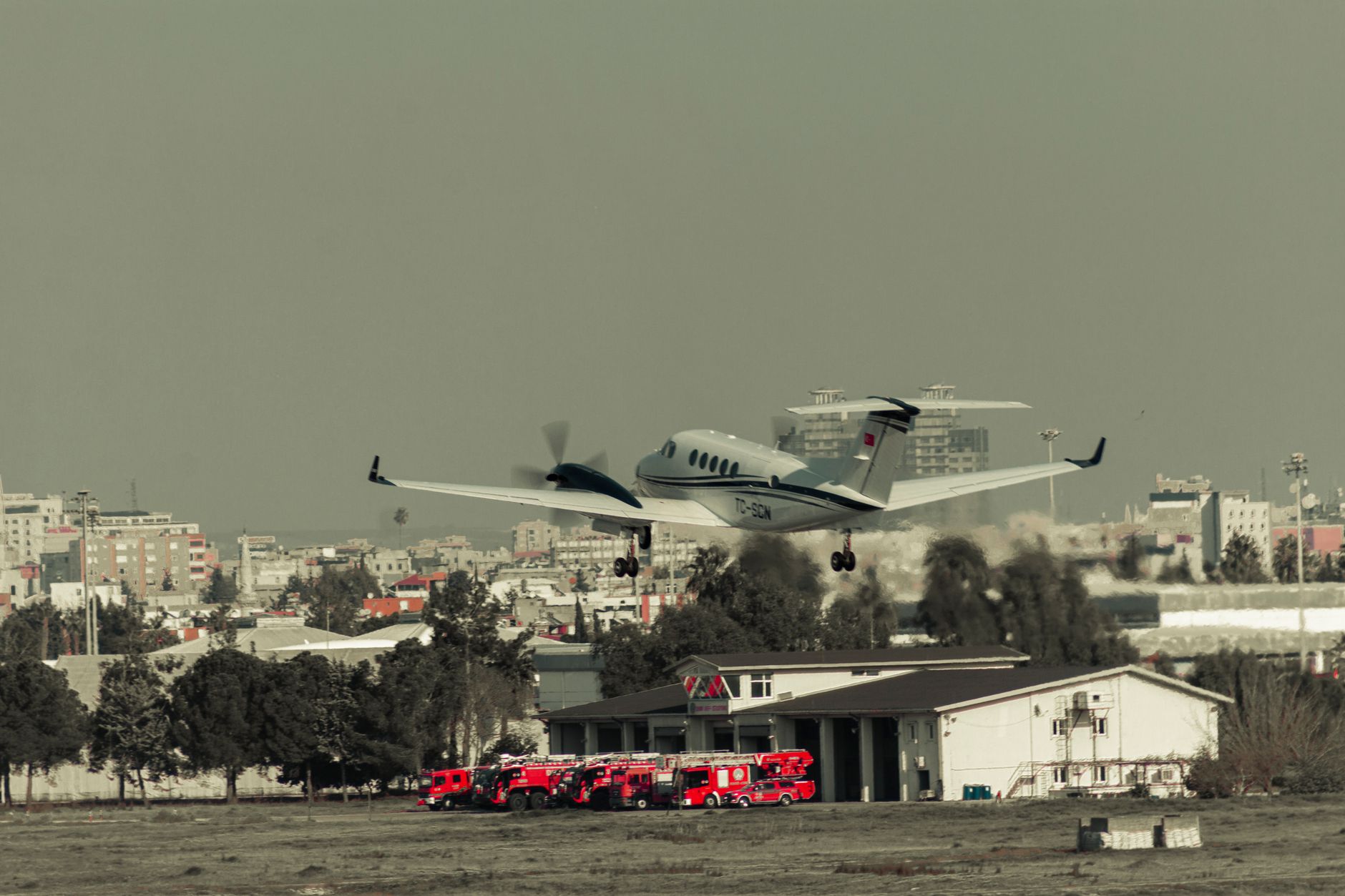
Photo by UMUT DAĞLI / Pexels
A Houthi missile strike on King Khalid International Airport in Riyadh killed 12 people and wounded 309 on October 10, 2026 — the third strike on the same airport within a week, and by multiple accounts the deadliest attack on Saudi Arabia in ten years. For Pakistan, the escalation lands on a country it is no longer watching from the sidelines: its troops are already stationed inside Saudi Arabia under a mutual-defence pact this same campaign activated.
What happened, and who it killed
Saudi officials said the dead included four Saudi nationals, two Bangladeshis, and one person each from the United States, Egypt, Jordan, Syria, Palestine and Sudan — a casualty list that spans nine countries from a single strike. Several of the 309 wounded were in critical condition. A Saudi-led coalition attributed the attack to the Houthis, who had not formally claimed it as of the latest reporting, though an initial assessment pointed to a ballistic missile. Saudi authorities extended the airport's closure into Sunday, October 11, after flight operations there had only just returned to something close to normal following an earlier, smaller strike on October 6-7 that killed three people and wounded 36, including a Pakistani resident.
The jump in scale is the story. Three dead and 36 wounded a week ago; 12 dead and 309 wounded now, at the same airport, for the third time in seven days. That trajectory is why multiple outlets are calling this the worst single attack on the kingdom since before the current war in Yemen's latest phase began, and why President Trump was reported saying Washington was weighing whether to join Saudi strikes against the Houthis directly — a step the US had so far avoided even after Crown Prince Mohammed bin Salman personally appealed for American air power.
Why this isn't a story Pakistan can watch from a distance
Pakistan, Saudi Arabia and Türkiye signed the Makkah Joint Defence Agreement in August 2026, a pact under which an attack on any one signatory is treated as an attack on all three. On October 5, as Houthi strikes on Saudi targets intensified, the three countries' defence officials met in Riyadh and agreed to the rapid deployment of Pakistani and Turkish forces inside the kingdom — the pact's first real-world invocation rather than a paper commitment. Pakistan's own military spokesman has since confirmed on camera that Pakistani troops are already present in Saudi Arabia, without detailing their role or location.
That confirmation came days before the deadliest strike of the campaign so far hit the country's busiest airport. Pakistani personnel deployed under the pact are not bystanders to this escalation; they are inside the country absorbing it, under a treaty that explicitly obliges Pakistan to treat the attack as its own.
The corridor Pakistani families actually feel
Saudi Arabia is the single largest destination for Pakistani overseas workers: it took more than 530,000 of the roughly 762,000 Pakistanis who registered for jobs abroad in 2025, and over 143,000 more in the first five months of 2026 alone, according to Bureau of Emigration and Overseas Employment figures. Riyadh's airport is the gateway for a large share of that traffic. Pakistan International Airlines had already paused its own Riyadh flights on October 9-10 after the first wave of strikes, part of 42 cancellations and 68 delays recorded across Pakistani airports that week. A second, far deadlier attack at the same airport only extends the uncertainty facing workers and families who move through that single route, with no airline or government statement yet giving a date for when Riyadh service, in either direction, returns to normal.
What to watch next
Three things will shape how far this goes: whether the Houthis escalate again at King Khalid International or shift to a different Saudi target, whether Washington follows through on joining Saudi strikes after holding back for months, and whether Pakistan's deployment under the Makkah pact expands beyond its current, undisclosed footprint now that the conflict it was built to deter has produced its bloodiest day yet. Build Better Pakistan will update this story as Saudi authorities confirm further details and as Pakistan's government responds.
Build Better Pakistan's Foreign Desk is tracking the Houthi-Saudi conflict and Pakistan's commitments under the Makkah Joint Defence Agreement as they develop.
This article is part of our Security coverage — Public safety, policing and community trust.
Frequently Asked Questions
- How many people were killed and wounded in the October 10 Riyadh airport attack?
- Saudi officials put the toll at 12 dead and 309 wounded after a strike on King Khalid International Airport on October 10, 2026. The dead included four Saudi nationals, two Bangladeshis, and one person each from the United States, Egypt, Jordan, Syria, Palestine and Sudan. Saudi-led coalition officials and multiple outlets described it as the deadliest attack on the kingdom in a decade.
- Is Pakistan directly exposed to this attack beyond its workers in Saudi Arabia?
- Yes. Pakistan signed the Makkah Joint Defence Agreement with Saudi Arabia and Türkiye in August 2026, and on October 5 the three countries agreed to rapidly deploy Pakistani and Turkish forces inside the kingdom — the pact's first invocation. Pakistan's military has since confirmed troops are already present. That puts Pakistani personnel inside a country now absorbing the deadliest single attack of this Houthi campaign.
Related Reading
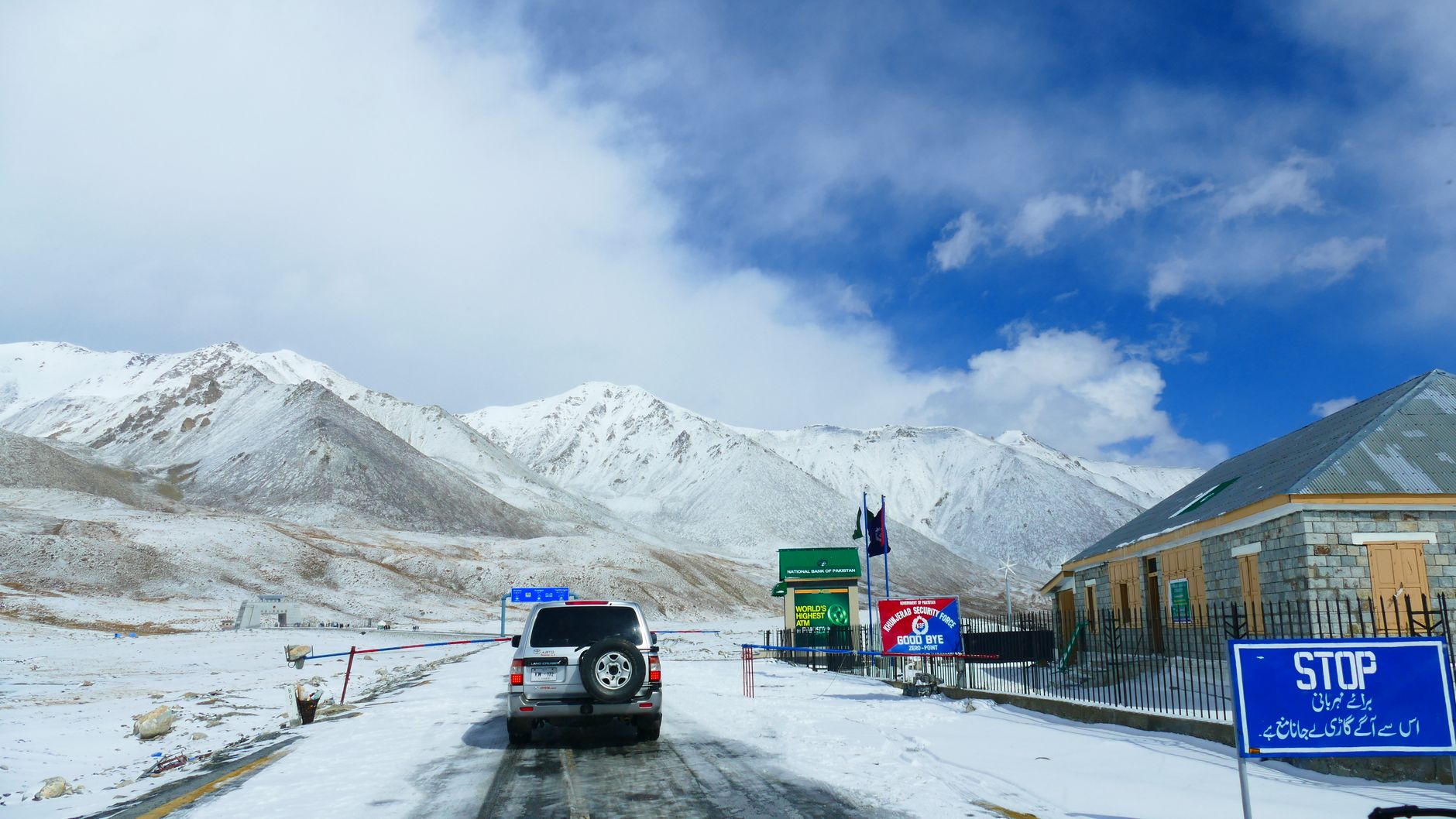
ISPR Says Afghan Taliban Posts Fired to Cover a Kurram Infiltration Bid. One Soldier Died Stopping It.
Security forces killed 12 people — described by ISPR as Khwarij and Afghan Taliban personnel together — while foiling a border infiltration attempt in Kurram detected October 10. Naib Subedar Hidayat Aman was martyred in the exchange of fire, which the military says included support from Afghan Taliban border posts.
BBP Security Desk · October 11, 2026 · 4 min
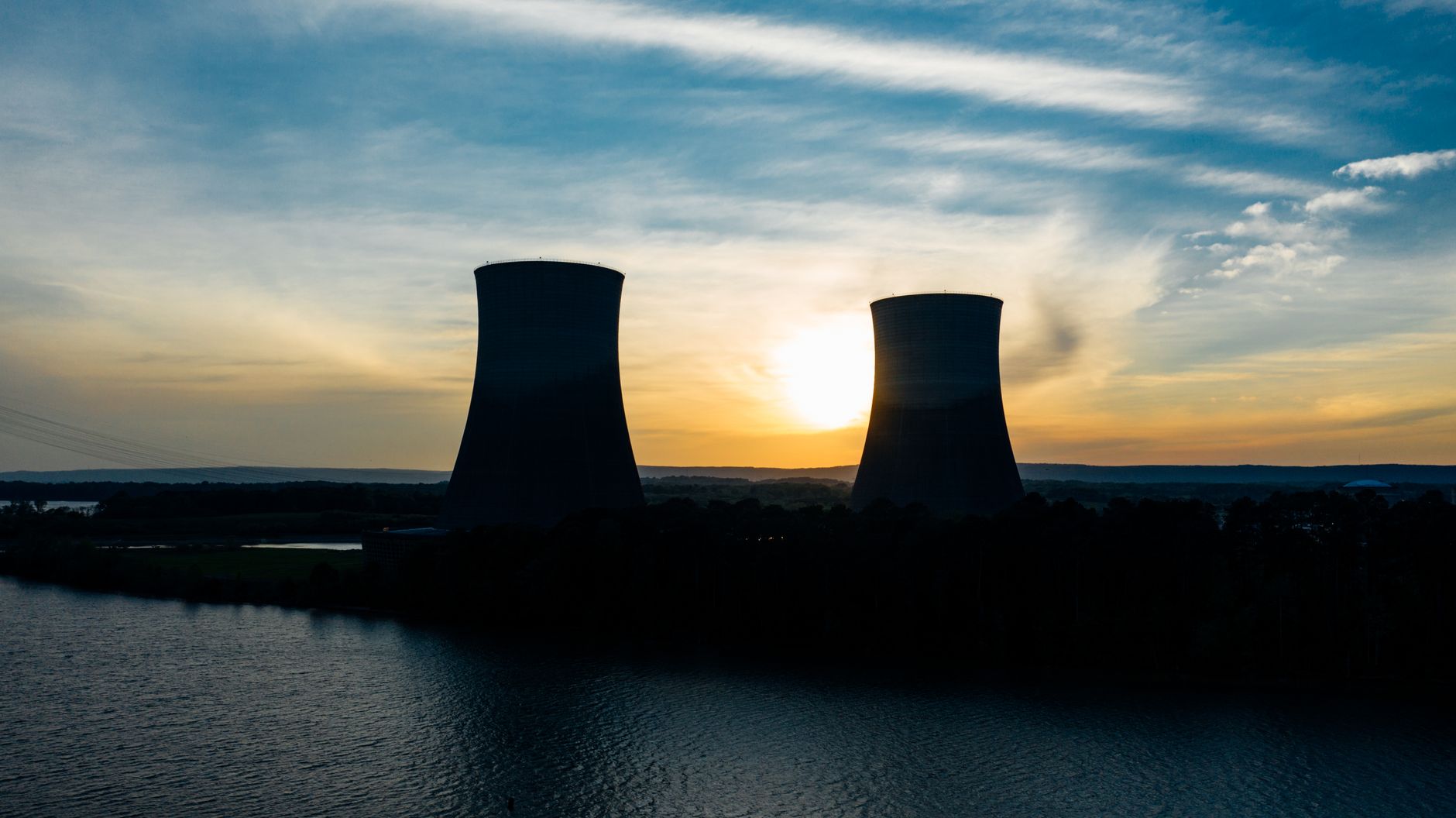
IAEA Runs Its First-Ever Security Review of Pakistan's Nuclear Sites, Calls the Regime 'Robust'
A seven-member IAEA team wrapped up a 12-day International Physical Protection Advisory Service mission on October 9, the first Pakistan has ever hosted, concluding its nuclear security regime is robust while recommending further fixes after inspecting the KANUPP-1 decommissioning site in Karachi.
BBP Security Desk · October 10, 2026 · 4 min
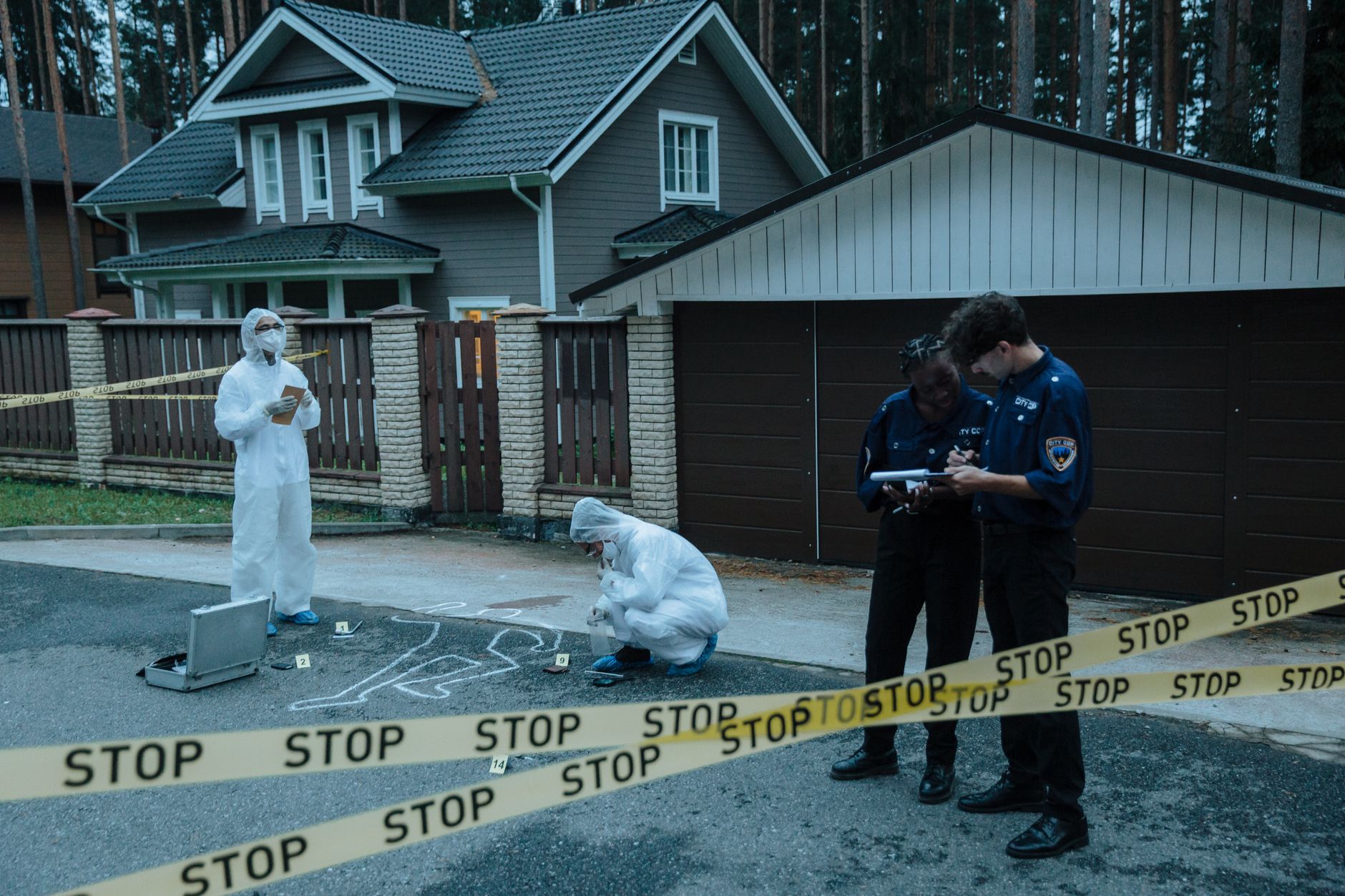
Election Commission's Director General Shot Dead in Tank
Unidentified gunmen killed Shamshad Khan, the Election Commission of Pakistan's director general and former provincial election commissioner for Khyber Pakhtunkhwa, as he travelled through Tank district on October 10 after attending a condolence gathering for his late brother.
BBP Security Desk · October 10, 2026 · 4 min