Houthi Strikes on Riyadh and Abha Airports Kill Three, Injure a Pakistani Resident
Houthi attacks on King Khalid International Airport in Riyadh and Abha International Airport killed three people and injured 36 on October 6-7, with a Pakistani resident among the wounded — the sharpest escalation yet of a war Pakistan is now militarily tied to.
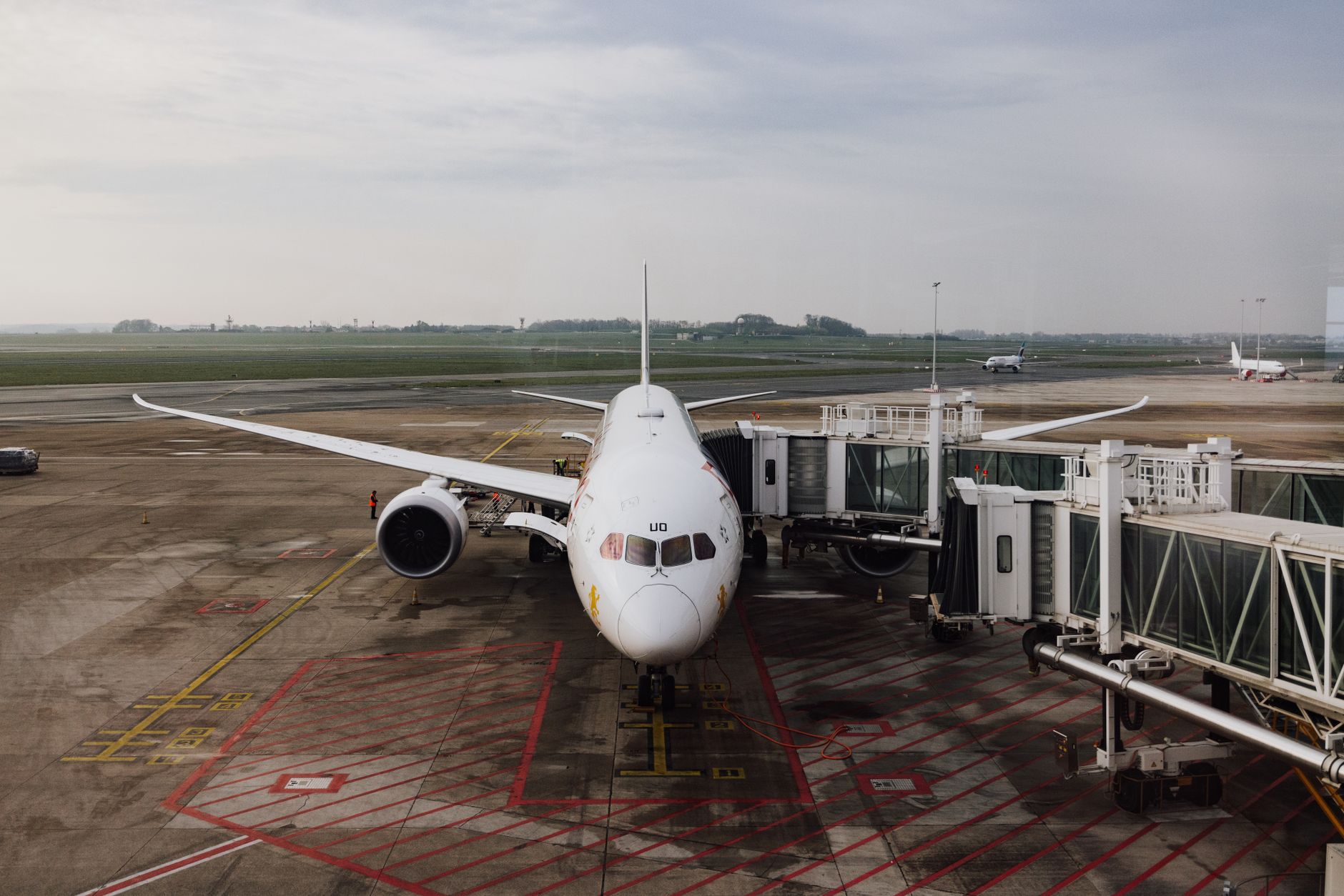
Photo by K / Pexels
Houthi missiles and drones hit two Saudi airports within a day of each other this week, killing three people and wounding dozens in the clearest sign yet that Yemen's civil war is spilling directly onto Saudi civilian infrastructure — and, with a Pakistani resident among the injured, onto a conflict Pakistan itself is now formally committed to.
What was hit
Saudi Arabia's General Authority of Civil Aviation (GACA) said strikes on October 6 and 7 hit King Khalid International Airport in Riyadh, the kingdom's busiest, and Abha International Airport near the Yemeni border. GACA put the toll at three dead and 36 injured: a Sudanese man killed in the Riyadh attack, and two women — one Moroccan, one Algerian — killed at Abha, where 28 of the injured were recorded. Five Saudi nationals, two Egyptians and one Pakistani resident were among the wounded. The Houthis claimed both strikes, and a Houthi spokesman, Yahya Saree, followed up with a warning to airlines "for the last time" to stop flying into Saudi airspace. A separate strike the group claimed against King Khalid International on October 8 killed one person and wounded eight more, according to preliminary reports Saudi authorities had not yet confirmed as of this writing.
The fallout moved fast
Airlines reacted within hours. IndiGo, Air India and Philippine Airlines all suspended flights to Riyadh, Philippine Airlines through at least October 11, and other carriers trimmed schedules as insurers reassessed risk on routes into the Saudi capital. The US Mission in Saudi Arabia issued a security alert warning American citizens of further drone and missile attacks and cautioning that the conflict could widen. In response, the Saudi-led coalition said it had struck 82 Houthi military targets, and Houthi forces separately claimed a missile strike on Aden, the seat of Yemen's internationally recognised government.
Why Pakistan isn't a bystander here
Pakistan signed the Makkah Joint Defence Agreement with Saudi Arabia and Turkiye on August 7, 2026, a pact declaring that an attack on any one signatory is an attack on all three. We covered the pact's build-out, including the appointment of its first Secretary General, and the escalating chain of Houthi attacks that has tested it since: a drone strike on Madina's Taibah power station in late September, which Pakistan's Foreign Office condemned as a "grave provocation", and an October 5 emergency meeting in Riyadh at which Pakistan, Saudi Arabia and Turkiye agreed to the "rapid deployment" of military forces inside the kingdom. This week's airport strikes are the most direct hit yet on civilian life and international air traffic, rather than military or energy infrastructure, and they landed just a day before Pakistan's military spokesman went on record for the first time about what Pakistani forces are actually doing inside Saudi Arabia.
The question this leaves open
GACA's casualty breakdown — nationals of five different countries hurt in a single set of strikes at two airports — underscores how far the Houthi campaign now reaches beyond a localised Yemen-Saudi border conflict. For Pakistan, a government resident among the wounded turns a treaty commitment into something with a direct, if indirect, human cost at home. Whether Thursday's claimed third strike on King Khalid International holds up once Saudi authorities confirm or deny it will be the next marker of whether this de-escalates or keeps intensifying.
Build Better Pakistan's Foreign Desk is tracking the Houthi-Saudi conflict and Pakistan's commitments under the Makkah Joint Defence Agreement as they develop.
This article is part of our Security coverage — Public safety, policing and community trust.
Frequently Asked Questions
- What happened at Riyadh and Abha airports, and who was hurt?
- Houthi strikes hit King Khalid International Airport in Riyadh and Abha International Airport on October 6-7, 2026. Saudi Arabia's General Authority of Civil Aviation said the attacks killed three people — a Sudanese man in Riyadh and two women, one Moroccan and one Algerian, in Abha — and injured 36, including five Saudi nationals, two Egyptians and one Pakistani resident.
- Why does this matter for Pakistan specifically?
- Beyond the injured Pakistani resident, Pakistan signed the Makkah Joint Defence Agreement with Saudi Arabia and Turkiye in August 2026, committing to treat an attack on the kingdom as an attack on Pakistan itself. The airport strikes are the backdrop against which Pakistan's military spokesman gave a CNN interview confirming Pakistani troops are already present in Saudi Arabia.
Related Reading

Islamabad Calls NYT Report on PAF Jets Over Yemen 'Fake and Fabricated'
Pakistan's Information Ministry rejected a October 7 New York Times report, sourced to an anonymous senior military official, that Pakistan Air Force jets are flying against the Houthis — without directly addressing the aircraft claim itself.
BBP Security Desk · October 9, 2026 · 3 min
Pakistan Navy Seizes 2,850kg of Ice and Hashish Worth $96m in Two Arabian Sea Raids
PNS Yarmook intercepted two dhows carrying roughly 850kg of crystal methamphetamine and 2,000kg of hashish hidden in concealed compartments, in the navy's third publicly announced counter-narcotics haul since June.
BBP Security Desk · October 8, 2026 · 4 min
18 Militants Killed in North Waziristan and Mastung as Forces Recover Weapons Cache
Security forces killed 13 militants in a North Waziristan intelligence-based operation and five more in Mastung, Balochistan, state media said October 7-8, with a large weapons cache recovered at the Balochistan site and clearance operations still underway.
BBP Security Desk · October 8, 2026 · 3 min