Sindh's Mpox Count More Than Doubles to 93 in a Week, With 11 Deaths Now on the Record
Sindh's 2026 mpox tally jumped from 43 cases in late September to 93 by October 7, with the death toll climbing to 11 — a surge driven by a critically ill 50-year-old dialysis patient from Nawabshah and a province-wide pattern that keeps adding roughly 20 cases a month.

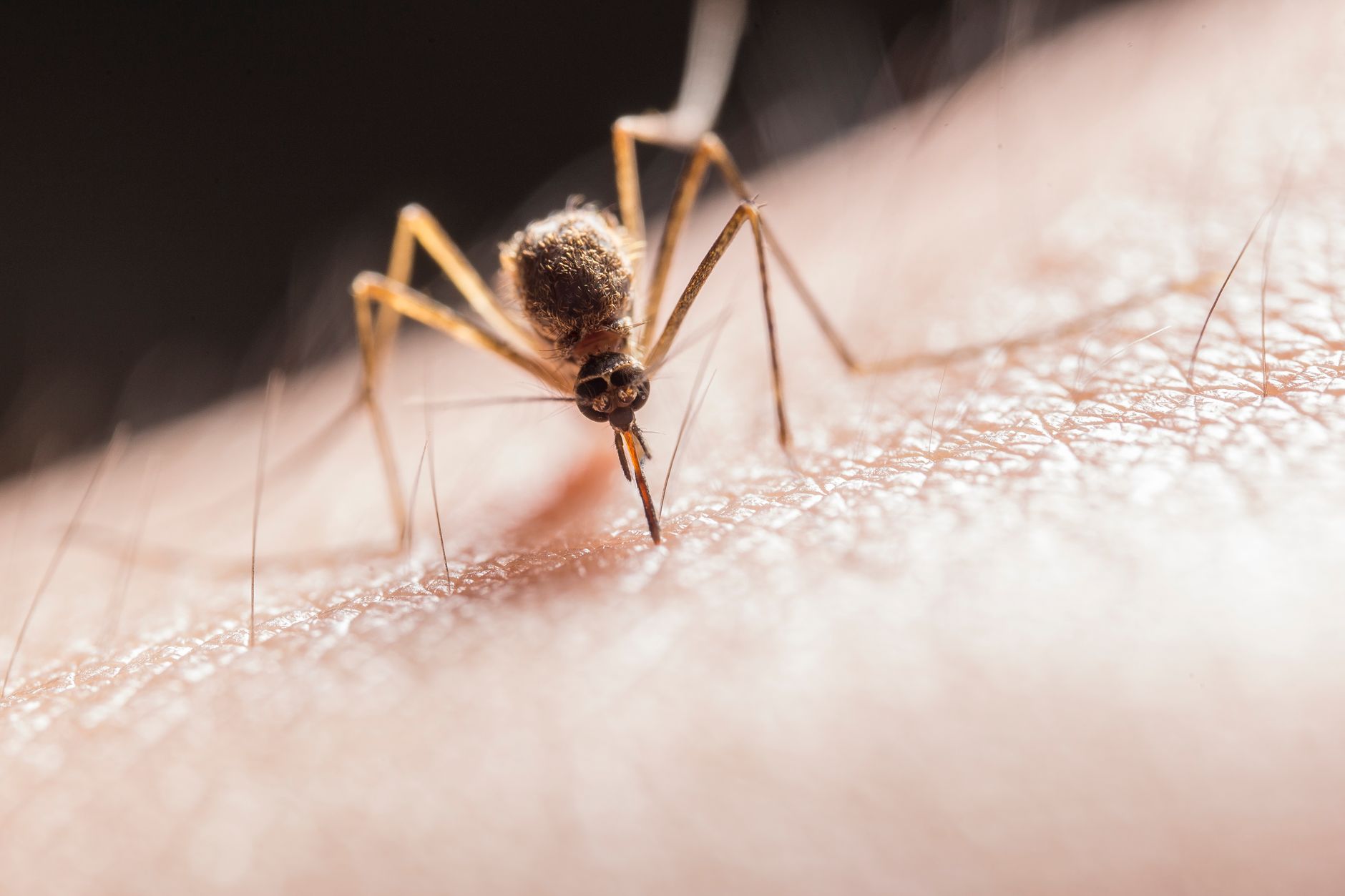
Photo by Jonathan Borba / Pexels
Sindh's mpox outbreak has gone from a slow-burning story to one of the fastest-moving public health numbers in Pakistan this year: the province's confirmed case count has more than doubled in just over a week, from the 43 cases this site reported on September 29 to 93 as of October 7, according to the Provincial Disease Surveillance and Response Unit. The death toll now stands at 11.
A jump too large to call a data correction
Sindh's health authorities had logged 41 confirmed cases on September 5 and 43 by late September — a count that had been climbing by two or three cases every week or two since the spring. The move to 93 by October 7 breaks that pattern. It is not one bad week; it reflects an entire month of additions landing on top of each other, with September alone contributing 20 confirmed cases and October already adding six more in its first week. Khairpur, which was the year's early hotspot, and Karachi have both kept adding cases through the period, while Sukkur has emerged as a smaller but persistent third cluster.
Where the cases are concentrated
Karachi accounts for 26 of the province's 93 cases, the largest single-district total, followed by Khairpur with 22 and Sukkur with nine. That leaves roughly a third of the tally spread across smaller numbers in other districts — a wider geographic footprint than the outbreak had in the spring, when Khairpur's cluster among children dominated the case count and the death toll. Of the 93 confirmed infections, 70 are men and 23 are women, and the 30-39 age bracket is the most affected single group, though 23 children up to age nine have also tested positive, a reminder that the pattern of child infections that defined the Khairpur cluster earlier in the year has not disappeared.
The case that put the outbreak back in the news
The most recent confirmed patient is a 50-year-old man from Nawabshah who was shifted to the Sindh Infectious Diseases Hospital in Karachi's NIPA area in critical condition and admitted to intensive care. A senior doctor treating him said his condition was poor largely because of chronic kidney disease requiring dialysis — a pre-existing condition compounding the infection rather than mpox alone driving the severity. That distinction matters for the same reason it mattered during the Khairpur cluster in April, when nine deaths were recorded among 25 cases but health officials stressed that mpox had not been established as the direct cause of death in several of those cases, which involved already weak and malnourished children. The pattern with this latest patient is similar: a serious underlying illness meeting an infection that, in healthier patients, has mostly produced a rash and a hospital visit rather than a life-threatening course.
The monthly trend behind the headline number
Broken down by month, the province's confirmed cases read: five in March, two in May, four in June, seven in July, 17 in August, 31 in April — the single worst month of the year — 20 in September, and six so far in October. That sequence shows the outbreak never actually stopped after the deadly April cluster in Khairpur; it simply moved from a concentrated, high-fatality spike to a steadier drip of cases that has, cumulatively, done more damage to the yearly total than the dramatic April numbers alone suggested at the time. Eleven deaths across 93 cases over the full year is a lower case-fatality rate than April's cluster implied in isolation, but it is still a toll that keeps growing month over month.
Why this still isn't being treated as an emergency
As was true when this site covered the 43-case milestone, Sindh's mpox response operates without the international emergency status that accompanied the disease in 2024. The World Health Organization lifted its global public health emergency of international concern in September 2025, and the Africa Centres for Disease Control followed with its own stand-down in January 2026. Pakistan built out mpox testing capacity at all four provincial public health laboratories and the National Institutes of Health in Islamabad after the 2024 emergency, and that infrastructure is what is now catching cases as they arrive in Karachi, Khairpur, Sukkur and, now, Nawabshah — rather than any renewed international alert driving the response.
What the trajectory suggests
Doubling from 43 to 93 cases in roughly a week of reporting, even accounting for cases accumulating gradually before being tallied together, puts Sindh's 2026 mpox count on a trajectory that shows no sign of plateauing before the year ends. The province is managing this alongside a nationwide dengue surge that is already swamping hospitals in four provinces and continued vigilance over polio, which has kept Pakistan under WHO-mandated international travel restrictions. For a province juggling three disease outbreaks at once, mpox's climb past the 90-case mark is one more line item competing for the same stretched district health budgets and the same hospital beds.
Build Better Pakistan's Health Desk is tracking Sindh's weekly mpox updates and will report the next confirmed tally as it is released.
This article is part of our Health coverage — Public health systems, maternal care and health equity.
Frequently Asked Questions
- How many mpox cases and deaths has Sindh recorded in 2026, and how fast is the count rising?
- Sindh's Provincial Disease Surveillance and Response Unit put the province's 2026 tally at 93 confirmed mpox cases and 11 deaths as of October 7. That is more than double the 43 cases this site reported on September 29, and up from 41 cases on September 5 — a pace of roughly 20 new confirmed cases a month since the summer. Karachi has the most cases at 26, followed by Khairpur with 22 and Sukkur with nine, with the rest spread across other districts.
- Who is getting infected, and what happened with the most recent case?
- Of the 93 confirmed cases, 70 are men and 23 are women, with the 30-39 age group most affected; 23 children up to age nine have also tested positive. The most recent case is a 50-year-old man from Nawabshah who was shifted in critical condition to the Sindh Infectious Diseases Hospital in Karachi's NIPA area and admitted to intensive care — doctors attributed his poor condition largely to pre-existing chronic kidney disease requiring dialysis, not to mpox alone. Monthly confirmed-case counts show April as the worst month with 31 cases, followed by September with 20, August with 17 and six so far in October.
Related Reading
Dengue Cases Explode Across Four Provinces as October Daily Counts Dwarf September's Totals
Punjab, Sindh, Khyber Pakhtunkhwa and Islamabad are all reporting several hundred new dengue cases a day, with three more deaths confirmed — a jump so steep that single-day case counts now exceed what Punjab recorded for the whole of September.
BBP Health Desk · October 7, 2026 · 4 min
Pakistan's Sixth Polio Case of 2026 Breaks Out of Bannu, Turns Up in Khyber District Instead
A seven-year-old boy from Union Council Ghundi-A in Khyber district's Jamrud tehsil is Pakistan's sixth confirmed wild poliovirus case of 2026, the National Emergency Operations Centre said October 5 — the first of this year's cases to come from outside the Bannu division that has produced four of the previous five.
BBP Health Desk · October 5, 2026 · 4 min

FAO: More Than 60% of Pakistanis Can't Afford a Healthy Diet
A new FAO assessment finds Pakistan's food system produces plenty of calories but the wrong mix of them — oversupplying cereals, sugar and edible oil while undersupplying fruit, vegetables and pulses. The result: 40% of children under five are stunted, 40% of adults are obese, and the country has the world's highest adult diabetes burden.
BBP Health Desk · October 1, 2026 · 4 min