FAO: More Than 60% of Pakistanis Can't Afford a Healthy Diet
A new FAO assessment finds Pakistan's food system produces plenty of calories but the wrong mix of them — oversupplying cereals, sugar and edible oil while undersupplying fruit, vegetables and pulses. The result: 40% of children under five are stunted, 40% of adults are obese, and the country has the world's highest adult diabetes burden.
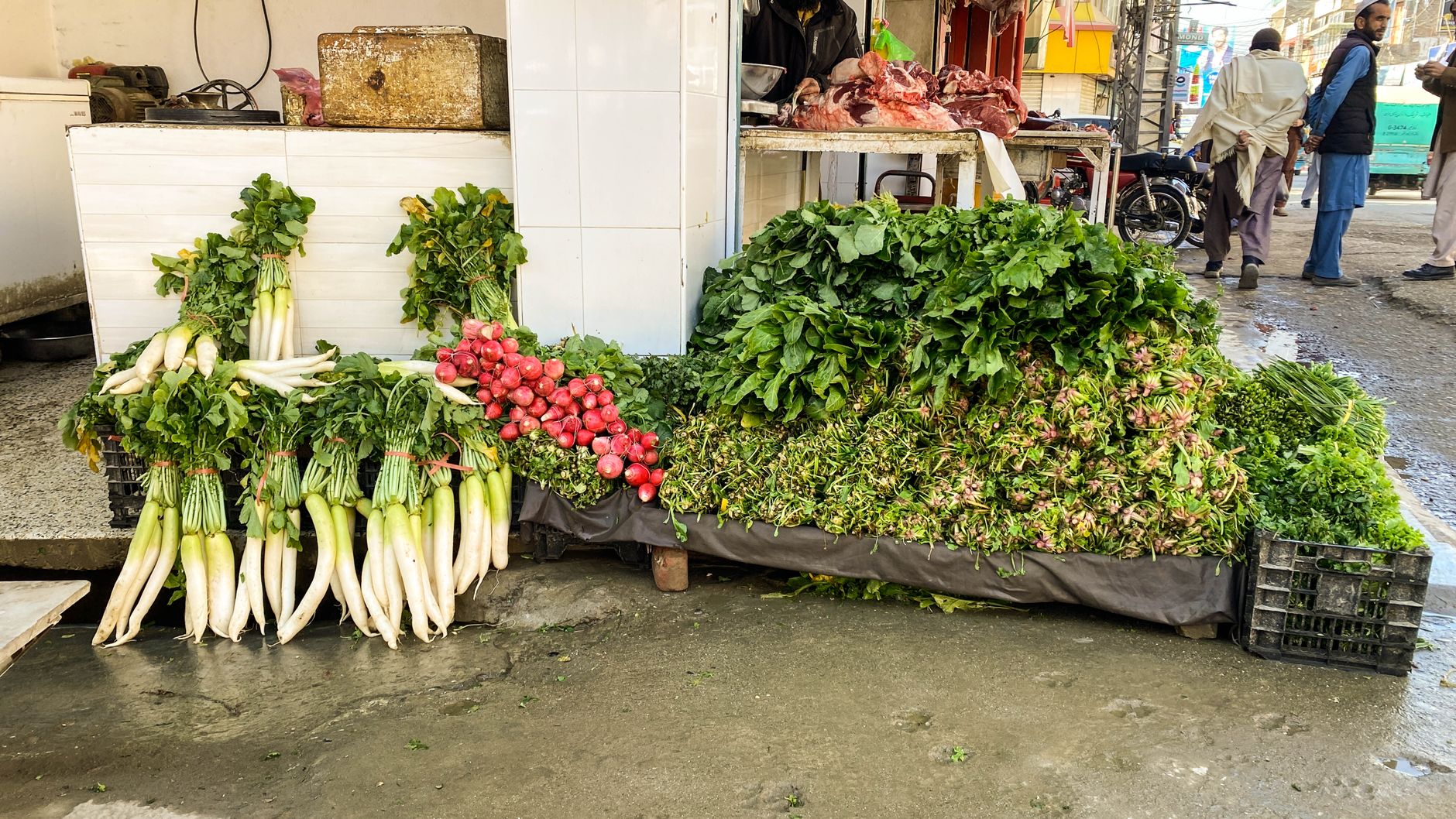
Photo by Amjad ali / Pexels
More than 60% of Pakistan's population cannot afford a healthy diet, according to a new assessment from the UN Food and Agriculture Organization, which flags a deepening nutrition crisis built into the structure of the country's food supply rather than a temporary shortage.
A food system that produces calories, not nutrition
The assessment, titled "Food Supply for Healthy Diets in Pakistan," identifies a disconnect between what the country's farms and markets actually supply and what people need to eat to stay healthy under Pakistan's own national dietary guidelines. Cereals, sugar and edible oil are produced and consumed at levels that far exceed what a healthy diet requires. At the same time, supply of nutrient-dense food groups — vegetables, roots and tubers, fruits, and legumes and pulses — falls well short of recommended levels. The result is a food system that delivers enough calories to feed the population but the wrong mix of them, with a diet dominated by cereals and increasingly by processed sweets and snacks.
The double burden: stunting and obesity at once
That imbalance shows up in Pakistan's health data as a double burden of malnutrition — undernutrition and overnutrition occurring side by side, often within the same households. Forty percent of children under five are stunted, a marker of chronic undernutrition in early childhood with lasting effects on cognitive development and long-term health. At the same time, 40% of adults are classified as obese, and anaemia affects 41% of women, reflecting diets that are calorie-sufficient but nutritionally poor. We've previously covered how Pakistan's maternal health system already struggles to reach the women most exposed to these overlapping deficits.
The world's highest diabetes burden
The clearest downstream consequence is diabetes. Pakistan has the highest prevalence of adult diabetes in the world, with an estimated 34.5 million people living with the condition — a prevalence rate FAO and partner health estimates put between 26.7% and 30.8% of adults. Diet-related non-communicable diseases including diabetes, hypertension and cardiovascular disease are rising in tandem with obesity, placing additional strain on a public health system already managing recurring outbreaks of dengue, malaria and mpox across different provinces this year.
Why affordability, not just availability, is the problem
The FAO's affordability finding is the sharpest number in the report: more than six in ten Pakistanis cannot afford the diversified diet the country's own guidelines recommend. That is not simply a function of food being scarce — cereals, sugar and oil are abundant and cheap relative to fruit, vegetables and pulses, which pushes lower-income households toward the least nutritious options available even when they are trying to eat well. The finding lands against a backdrop of households already squeezed by the headline inflation figures the Pakistan Bureau of Statistics reported for September, and by the broader cost-of-living pressure that has pushed many families to cut back on food quality before they cut back on food quantity. Economic strain documented in a recent graduate unemployment survey points to the same underlying squeeze on household budgets that makes a diversified diet a harder sell than a cheap one.
What the FAO wants Pakistan to do
The report's policy recommendations target both the supply side and the affordability side of the problem. On supply, it calls for updated national dietary guidelines and stronger nutrition education so food policy and agricultural incentives align with what people actually need to eat, rather than defaulting to cereal, sugar and oil production because that is what the system is built around. On affordability and demand, it recommends taxing sugar-sweetened beverages and foods high in sugar, salt and unhealthy fats, introducing front-of-pack nutrition labelling so consumers can see what they are buying, tightening restrictions on marketing unhealthy food to children, and expanding nutritious school meal programmes and social protection schemes to help poorer households afford fruit, vegetables and pulses rather than defaulting to cheaper, less nutritious staples.
None of these measures are quick fixes. A sugar tax or a labelling rule changes incentives at the margin; it does not by itself make fruit and pulses as cheap as wheat and sugar for a household living on a fixed budget. The FAO's own framing treats this as a multi-year structural shift in what Pakistan's food system is built to produce — one that will need to move in step with the social protection and school meal spending the report says has to expand alongside it.
Build Better Pakistan's Health Desk covers nutrition, disease outbreaks and public health policy and will track how the federal and provincial governments respond to the FAO's recommendations.
This article is part of our Health coverage — Public health systems, maternal care and health equity.
Frequently Asked Questions
- What did the FAO assessment actually find?
- The FAO's "Food Supply for Healthy Diets in Pakistan" assessment found a structural mismatch between what Pakistan's food system produces and what national dietary guidelines say people should eat. Cereals, sugar and edible oil are supplied far above the levels needed for a healthy diet, while vegetables, roots and tubers, fruits, and legumes and pulses fall well short. More than 60% of Pakistanis cannot afford a healthy diet at all, and the country carries a double burden of malnutrition: 40% of children under five are stunted and 40% of adults are obese, alongside anaemia in 41% of women.
- What is the FAO recommending Pakistan do about it?
- The FAO's recommendations include updating Pakistan's national dietary guidelines, strengthening nutrition education, taxing sugar-sweetened beverages and foods high in sugar, salt and unhealthy fats, introducing front-of-pack nutrition labelling, tightening restrictions on marketing unhealthy food to children, and expanding nutritious school meal programmes and social protection schemes so poorer households can actually afford the diversified diet the guidelines call for.
Related Reading
Unidentified Fever Kills Seven, Six of Them Children, in Lower Dir's Adenzai Villages
Seven people have died over two weeks in the mountain villages of Adenzai tehsil, Lower Dir, after a febrile illness with breathing complications spread through Khanpur, Asbanr and nearby settlements — officials say the deaths may not share one cause, and a joint health-livestock team is now investigating a suspected zoonotic source.
BBP Health Desk · October 1, 2026 · 4 min

Rawalpindi Emerges as Punjab's Dengue Hotspot as September Case Count Hits 57
Punjab recorded 57 confirmed dengue cases in September 2026, with Rawalpindi accounting for 22 of them — well ahead of Lahore's 14. The provincial health department says hospitals are stocked and has set up a dedicated 1033 helpline.
BBP Health Desk · September 30, 2026 · 3 min
Pakistan's Fifth Polio Case of 2026 Confirmed in Bannu, Where Security Keeps Blocking Vaccination Teams
A 17-month-old girl in Bannu district has become Pakistan's fifth confirmed wild poliovirus case of 2026, with four of the five cases traced to a single KP division where militant threats have repeatedly halted vaccination campaigns.
BBP Health Desk · September 30, 2026 · 3 min