Pakistan's Inflation Eases to 10.3% in September, Still Double Digits for a Second Month
The Pakistan Bureau of Statistics recorded headline inflation of 10.3% year-on-year in September 2026, down from 11.1% in August — the second straight month in double digits after a brief dip to single digits in July.
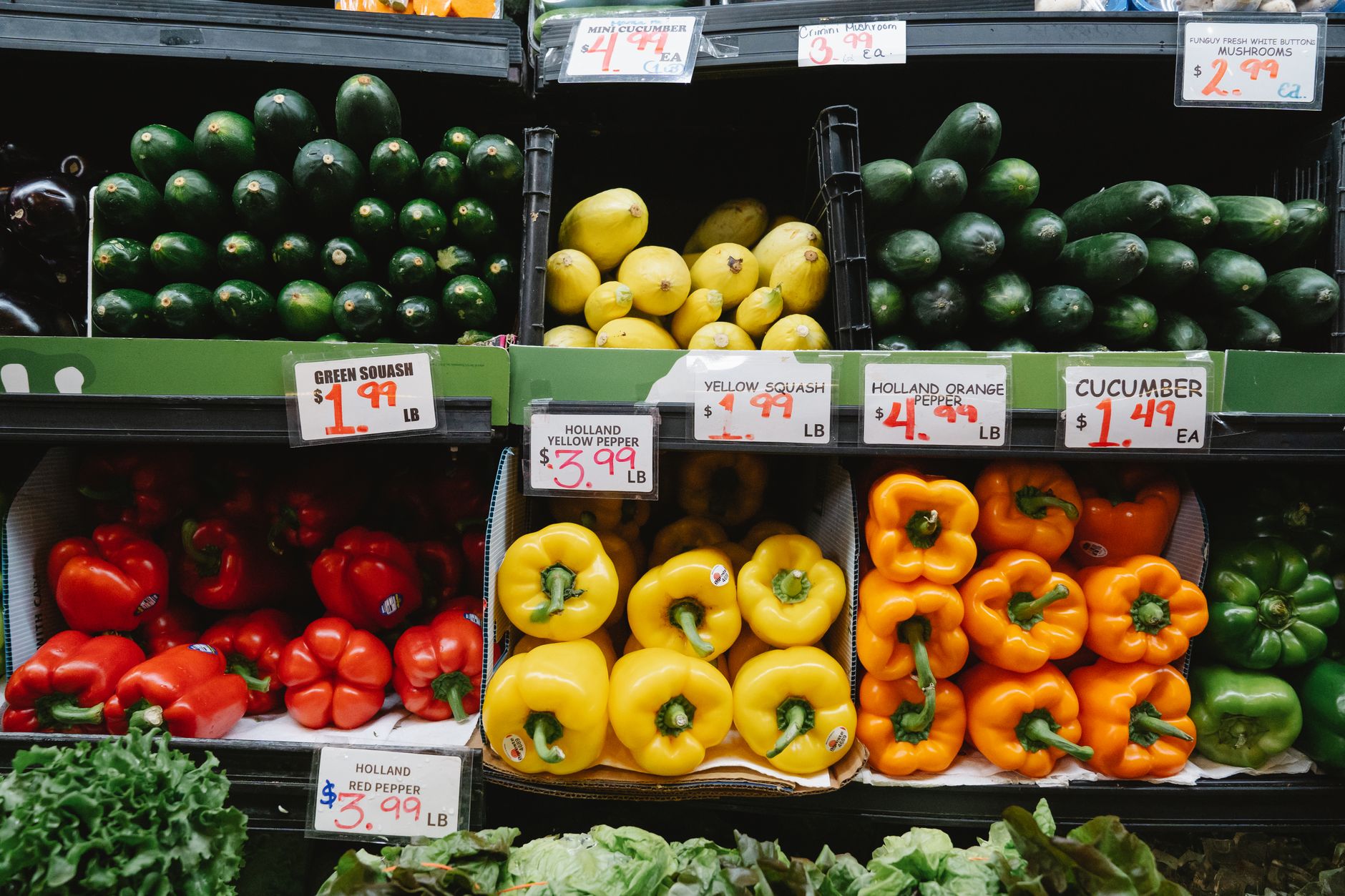
Photo by Greta Hoffman / Pexels
Pakistan's headline inflation eased to 10.3% year-on-year in September 2026, the Pakistan Bureau of Statistics reported on October 1, down from 11.1% in August but still the second consecutive month in double digits.
The numbers
The Consumer Price Index rose 1.3% month-on-month in September, a touch faster than the 1.2% monthly increase recorded in August. Urban inflation came in at 10.1% year-on-year, while rural inflation ran higher at 10.5%, continuing a pattern this year in which rural households have generally faced a steeper cost-of-living climb than urban ones.
The easing from August's 11.1% keeps inflation within the range the government had projected going into the month, but it does not change the broader trend: after dropping to a low of 9.2% in July, inflation returned to double digits in August and has stayed there since.
What's driving the number
Housing and utility costs have been the single biggest contributor to the headline figure for months, with electricity charges doing most of the damage — tariffs have been running tens of percentage points higher year-on-year for much of 2026 as the government works through the energy sector's circular-debt problem rather than absorbing the cost itself. We've covered that dynamic in detail in our explainer on Pakistan's circular debt.
Food inflation, by contrast, has been a comparatively smaller driver in recent months, even as specific items like onions and fresh vegetables have seen sharp price swings. That marks a shift from earlier in the year, when food costs were the dominant story in weekly price data — a pattern we tracked in our coverage of the late-September electricity-driven spike in the weekly inflation gauge.
The policy backdrop
Speaking after the data was released, Prime Minister Shehbaz Sharif called for the government to shift its focus from economic stabilisation toward growth, job creation and export promotion — language that signals Islamabad believes the worst of the post-2023 inflation shock is behind it, even if the headline rate remains well above the central bank's medium-term comfort zone.
That claim will be tested at the State Bank of Pakistan's next Monetary Policy Committee meeting. The SBP has held its policy rate steady through its recent meetings, weighing persistent double-digit inflation against pressure from businesses and the government to cut borrowing costs further and support growth — a balancing act we examined in our coverage of the September rate hold.
Why it matters for households
A headline rate near 10% does not land evenly. Electricity-heavy household budgets are absorbing most of the pain right now, while the relative calm in food prices is giving some relief to lower-income households whose spending is weighted more heavily toward groceries than utility bills. For a broader look at how Pakistan's inflation story has evolved since the acute crisis years, see our explainer on the cost-of-living crisis.
With the first quarter of the new fiscal year now closed, the September reading sets the baseline against which the rest of FY27's inflation trajectory will be measured — and whether the government's call to pivot toward growth holds up will depend largely on whether utility and energy costs, rather than food, keep driving the number for the rest of the year.
Build Better Pakistan's Economy Desk tracks monthly CPI data and its effects on monetary policy and household budgets.
This article is part of our Economy coverage — Inflation, growth, trade and the everyday cost of living across Pakistan.
Frequently Asked Questions
- What was Pakistan's inflation rate in September 2026?
- The Pakistan Bureau of Statistics recorded headline Consumer Price Index (CPI) inflation at 10.3% year-on-year in September 2026, down from 11.1% in August 2026. On a month-on-month basis, prices rose 1.3% in September, slightly faster than August's 1.2% monthly increase.
- Why is inflation still in double digits after easing?
- Inflation briefly fell to single digits — 9.2% — in July 2026 before climbing back above 10% in August and staying there in September. Housing and utility costs, driven in large part by higher electricity charges, have been the main force keeping the headline rate elevated even as month-on-month food price pressure cools.
Related Reading
FBR to Send Survey Teams Into Markets to Map Shops Dodging the POS System
The government has decided to send on-ground teams into Karachi, Lahore and Islamabad to geo-tag shops that are not integrated with the Point of Sale network, after the Tajir Dost Scheme failed to bring traders into the tax net voluntarily.
BBP Economy Desk · October 2, 2026 · 4 min

FBR Sets Up a 'Faceless' Centre to Take Tax Officers Out of Audits
The Federal Board of Revenue has stood up a National Faceless Centre in Islamabad, staffed with 27 officers, to run tax audits and assessments through a computerised, risk-based system rather than direct contact with a local tax official.
BBP Economy Desk · October 2, 2026 · 4 min
FBR Beats Its First-Quarter Tax Target for the First Time in Years
The Federal Board of Revenue collected Rs3,083.5 billion in July-September 2026 against a Rs3,053 billion target, a result that matters directly to Pakistan's IMF program after the same quarter missed its target by Rs198 billion a year earlier.
BBP Economy Desk · October 1, 2026 · 3 min