Weekly Inflation Rises 0.99% as Quarterly Electricity Adjustment Hits Bills
Pakistan's Sensitive Price Indicator rose 0.99% for the week ended September 24, pushing annual inflation on that measure to 11.92%, after a first-quarter electricity adjustment raised the average per-unit rate by nearly a fifth in a single week.
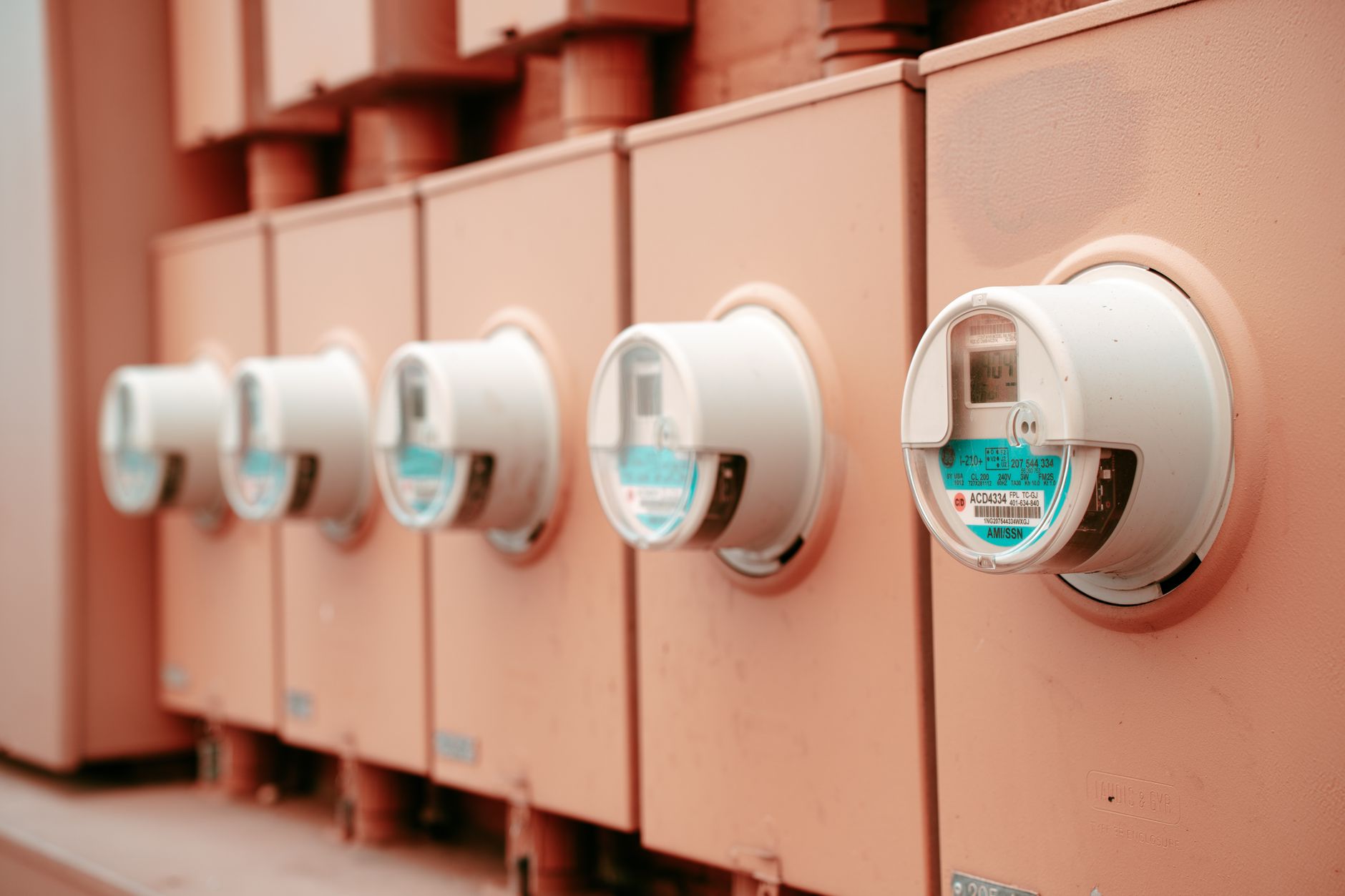
Photo by Connor Scott McManus / Pexels
Pakistan's weekly Sensitive Price Indicator (SPI) rose 0.99% in the week ended September 24, 2026, according to data released by the Pakistan Bureau of Statistics (PBS), with a first-quarter electricity charges adjustment doing most of the damage to household budgets. Annual SPI-based inflation now stands at 11.92%.
What actually moved
The SPI, which tracks prices of 51 essential items bought by lower- and middle-income households, climbed to 369.69 points on its 2015-16 base. Electricity charges for the first quarter recorded the single largest weekly increase of any item PBS tracks: the average rate rose 18.76%, from Rs6.45 to Rs7.66 per unit. Beyond electricity, eggs rose 2.02%, garlic 1.57%, LPG 1.55%, masoor pulse 0.75%, chicken 0.72% and wheat flour 0.11%.
Not everything got more expensive. Tomato prices fell 13.45%, potatoes dropped 8.33%, bananas were down 5.66%, onions fell 2.42%, and both diesel and petrol edged down — 1.57% and 0.34% respectively — tracking the OGRA fuel price cut announced earlier this month. Of the 51 items in the basket, 20 rose in price, 10 fell, and 21 held steady.
Why the electricity line jumped in one week
Pakistani electricity bills move in layers: a base tariff, quarterly adjustments, monthly fuel charge adjustments, and taxes, each set on its own schedule rather than moving together. The 18.76% jump captured in this week's SPI reflects a first-quarter tariff adjustment landing on top of whatever else consumers were already paying — a distinct line item from the monthly fuel charges adjustment CPPA-G has separately asked NEPRA to approve for August generation costs, which we've covered separately. The two mechanisms compound rather than substitute for each other, which is part of why electricity has been one of the most consistent drivers of Pakistan's headline inflation figures through 2026.
How this fits the broader inflation picture
An 11.92% annual SPI reading sits well above the State Bank of Pakistan's own recent trajectory. The central bank held its policy rate at 11.5% for a third straight meeting in September, citing an inflation rebound as one reason not to cut further — a rebound this week's electricity-driven jump is consistent with, if not solely responsible for. SPI is a weekly, narrower basket than the monthly Consumer Price Index the SBP weights more heavily in its own decisions, but the two measures tend to move in the same direction over time, and SPI's faster release makes it the earliest public signal of where CPI is likely headed.
Why the falling items don't cancel out the rising ones
For a household budget, a 13% drop in tomato prices and a nearly 19% jump in electricity charges are not equivalent in scale. Fresh produce prices are volatile week to week and tend to mean-revert; the electricity adjustment is a structural change to the rate a household pays for every unit it consumes going forward, not a one-week blip. That asymmetry is a recurring feature of Pakistan's cost-of-living pressure: the items that fall are usually the ones consumers have the least trouble substituting away from, while the ones that rise — power, fuel, staples — are the hardest to cut back on.
What to watch next
The next SPI release will show whether this week's electricity-driven spike was a one-off adjustment working its way through the data or the start of a steeper climb, particularly once NEPRA rules on CPPA-G's pending fuel charges adjustment request at its September 29 hearing. If that request is approved on top of the quarterly adjustment already reflected this week, October's SPI readings could show electricity's contribution to headline inflation compounding rather than leveling off.
Build Better Pakistan's Economy Desk tracks the Pakistan Bureau of Statistics' weekly price data and its effect on household budgets.
This article is part of our Economy coverage — Inflation, growth, trade and the everyday cost of living across Pakistan.
Frequently Asked Questions
- How much did prices rise in the week ended September 24, 2026?
- The Pakistan Bureau of Statistics' Sensitive Price Indicator (SPI) rose 0.99% week-on-week, taking the index to 369.69 points (base 2015-16=100). On a year-on-year basis, SPI-based inflation reached 11.92%.
- What drove the increase?
- A first-quarter electricity charges adjustment was the single largest mover, raising the average rate to Rs7.66 per unit from Rs6.45 — an 18.76% weekly jump. Eggs rose 2.02%, LPG 1.55%, masoor pulse 0.75%, chicken 0.72% and wheat flour 0.11%. Of the 51 items PBS tracks, 20 rose, 10 fell and 21 were unchanged; tomatoes, potatoes, bananas, onions, diesel and petrol all became cheaper over the week.
Related Reading

Aurangzeb Opens Islamabad Round of IMF Talks, With $1.2 Billion Riding on It
Finance Minister Muhammad Aurangzeb held a virtual kick-off meeting with IMF mission chief Iva Petrova on September 30 to formally open the policy-level round of Pakistan's fourth EFF and third RSF reviews, with roughly $1.2 billion in combined financing on the table if the talks succeed.
BBP Economy Desk · September 30, 2026 · 4 min

Shehbaz Becomes First Pakistani PM to Open London Stock Exchange Trading
Shehbaz Sharif opened a trading session at the London Stock Exchange on September 29 and met executives from JPMorgan, Barclays, Citi, BlackRock and Rothschild & Co, pitching Pakistan as a destination for foreign capital weeks after its $3 billion Eurobond drew almost $6 billion in orders.
BBP Economy Desk · September 29, 2026 · 4 min

10,000 Civil Servants Must Declare Assets by October 30 Under New IMF Benchmark
As the IMF mission opened fourth EFF and third RSF review talks on September 29, Islamabad confirmed that roughly 10,000 federal civil servants must digitally file asset declarations by October 30, with selected details made public by December 31 — but not the full picture.
BBP Economy Desk · September 29, 2026 · 4 min