Pakistan's Maternal Health Gap: Progress, Setbacks and What Comes Next
Maternal mortality has declined over the long term, but Pakistan still lags behind regional peers. Rural access, skilled birth attendance and health financing remain the central challenges.
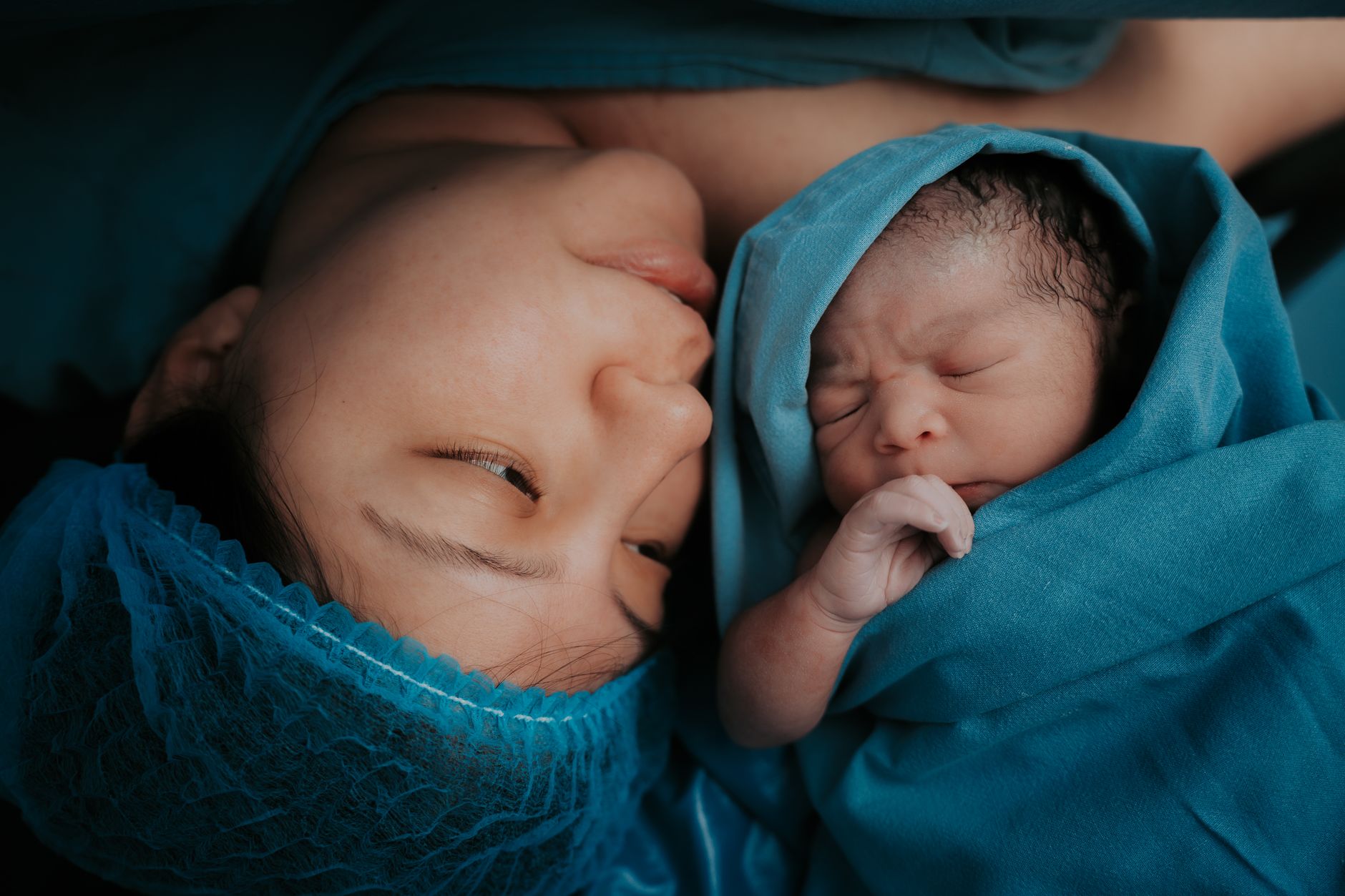
Photo by Saul Siguenza / Pexels
Maternal health outcomes are one of the clearest indicators of how well a health system reaches its most vulnerable populations — and by most available measures, Pakistan continues to lag behind several regional peers, despite meaningful long-term progress.
The scale of the gap
Long-term trends show maternal mortality declining significantly since the 1990s, reflecting real gains in healthcare access and skilled birth attendance nationally. The most recent Pakistan Maternal Mortality Survey put the national maternal mortality ratio (MMR) at 186 deaths per 100,000 live births, continuing a downward trend from earlier surveys — though the pace of improvement has been uneven, and Pakistan's MMR remains higher than in several neighboring countries with comparable or lower per-capita incomes, pointing to health system factors beyond income alone.
Where the gap is widest
Aggregate national figures obscure sharp disparities. Provincial MMR estimates illustrate the gap concretely: Balochistan (298 per 100,000) and Sindh (224) sit far above Punjab (157), Khyber Pakhtunkhwa (165), and Gilgit-Baltistan (157), while Azad Jammu and Kashmir reports the lowest figure nationally at 104 — meaning a woman's odds of surviving childbirth in Pakistan still depend heavily on which province she lives in.
- Rural versus urban access. Skilled birth attendance and access to emergency obstetric care are markedly lower in rural areas, where the nearest functioning facility capable of handling complications may be hours away.
- Provincial disparities. As the figures above show, this isn't a marginal gap — Balochistan's MMR is nearly triple Azad Jammu and Kashmir's, reflecting broader differences in health infrastructure and provider density.
- Socioeconomic disparities. Wealthier, more educated households consistently show better maternal health outcomes, reflecting both better access to antenatal care and greater ability to reach facilities quickly during emergencies.
Structural factors behind the gap
Health policy researchers generally point to a consistent set of underlying issues:
- Health workforce shortages, particularly of skilled birth attendants, midwives and obstetric specialists in rural and remote areas.
- Underinvestment in primary and emergency referral systems, meaning complications that arise during childbirth often can't be managed quickly enough at the local level.
- Low health spending relative to need. Pakistan's public health expenditure as a share of GDP remains low by international comparison, constraining the health system's overall capacity to expand access.
- Limited antenatal care coverage in underserved areas, which reduces early identification of pregnancy complications before they become emergencies.
What's worked, and what could scale further
Several approaches have shown measurable impact where implemented:
- Community midwife and Lady Health Worker programs, which have extended basic maternal health services into areas historically underserved by formal facilities.
- Emergency transport and referral networks, connecting rural communities to functioning emergency obstetric care, have reduced delays that are often the deciding factor in maternal emergencies.
- Conditional health financing programs, including incentives for facility-based deliveries, which have shown positive effects on skilled birth attendance rates in several provinces.
- Telemedicine and mobile health pilots, extending specialist consultation to remote areas, though scale remains limited by connectivity infrastructure.
The path forward
Sustained progress will likely require continued investment in rural health workforce expansion, stronger primary-to-emergency referral pathways, and increased public health financing — paired with the political continuity needed to see multi-year health system investments through, rather than restarting priorities with each change in government.
Build Better Pakistan's Health Desk covers public health access and outcomes across the country.
This article is part of our Health coverage — Public health systems, maternal care and health equity.
Related Reading
Sindh's Mpox Count Climbs to 43 as Karachi Keeps Adding Cases Through September
Sindh's 2026 mpox tally has risen to 43 confirmed cases, with Karachi alone accounting for 15 after two fresh diagnoses in a single week — a slow-burning outbreak that has now run for most of the year without the emergency status that accompanied mpox in 2024.
BBP Health Desk · September 29, 2026 · 4 min
WHO Extends Pakistan's Polio Travel Restrictions By Three Months
The WHO's Polio IHR Emergency Committee has extended international travel restrictions on Pakistan for another three months, citing continued wild poliovirus transmission in Karachi and southern Khyber Pakhtunkhwa — even as the country's confirmed case count for 2026 sits far below prior years.
BBP Health Desk · September 27, 2026 · 3 min

Pakistan Medical Association Calls Nationwide Hospital Strike for September 30 Over FBR Tax Rules
The Pakistan Medical Association says private hospitals and clinics nationwide will shut on September 30 to protest the FBR's reclassification of healthcare as retail sales and its Point of Sale mandate on hospitals.
BBP Health Desk · September 27, 2026 · 3 min