Dengue Cases Explode Across Four Provinces as October Daily Counts Dwarf September's Totals
Punjab, Sindh, Khyber Pakhtunkhwa and Islamabad are all reporting several hundred new dengue cases a day, with three more deaths confirmed — a jump so steep that single-day case counts now exceed what Punjab recorded for the whole of September.
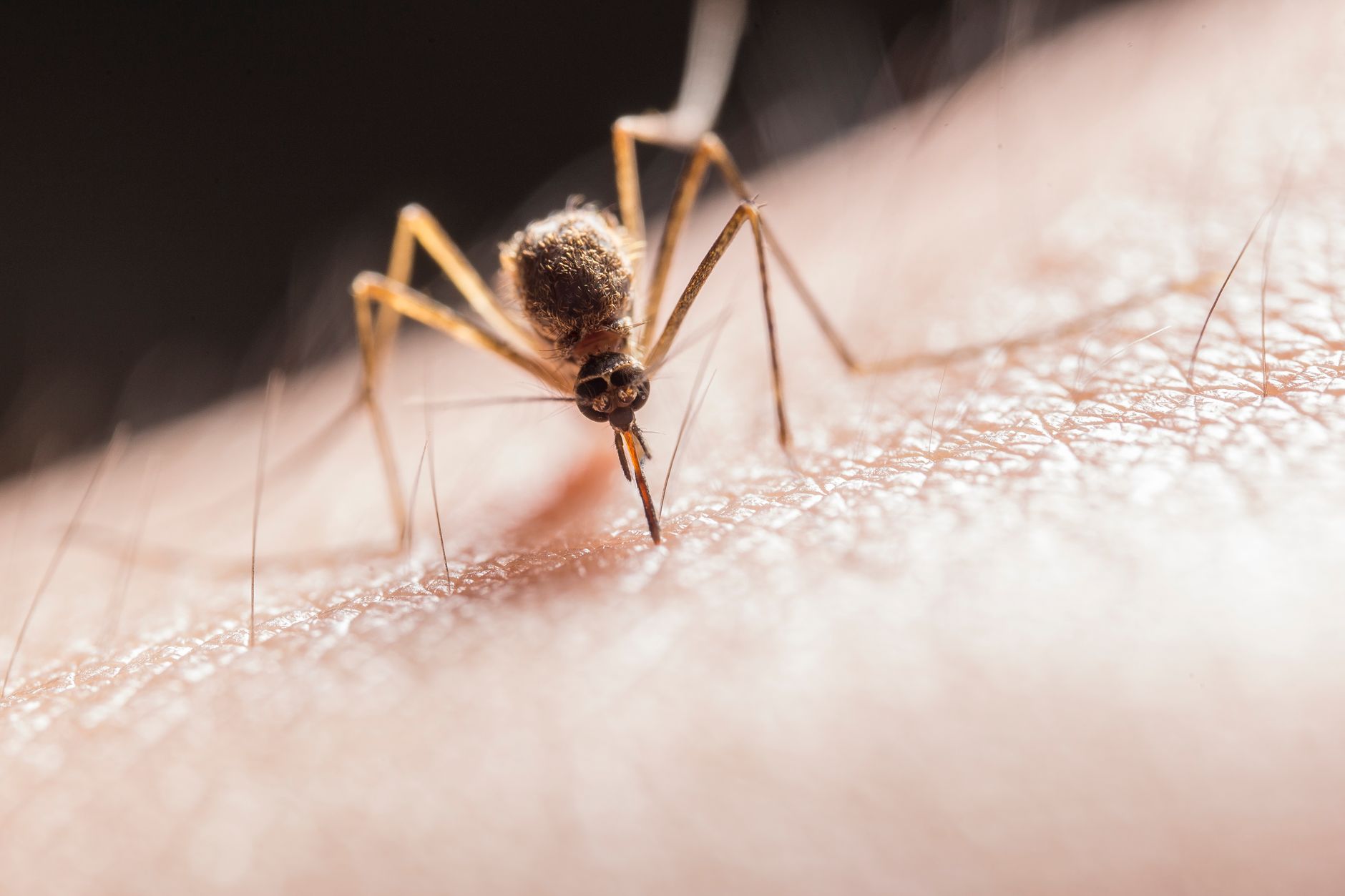
Photo by Jimmy Chan / Pexels
Pakistan's dengue season has gone from a seasonal risk advisory to a four-province emergency in the space of two weeks. Punjab, Sindh, Khyber Pakhtunkhwa and Islamabad are each logging several hundred new infections a day, and the single-day numbers now coming out of provincial health departments dwarf what this desk reported for all of September.
The scale of the jump
In the most recent 24-hour reporting period, Punjab recorded 351 new dengue cases — 100 of them in Rawalpindi and 89 in Lahore. When we covered Punjab's dengue numbers at the end of September, the province's confirmed total for the entire month stood at 57 cases, with Rawalpindi accounting for 22 of those. One day's case count in October is now more than six times September's full-month total.
Sindh reported 337 new infections in the same window, 268 of them in Karachi, pushing the province's October-to-date figure to 2,130 and its full-year tally to 12,284. Khyber Pakhtunkhwa added 328 newly diagnosed cases, bringing its active caseload to 2,539 and its year-to-date total to 11,071. Islamabad, smaller in population than any of the three provinces, still added 123 new cases, lifting its 2026 total to 2,986.
Three more deaths, and a death toll that keeps climbing quietly
Three further deaths were confirmed in the same 24-hour period — one each in Punjab, Sindh and Khyber Pakhtunkhwa — adding to a toll that provincial health departments have reported in a steady trickle rather than a single consolidated national figure. That fragmented reporting is itself part of the problem: with four separate provincial health departments publishing their own daily bulletins on their own schedules, there is no single, continuously updated national case count a citizen can check, only a patchwork that this desk and others have to assemble after the fact.
Why the September forecast undersold it
Our September 20 story flagged the risk factors — a delayed monsoon, higher-than-usual temperatures and urban flooding creating ideal breeding conditions for the Aedes mosquito — but stopped short of predicting case counts, because the data didn't yet support it. Three weeks later, the risk-factor warning has been overtaken by the numbers themselves. Rawalpindi and Lahore, the hotspots flagged in September, remain hotspots, but the outbreak has since broadened to Karachi, Hyderabad and multiple Khyber Pakhtunkhwa districts, including Kohat, which provincial officials have separately designated a high-risk zone.
What's driving it, and what isn't working yet
Public health experts point to the same mechanism every dengue season: standing water left by monsoon rains and urban flooding gives Aedes mosquitoes abundant breeding sites through September and November, and this year's flooding was more extensive than usual in parts of Sindh and Balochistan. Punjab's health department has stood up a dedicated 1033 helpline and says hospitals are stocked for the season, but the case trajectory suggests current larval-control and fumigation efforts in Karachi, Rawalpindi and Peshawar are not yet keeping pace with transmission. None of the four affected administrations has announced a lockdown-style response or school closures over dengue specifically, and officials have so far framed the outbreak as a surge to be managed through hospital capacity rather than a crisis requiring emergency measures.
What to watch
Dengue cases typically peak in October before tapering through November as temperatures drop, so the next two to three weeks of daily case counts will determine whether this stays a severe-but-ordinary post-monsoon season or becomes the worst outbreak in recent years. If Sindh and Khyber Pakhtunkhwa's October case counts keep pace with the first week's trajectory, both provinces are on track to roughly double their current year-to-date totals by the time the season ends.
Build Better Pakistan's Health Desk is tracking provincial dengue bulletins and will update case and death figures as they're confirmed.
This article is part of our Health coverage — Public health systems, maternal care and health equity.
Frequently Asked Questions
- How bad is Pakistan's dengue outbreak this October, compared to September?
- Far worse. Punjab's health department had logged just 57 confirmed cases for the whole of September, concentrated in Rawalpindi and Lahore. In a single 24-hour period in early October, Punjab alone reported 351 new cases — more than six times September's monthly total in one day. Sindh, Khyber Pakhtunkhwa and Islamabad are seeing comparable single-day surges.
- Which cities are worst affected, and how many people have died?
- Karachi (268 new cases in one day, out of Sindh's 337), Rawalpindi (100) and Lahore (89) are the current hotspots. Year-to-date totals stand at roughly 12,284 in Sindh, 11,071 in Khyber Pakhtunkhwa, 8,383 in Punjab and 2,986 in Islamabad. Three more deaths were confirmed in the same 24-hour window, one each in Punjab, Sindh and Khyber Pakhtunkhwa.
Related Reading

Pakistan's Sixth Polio Case of 2026 Breaks Out of Bannu, Turns Up in Khyber District Instead
A seven-year-old boy from Union Council Ghundi-A in Khyber district's Jamrud tehsil is Pakistan's sixth confirmed wild poliovirus case of 2026, the National Emergency Operations Centre said October 5 — the first of this year's cases to come from outside the Bannu division that has produced four of the previous five.
BBP Health Desk · October 5, 2026 · 4 min
FAO: More Than 60% of Pakistanis Can't Afford a Healthy Diet
A new FAO assessment finds Pakistan's food system produces plenty of calories but the wrong mix of them — oversupplying cereals, sugar and edible oil while undersupplying fruit, vegetables and pulses. The result: 40% of children under five are stunted, 40% of adults are obese, and the country has the world's highest adult diabetes burden.
BBP Health Desk · October 1, 2026 · 4 min
Unidentified Fever Kills Seven, Six of Them Children, in Lower Dir's Adenzai Villages
Seven people have died over two weeks in the mountain villages of Adenzai tehsil, Lower Dir, after a febrile illness with breathing complications spread through Khanpur, Asbanr and nearby settlements — officials say the deaths may not share one cause, and a joint health-livestock team is now investigating a suspected zoonotic source.
BBP Health Desk · October 1, 2026 · 4 min