Pakistan's Sixth Polio Case of 2026 Breaks Out of Bannu, Turns Up in Khyber District Instead
A seven-year-old boy from Union Council Ghundi-A in Khyber district's Jamrud tehsil is Pakistan's sixth confirmed wild poliovirus case of 2026, the National Emergency Operations Centre said October 5 — the first of this year's cases to come from outside the Bannu division that has produced four of the previous five.
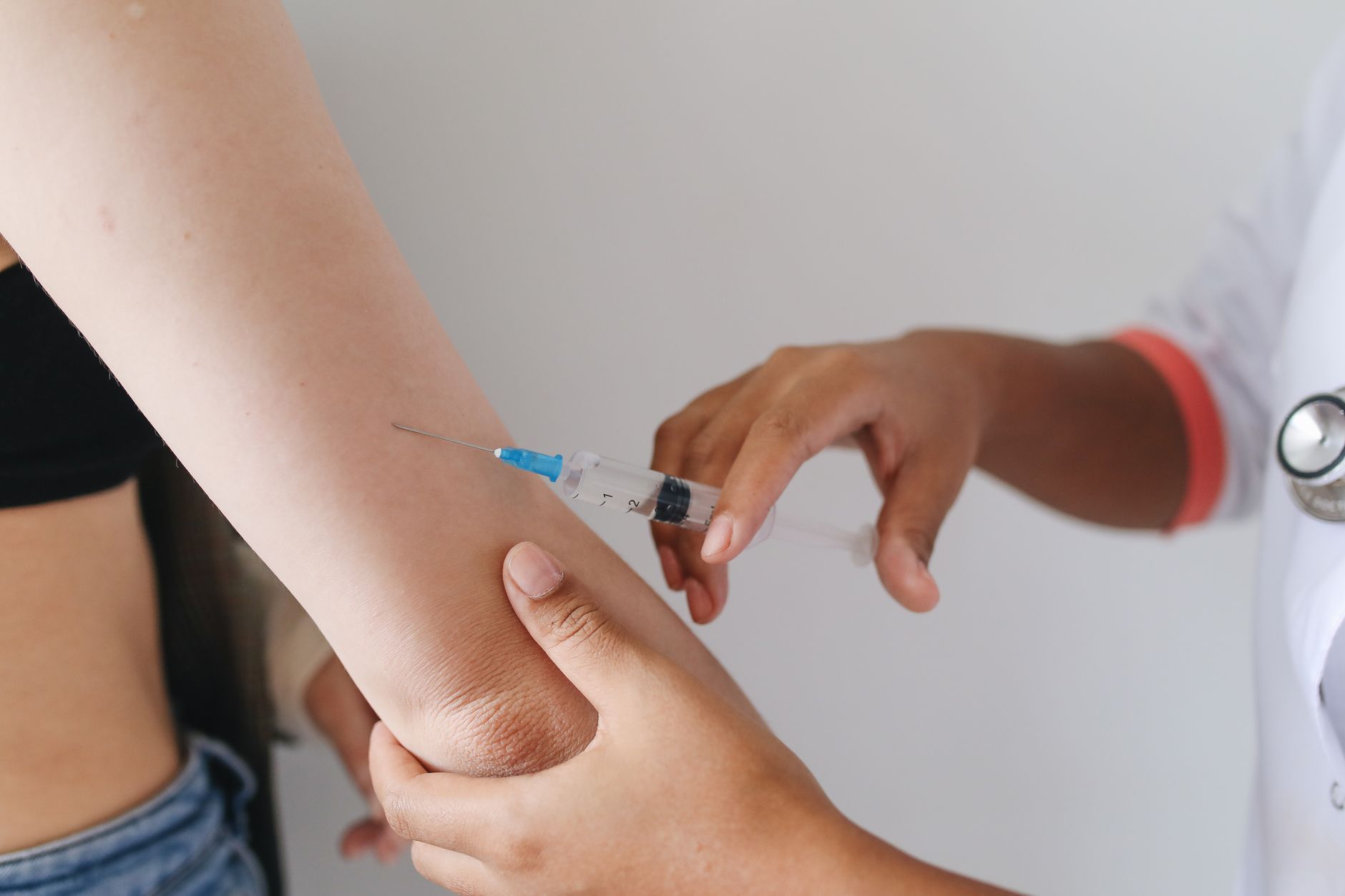
Photo by Polina Tankilevitch / Pexels
Pakistan's sixth confirmed wild poliovirus case of 2026 has turned up somewhere the national eradication programme's recent casework had not prepared it for: not Bannu, but Khyber district, roughly 200 kilometres away in the tribal belt bordering Afghanistan.
The case
The National Emergency Operations Centre for Polio Eradication (NEOC) confirmed on October 5 that a seven-year-old boy from Union Council Ghundi-A in Jamrud tehsil, Khyber district, has tested positive for wild poliovirus type 1 (WPV1). The Pakistan Polio Eradication Initiative has launched what officials describe as a comprehensive case investigation, with additional response measures already being planned, including a supplementary vaccination round administering both oral and injectable vaccines to children above the normal target age, alongside a push to strengthen routine immunisation coverage in the area.
A pattern that just broke
Until this case, 2026's polio count told a geographically narrow story. Pakistan's fifth case, confirmed September 29, was a 17-month-old girl in Bannu district — the fourth case of the year traced to Bannu division specifically, a district where vaccination teams have been repeatedly blocked by militant threats and, in some instances, kidnapped. Five of this year's six cases are now from Khyber Pakhtunkhwa, but only four of those five sit in Bannu division. The sixth case, from Khyber district's Jamrud tehsil, is new territory: a part of the former tribal areas with its own access challenges, but not the specific district officials had been treating as the programme's primary blind spot.
That distinction matters because it changes the diagnosis of the problem. A case count concentrated entirely in one district, however troubling, at least describes a localised failure with a localised cause. A sixth case appearing in a different district, Jamrud, under a different tehsil administration, suggests the transmission risk the WHO's Polio IHR Emergency Committee has been citing in Pakistan's travel-restriction reviews is broader than the Bannu-specific access story the programme has been telling since late September.
How this sits against the WHO's own numbers
The WHO extended Pakistan's international travel restrictions for a further three months on September 27, citing continued WPV1 transmission in Karachi and southern Khyber Pakhtunkhwa and 57 environmental sewage samples that had tested positive nationwide so far this year — against just one confirmed case in Pakistan at the time of that review. The committee's language, pointing to environmental detection rather than diagnosed paralysis as the real driver of its decision, reads differently now that the confirmed case count has moved from one to six within roughly a week, with the newest case landing outside the district the committee's own briefing materials had flagged by name.
What the response looks like now
The NEOC's planned response, a supplementary round using both oral and injectable vaccines for children above the standard target age plus a routine-immunisation push, is the same toolkit Pakistan has used in Bannu, adapted to a district where the obstacle is not necessarily the same one. Khyber district does not carry Bannu's specific recent history of suspended campaigns and kidnapped vaccination workers, which means health officials still need to establish why Jamrud's routine immunisation coverage left a seven-year-old child unprotected against a virus the national programme has pushed close to elimination everywhere else. Pakistan's case count has fallen from 74 in 2024 to single digits in 2026, a genuine success by any historical measure, but each case that appears in a district not already flagged as high-risk adds a data point the programme cannot simply file under "known access gap" and move on from.
What to watch
The investigation into how the virus reached Jamrud, whether through cross-border movement, gaps in routine immunisation records, or an undetected chain of local transmission, will determine whether this stays an isolated sixth case or becomes the first of a second cluster alongside Bannu's. Pakistan's eradication programme has spent 2026 treating Bannu as its hardest problem; Khyber district's case means it may now have two.
Build Better Pakistan's Health Desk tracks Pakistan's polio eradication campaign and will report on the Khyber case investigation as findings are released.
This article is part of our Health coverage — Public health systems, maternal care and health equity.
Frequently Asked Questions
- Where was Pakistan's sixth polio case of 2026 found, and who is affected?
- A seven-year-old boy from Union Council Ghundi-A in Jamrud tehsil, Khyber district, Khyber Pakhtunkhwa, tested positive for wild poliovirus type 1. The National Emergency Operations Centre for Polio Eradication confirmed the case on October 5, 2026, making him the sixth laboratory-confirmed case nationally this year.
- Why does it matter that this case came from Khyber district rather than Bannu?
- Five of Pakistan's six confirmed polio cases in 2026 have come from Khyber Pakhtunkhwa, and four of those five were concentrated in Bannu division, where militant threats have repeatedly disrupted vaccination campaigns. The Khyber case breaks that pattern, showing transmission is not confined to the single security-constrained district the national programme has been focused on.
Related Reading
FAO: More Than 60% of Pakistanis Can't Afford a Healthy Diet
A new FAO assessment finds Pakistan's food system produces plenty of calories but the wrong mix of them — oversupplying cereals, sugar and edible oil while undersupplying fruit, vegetables and pulses. The result: 40% of children under five are stunted, 40% of adults are obese, and the country has the world's highest adult diabetes burden.
BBP Health Desk · October 1, 2026 · 4 min
Unidentified Fever Kills Seven, Six of Them Children, in Lower Dir's Adenzai Villages
Seven people have died over two weeks in the mountain villages of Adenzai tehsil, Lower Dir, after a febrile illness with breathing complications spread through Khanpur, Asbanr and nearby settlements — officials say the deaths may not share one cause, and a joint health-livestock team is now investigating a suspected zoonotic source.
BBP Health Desk · October 1, 2026 · 4 min

Rawalpindi Emerges as Punjab's Dengue Hotspot as September Case Count Hits 57
Punjab recorded 57 confirmed dengue cases in September 2026, with Rawalpindi accounting for 22 of them — well ahead of Lahore's 14. The provincial health department says hospitals are stocked and has set up a dedicated 1033 helpline.
BBP Health Desk · September 30, 2026 · 3 min