UN Chief Guterres Arrives in Pakistan Thursday for Three Days of Talks With Zardari, Shehbaz and Munir
UN Secretary-General António Guterres begins an official visit to Pakistan on October 6, meeting the president, prime minister, foreign minister and army chief, touring the UNMOGIP headquarters and sitting for an NDMA briefing on disaster preparedness — with his second term as UN chief due to end in December.
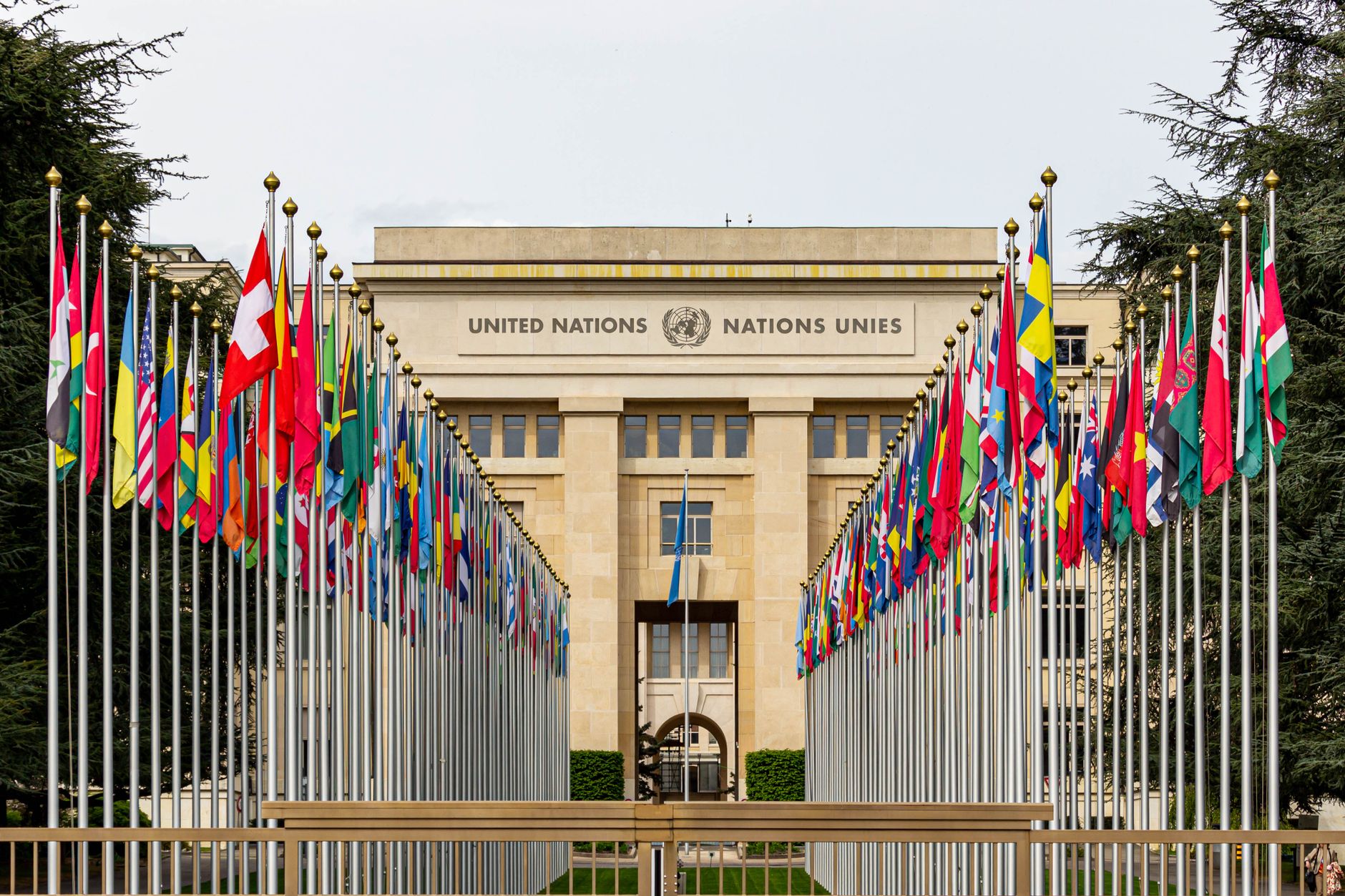
Photo by Hugo Magalhaes / Pexels
UN Secretary-General António Guterres lands in Islamabad on October 6 for a three-day official visit, Pakistan's Foreign Office confirmed, with a schedule built around meetings with the country's top civilian and military leadership and stops at two institutions — one military, one humanitarian — that say as much about the visit's purpose as the headline photo-ops will.
Who he's meeting, and where
Guterres is visiting at the invitation of Deputy Prime Minister and Foreign Minister Ishaq Dar. Over three days he is scheduled to call on President Asif Ali Zardari and Prime Minister Shehbaz Sharif, hold talks with Dar, and meet Chief of Defence Forces and Army Chief Field Marshal Asim Munir — covering, between them, the head of state, the head of government, the country's chief diplomat and its senior military officer in a single trip.
Two other stops fill out the itinerary. Guterres is due at the headquarters of the UN Military Observer Group in India and Pakistan (UNMOGIP), the UN's oldest unarmed peacekeeping mission, which has monitored the ceasefire line in Kashmir since 1949 — a visit that carries its own symbolism given Pakistan's repeated calls at the UN for a Kashmiri plebiscite. He is also scheduled for a briefing at the National Disaster Management Authority on Pakistan's progress on disaster preparedness and early-warning systems, a standing concern for a country that floods on a roughly annual cycle.
A visit timed to a term running out
Guterres is in the second and final year of his second five-year term as Secretary-General, which concludes in December 2026. That timing matters for how this trip is being read in Islamabad: rather than one stop on a long itinerary, it is one of a shrinking number of chances for Pakistan's leadership to make its case directly to the person who will shortly hand the UN's top job to someone else. Pakistan's Foreign Office has framed the visit as an opportunity "to reiterate Pakistan's longstanding cooperation with the United Nations" and to trade views on regional and international developments — diplomatic language that, in practice, usually means Kashmir, Gaza, and whatever crisis is dominating that week's briefing papers.
This year, two crises crowd that agenda more than usual. Pakistan has spent months positioning itself as a mediator in the US-Iran conflict, and separately finds itself absorbing fallout from Saudi Arabia's offensive against the Houthis after sending military equipment to Aden. Both give Guterres more to discuss with Munir and Dar than a ceremonial itinerary would suggest.
The UNMOGIP visit lands in a tense week
The stop at UNMOGIP headquarters is not merely procedural. It comes days after an exchange of fire along the Pakistan-India border in Kasur left two civilians dead, and months after Shehbaz Sharif told the UN General Assembly that diverting Pakistan's share of the Indus waters "will be treated as an act of war" — a dispute that has since broadened into Pakistan's wider warning that India's suspension of the Indus Waters Treaty sets a dangerous global precedent. A UN secretary-general's visit to the body that has monitored the Kashmir ceasefire line for 77 years is unlikely to produce any binding outcome, but it keeps that dispute, and the treaty question underneath it, visible at UN level at a time Islamabad wants it to be.
What to watch
None of the public schedule suggests Guterres arrives with leverage to resolve any of this — secretaries-general rarely do. The more realistic test is narrower: whether the visit produces anything beyond the standard joint statement on multilateralism, whether UNMOGIP's role gets any fresh mention amid the current India-Pakistan tension, and whether the NDMA briefing translates into concrete UN support before the next monsoon season rather than after it. Guterres's own record offers a precedent worth measuring against — his 2022 visit to Pakistan's flood-hit areas produced international attention but a relief effort that donors widely judged fell short of what was pledged. Whether this October visit, coming as his tenure winds down, fares any better in turning words into financing is the question Islamabad will be watching for once the delegation leaves on October 8.
Build Better Pakistan's Politics Desk is covering the Secretary-General's visit and will report on the outcomes of each leg as they're announced.
This article is part of our Politics & Governance coverage — Institutions, local government and how power actually gets exercised.
Frequently Asked Questions
- When is UN Secretary-General Guterres visiting Pakistan, and who is he meeting?
- António Guterres arrives on October 6 for a three-day visit running through October 8, at the invitation of Deputy Prime Minister and Foreign Minister Ishaq Dar. His itinerary includes meetings with President Asif Ali Zardari, Prime Minister Shehbaz Sharif, Dar himself, and Chief of Defence Forces and Army Chief Field Marshal Asim Munir, plus a visit to the headquarters of the UN Military Observer Group in India and Pakistan (UNMOGIP) and a briefing at the National Disaster Management Authority.
- Why does this visit matter more than a routine diplomatic trip?
- Guterres's second five-year term as Secretary-General is due to end in December 2026, making this one of his last opportunities to engage Pakistan's leadership directly from UN headquarters rather than through envoys. The agenda — UNMOGIP, disaster preparedness, and what Pakistan's Foreign Office calls an exchange of views on regional and international developments — lands at a moment when Pakistan is simultaneously mediating the US-Iran de-escalation, absorbing a Houthi-Saudi conflict next door, and managing a domestic standoff between the federal government and PTI.
Related Reading

PTI's Long March Has a Five-Day Route Now — Karak, Kohat, Peshawar, Charsadda, Then Islamabad
KP Chief Minister Sohail Afridi has laid out a day-by-day schedule for PTI's long march, which spent its first night near Karak after leaving Lakki Marwat on October 4. The convoy is due in Kohat on October 5, Peshawar on October 7 and Charsadda on October 8, each stop adding fresh marchers before the push toward Islamabad.
BBP Politics Desk · October 5, 2026 · 4 min
Talks Collapse for Good, and PTI's Long March Finally Leaves Lakki Marwat
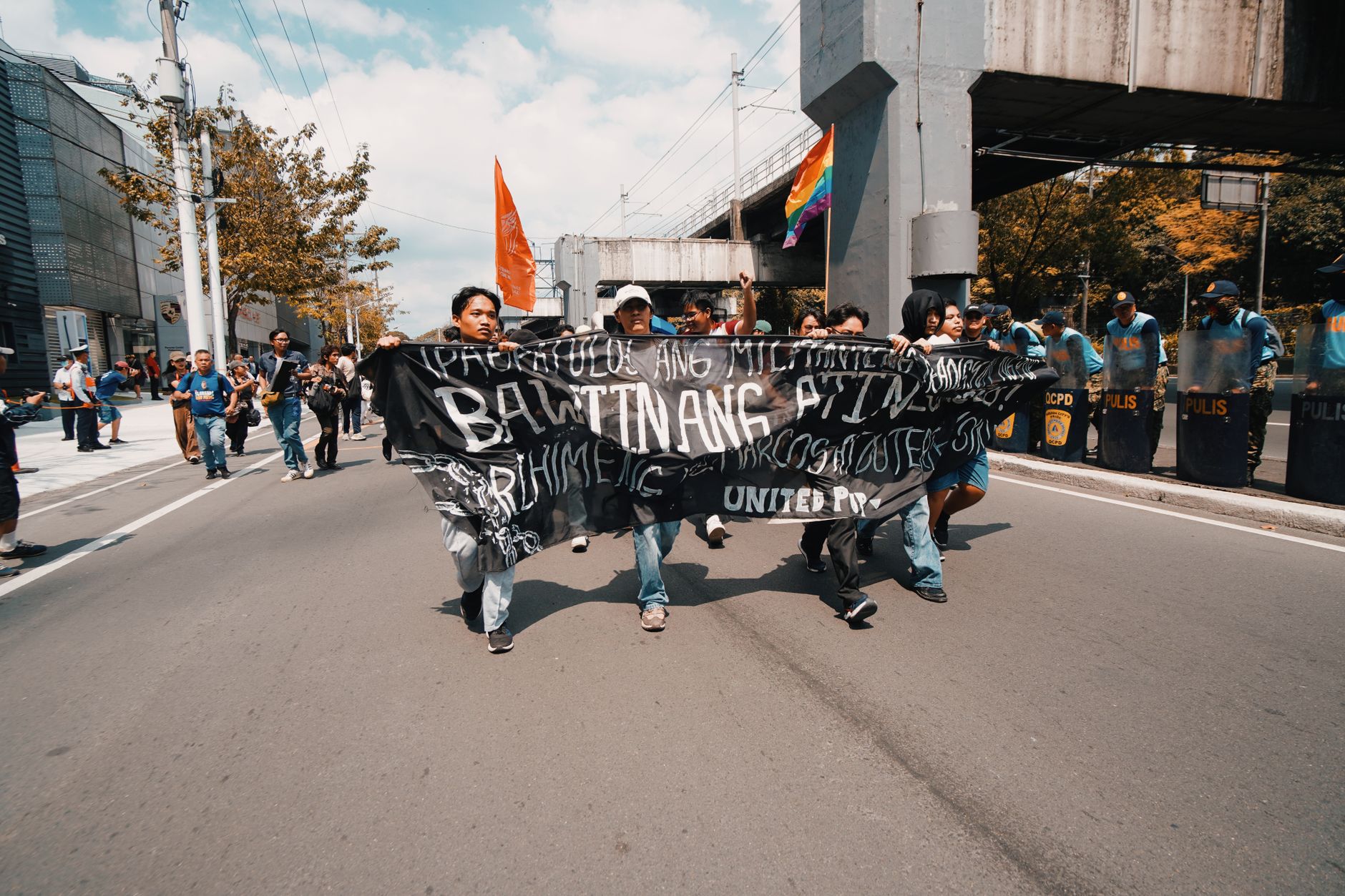
Government-PTI negotiations that reportedly settled 95 percent of their points broke down for good in the early hours of October 4 over Khyber Pakhtunkhwa's refusal to commit to counterterrorism cooperation. Hours later, PTI's long march departed Lakki Marwat as Rana Sanaullah warned it would not be allowed into Islamabad.
BBP Politics Desk · October 4, 2026 · 4 min

Second Round of Government-PTI Talks Ends Without a Deal, Hours Before the October 4 March
A second round of talks between the government and PTI ran nearly three hours late and broke up Saturday without an agreement, even as PTI's own core committee discussed pushing back its October 4 march date rather than holding firm on it.
BBP Politics Desk · October 3, 2026 · 3 min