An Islamabad Court Just Indicted This Lawyer Couple for a Third Time in a Year
An anti-terrorism court indicted human rights lawyers Imaan Mazari and Hadi Ali Chattha in a 2024 security-breach case tied to an international cricket team's visit, over defence objections that they hadn't received case documents or met their counsel — the latest case in a year-long sequence that has already included a 17-year PECA sentence and a same-day re-arrest after Supreme Court bail.
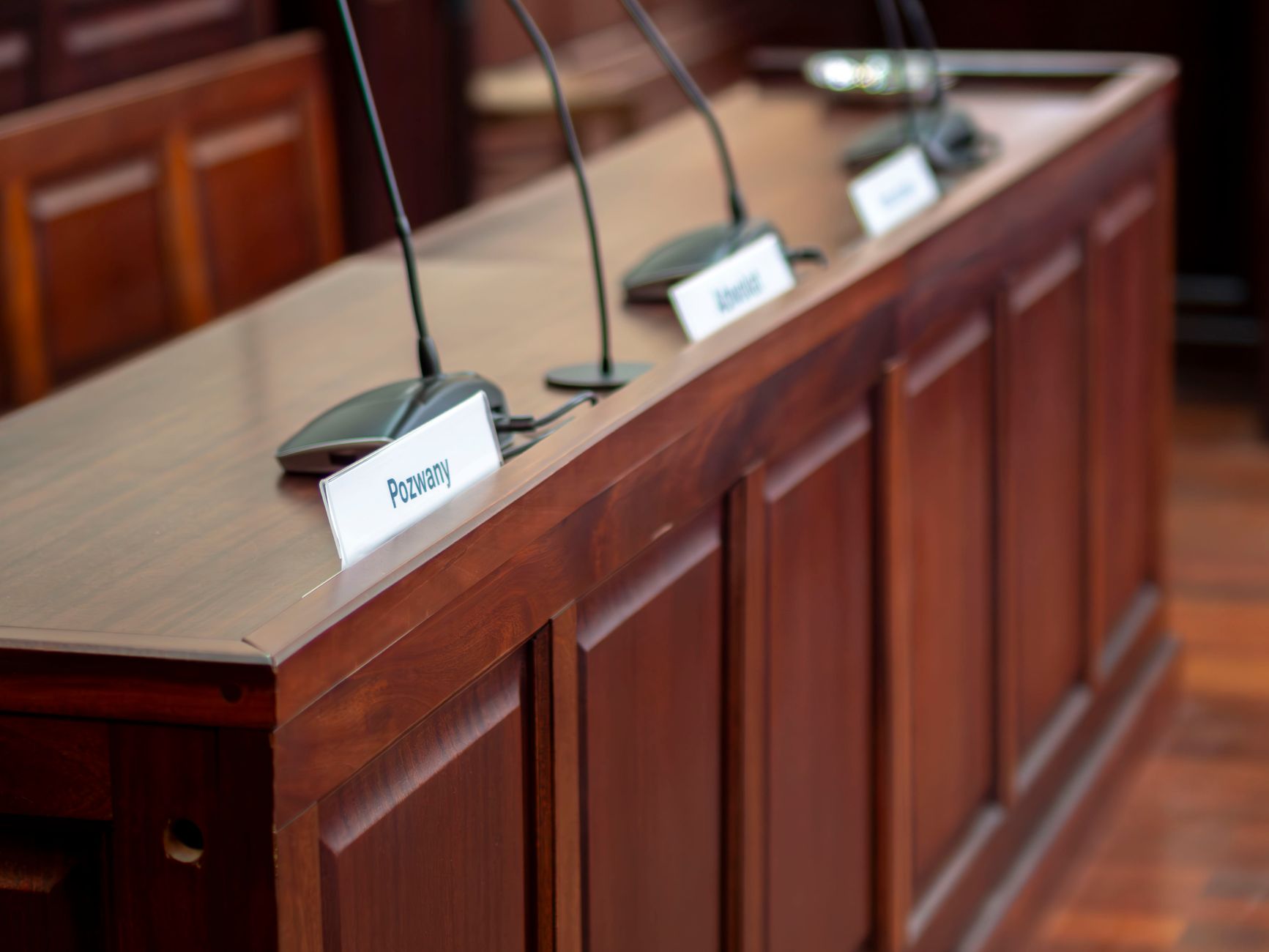
Photo by SHOX ART / Pexels
An Islamabad anti-terrorism court indicted human rights lawyers Imaan Mazari and Hadi Ali Chattha on October 7, 2026, in a case alleging they disrupted security arrangements during an international cricket team's visit two years ago — the latest entry in a sequence of prosecutions against the couple that has run almost continuously since January.
What the court did
Judge Tahir Abbas Sipra indicted the couple, who appeared by video link, in a case registered at Aabpara Police Station over an October 2024 incident tied to the security route for an international cricket team's visit to Islamabad. Reports describe the charges as covering interference with security barriers and incitement to public unrest. Defence counsel Zainab Janjua objected that Chattha had not received the case documents and that the couple had not been allowed to meet their lawyers beforehand. The court proceeded with the indictment anyway. Judge Sipra told the couple they were free to challenge the order if they wished, summoned prosecution witnesses, and adjourned the case to October 9, ordering that Mazari and Chattha be produced in person at the next hearing rather than appearing remotely.
A case that follows a 17-year sentence and a same-day re-arrest
This indictment lands on top of an already extraordinary year for the couple. Mazari has built her legal career on cases involving enforced disappearances, extrajudicial killings and custodial violations, often in Balochistan and Khyber Pakhtunkhwa; Chattha has worked on false blasphemy prosecutions, sexual violence cases and death-row appeals through the Justice Project Pakistan. In January 2026, a sessions court convicted them under the Prevention of Electronic Crimes Act over social media posts and sentenced both to 17 years, finding the posts amounted to glorification of an offense and dissemination of false information. Amnesty International called the prosecution judicial harassment and said the trial was accelerated and unfair. The Supreme Court suspended that sentence on September 17, 2026, and ordered the couple released on bail pending the Islamabad High Court's ruling on their appeal — only for police to re-arrest both of them at Adiala Jail within hours, on a separate, older case tied to a 2025 protest. An anti-terrorism court rejected a request to hold them on 30-day physical remand in that case and sent them to judicial remand instead. The security-breach indictment is now a third active prosecution running in parallel.
Why rights groups are watching the pattern, not just the case
What makes this sequence notable isn't any single charge but its shape: a conviction, a Supreme Court-ordered release, an immediate re-arrest on different charges, and now an indictment in a third case — each one keeping the couple in the criminal justice system without a clean exit point. Rights lawyers in Pakistan have raised this pattern before in other cases as a sign that bail and sentence suspensions can be functionally hollowed out if police or prosecutors simply open the next case the moment one closes. Quetta lawyer Jalila Haider's 2026 Right Livelihood Award was given partly in recognition of lawyers in Pakistan who keep taking rights cases despite exactly this kind of pressure, and Balochistan Yakjehti Committee leader Gulzadi Baloch's life sentence last month drew similar criticism from rights groups over the use of serious charges against activists. Mazari and Chattha's case differs in that both are practicing lawyers rather than political organizers, and the charges run through ordinary criminal courts rather than military or special tribunals — but the cumulative effect rights groups point to is the same: prosecutions that outlast any single court's attempt to resolve them.
What happens next
The case returns to court on October 9, when Mazari and Chattha are required to appear in person rather than by video link, and prosecution witnesses are due to be examined. That hearing, plus whatever the Islamabad High Court eventually rules on the suspended 17-year PECA sentence, are the two tracks most likely to determine whether the couple's legal situation actually changes or simply continues rolling from one case into the next.
Build Better Pakistan's Rights Desk is tracking prosecutions against Pakistani human rights lawyers and will follow up after the October 9 hearing.
This article is part of our Rights & Justice coverage — Access to justice, courts and civil rights.
Frequently Asked Questions
- What is Imaan Mazari and Hadi Chattha's latest case about?
- An Islamabad anti-terrorism court indicted human rights lawyers Imaan Mazari and Hadi Ali Chattha in a case registered at Aabpara Police Station alleging they disrupted security arrangements and incited public unrest during an international cricket team's October 2024 visit to Islamabad. The court proceeded with the indictment despite defence objections that the couple had not received case documents or been allowed to meet their lawyers. The judge adjourned the case to October 9 and ordered the couple produced in person.
- What happened to the couple before this case?
- Mazari and Chattha, both rights lawyers, were convicted in January 2026 and sentenced to 17 years under the Prevention of Electronic Crimes Act over social media posts, in a case rights groups including Amnesty International called judicial harassment tied to their work on enforced disappearances and abuses in Balochistan. The Supreme Court suspended that sentence and ordered their release on bail on September 17, 2026, but police re-arrested them within hours at Adiala Jail on a separate, older case before an anti-terrorism court sent them back to judicial remand.
Related Reading

UN Experts Say Pakistan Still Hasn't Responded to Their Warning on Forced Conversion of Minority Girls
Three UN special rapporteurs told a Human Rights Council side event on October 2 that new legislation won't fix forced religious conversion and child marriage of minority girls in Pakistan without enforcement — and a follow-up piece on October 5 says Islamabad still hasn't formally responded.
BBP Rights Desk · October 7, 2026 · 4 min

A Resigned Judge Just Called Out the Federal Constitutional Court by Name. Here's Why.
The Federal Constitutional Court's September 29 ruling that undesirable conduct alone isn't sexual harassment drew sharp criticism from lawyers, and on October 4 retired Justice Syed Mansoor Ali Shah — who quit the Supreme Court in protest when the FCC was created — used a Dawn op-ed to tie the verdict to the court's own legitimacy.
BBP Rights Desk · October 7, 2026 · 5 min

Supreme Court Shuts the Door on Baldia Factory Fire Case, Rejecting Sindh's Review Plea
A three-judge Supreme Court bench dismissed the Sindh government's review petition on October 7, closing off its last avenue to overturn the June acquittal of two MQM workers convicted and then cleared in the 2012 Baldia Town factory fire that killed more than 260 workers.
BBP Rights Desk · October 7, 2026 · 5 min