Supreme Court Shuts the Door on Baldia Factory Fire Case, Rejecting Sindh's Review Plea
A three-judge Supreme Court bench dismissed the Sindh government's review petition on October 7, closing off its last avenue to overturn the June acquittal of two MQM workers convicted and then cleared in the 2012 Baldia Town factory fire that killed more than 260 workers.

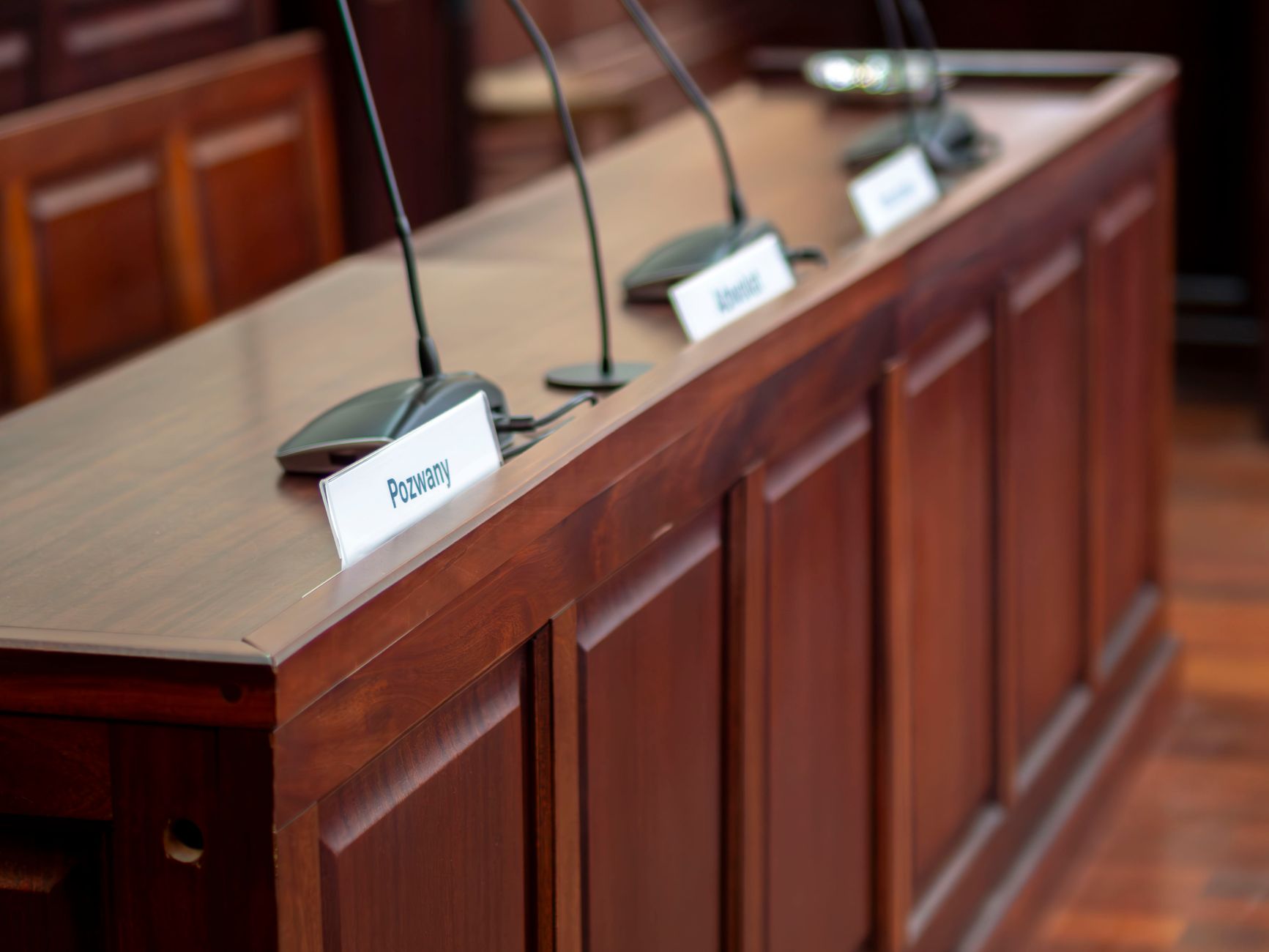
Photo by kaboompics.com / Pexels
A Supreme Court bench dismissed the Sindh government's review petition in the Baldia Town factory fire case on October 7, ending — for now — any judicial route back to the death sentences the court itself set aside four months ago.
What the bench did
The three-member bench, headed by Justice Malik Shehzad Ahmed Khan and joined by Justice Aqeel Ahmed Abbasi and Justice Shakeel Ahmad, heard and rejected the Sindh government's review petition against the Supreme Court's own June 10 judgment. In the same sitting, the bench also dismissed a separate petition seeking to have the June judgment's remarks about the Muttahida Qaumi Movement (MQM) struck out, and reaffirmed its earlier refusal to let the victims' relatives join the case as parties. A detailed order is expected to follow. Days earlier, on October 5, the same court had already rejected a request from the Sindh prosecution for a two-week adjournment, with Justice Shakeel Ahmad telling the prosecution it needed to point to a specific error in the judgment that would justify reopening it.
The case the review couldn't reopen
The review petition challenged the Supreme Court's June 10 acquittal of Abdul Rehman alias Bhola and Zubair alias Chariya, both convicted over the September 11, 2012 fire at the Ali Enterprises garment factory in Karachi's Baldia Town, which killed more than 260 workers in Pakistan's worst industrial disaster. An anti-terrorism court had sentenced both men to death, a verdict the Sindh High Court upheld on appeal. The Supreme Court set those sentences aside in June, ruling that prosecutors had failed to prove their case beyond reasonable doubt — among other gaps, the court noted investigators never produced evidence that chemicals were used to start the fire, and a confessional statement existed for Chariya but not for Bhola.
What Sindh argued, and why it didn't work
The Sindh government's review petition, filed through Prosecutor General Shabbir Shah, argued the June judgment had overlooked eyewitness and medical evidence along with the chemical-ignition evidence, and separately asked whether Article 188 of the Constitution — which governs the Supreme Court's power to review its own judgments — permits review of a verdict the petitioner considers contrary to the facts and the law. It also raised whether the Anti-Terrorism Act allows victims' legal heirs to challenge an acquittal at all. The bench's public order records the dismissal but, as of this writing, not the reasoning; that will only be clear once the detailed order is released. What is clear is that Pakistan's review jurisdiction sets a high bar — a review is not a second appeal, and courts have long required petitioners to show an error apparent on the face of the record rather than simply re-argue the evidence.
Why this closes rather than just pauses the case
A Supreme Court review dismissal is close to the end of the domestic legal road. Pakistan's court hierarchy offers no routine further appeal from a Supreme Court review order, which is why this ruling matters beyond the two individuals named in it: it is less about Bhola and Chariya's guilt or innocence and more about whether Pakistan's anti-terrorism courts, and the evidentiary record they built over more than a decade, can survive Supreme Court scrutiny. That question sits inside a much larger one this desk has tracked before — how slowly, and with what result, cases move through Pakistan's courts, a backlog problem we've reported on in detail.
What families are left with
For the families of the Ali Enterprises victims, Wednesday's dismissal removes the one judicial avenue that remained open after June. Families and labour rights groups had already called the June acquittal a blow to their 13-year pursuit of accountability for a fire that exposed, among other things, locked exit doors and barred windows at the factory — failures of workplace safety enforcement that labour advocates say Pakistan still hasn't meaningfully fixed. Separately, this desk has covered how a different Pakistani court this month ruled on workplace protections, in a Federal Constitutional Court decision on harassment claims that drew criticism from a retired justice, reported here — a reminder that Pakistan's courts are weighing workplace accountability on several fronts at once, with mixed results for the workers those rulings are meant to protect.
What to watch next
The written detailed order, once released, will show whether the bench engaged with Sindh's evidentiary and constitutional arguments or dismissed the petition on narrower procedural grounds — a distinction that matters for whether any future review attempt, in this case or others, has room to proceed. For now, the case that began with the single worst factory disaster in Pakistan's history closes with the two men originally sentenced to die for it walking free, and no one else convicted.
Build Better Pakistan's Rights Desk covers access to justice, labour accountability and the courts shaping who is held responsible in Pakistan.
This article is part of our Rights & Justice coverage — Access to justice, courts and civil rights.
Frequently Asked Questions
- What did the Supreme Court decide on October 7?
- A three-member bench headed by Justice Malik Shehzad Ahmed Khan, with Justice Aqeel Ahmed Abbasi and Justice Shakeel Ahmad, dismissed the Sindh government's review petition against the Supreme Court's June 10 acquittal of Abdul Rehman alias Bhola and Zubair alias Chariya in the Baldia Town factory fire case. The bench also rejected a separate petition seeking removal of the June judgment's remarks about the MQM, and a request to make victims' relatives parties to the case.
- What happened in the original Baldia factory fire, and why were these two men convicted?
- More than 260 workers were burnt alive on September 11, 2012, when fire broke out at the Ali Enterprises garment factory in Karachi's Baldia Town, in what remains Pakistan's deadliest industrial disaster. An anti-terrorism court convicted Bhola and Chariya, both linked to the MQM, and sentenced them to death; the Sindh High Court upheld those sentences before the Supreme Court set them aside in June, ruling the prosecution had not proven its case beyond reasonable doubt.
Related Reading
An Islamabad Court Just Indicted This Lawyer Couple for a Third Time in a Year
An anti-terrorism court indicted human rights lawyers Imaan Mazari and Hadi Ali Chattha in a 2024 security-breach case tied to an international cricket team's visit, over defence objections that they hadn't received case documents or met their counsel — the latest case in a year-long sequence that has already included a 17-year PECA sentence and a same-day re-arrest after Supreme Court bail.
BBP Rights Desk · October 8, 2026 · 4 min

UN Experts Say Pakistan Still Hasn't Responded to Their Warning on Forced Conversion of Minority Girls
Three UN special rapporteurs told a Human Rights Council side event on October 2 that new legislation won't fix forced religious conversion and child marriage of minority girls in Pakistan without enforcement — and a follow-up piece on October 5 says Islamabad still hasn't formally responded.
BBP Rights Desk · October 7, 2026 · 4 min

A Resigned Judge Just Called Out the Federal Constitutional Court by Name. Here's Why.
The Federal Constitutional Court's September 29 ruling that undesirable conduct alone isn't sexual harassment drew sharp criticism from lawyers, and on October 4 retired Justice Syed Mansoor Ali Shah — who quit the Supreme Court in protest when the FCC was created — used a Dawn op-ed to tie the verdict to the court's own legitimacy.
BBP Rights Desk · October 7, 2026 · 5 min