IMF Raises Pakistan's Inflation Forecast to 9.9 Percent for This Fiscal Year
The IMF's October World Economic Outlook keeps Pakistan's FY2026-27 growth forecast at 3.5 percent but raises the inflation projection to 9.9 percent, above both its own earlier estimate and the government's 8.2 percent target.

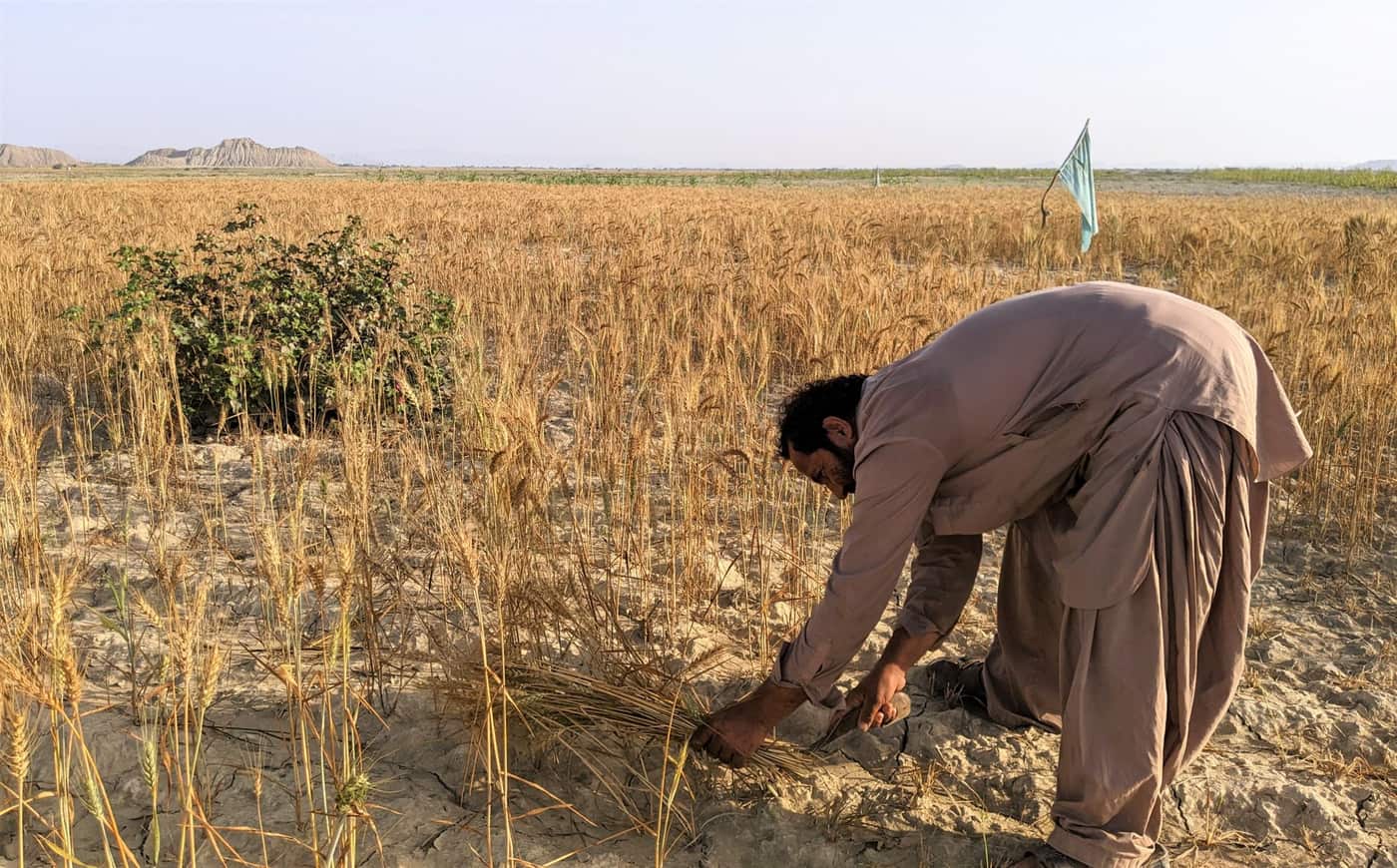
Photo by Hanna Pad / Pexels
The International Monetary Fund raised its inflation forecast for Pakistan's current fiscal year to 9.9 percent, overtaking the government's own 8.2 percent target, in the October edition of its World Economic Outlook released October 13 at the Fund's annual meetings in Bangkok. The Fund left its growth projection for FY2026-27 unchanged at 3.5 percent, half a point below the 4 percent the government has set as its own target.
The inflation figure is a sharp upward revision from the IMF's own April and July outlooks, which had put FY27 inflation at 8.4 percent. The Fund gave no Pakistan-specific reason for the increase. Instead, it raised its regional inflation projections for the Middle East and Central Asia as a group, citing the ongoing conflict in the region and its effect on energy supply and prices. Pakistan imports the large majority of its fuel from Gulf Cooperation Council states, which puts the country's import bill directly in the path of that disruption.
A current account that moves the other way
Beyond growth and prices, the WEO also projects Pakistan's current account balance sliding into a deficit of 1 percent of GDP, roughly $4.4 billion, for FY2027. That marks a reversal from the surplus of 0.5 percent of GDP the Fund recorded for FY2025, and the new deficit figure is itself about $450 million wider than the IMF's previous projection. A current account that swings from surplus to deficit matters beyond the headline number: it is the balance the central bank draws on to defend the rupee and build reserves, which we track separately.
Where the government's own numbers diverge
Pakistan's Finance Division has maintained an 8.2 percent inflation target for the fiscal year, a figure the IMF's new forecast now sits nearly two full points above. The government has not disputed the IMF's growth number outright, but Islamabad has continued to argue externally that the economy can reach 4 percent growth, a full point above what the Fund is willing to project. The gap between the two sets of numbers is not new — the Asian Development Bank put FY27 growth at 3.7 percent in its own September forecast, closer to the IMF's figure than to the government's — but the widening inflation gap is the more consequential divergence this time, given how directly it bears on household budgets and on the State Bank's next policy-rate decision.
What determined the timing
The WEO is published twice a year in full, in April and October, with brief updates in between; this was the full October edition, launched alongside the IMF-World Bank annual meetings. "The global economy has been resilient, but that resilience is under strain with risks tilted to the downside," the IMF's chief economist, Silvana Tenreyro, said at the report's launch, a caution the Fund applied globally rather than to Pakistan specifically. Pakistan's own figures arrived embedded in a WEO that projects world growth of 3.1 percent in 2026, rising to 3.4 percent in 2027.
What to watch next
The State Bank of Pakistan's monetary policy committee is scheduled to meet on October 26, its first rate decision since the IMF's revised inflation forecast became public. The central bank has held its policy rate steady through its last several meetings; a forecast showing inflation running further above target than previously expected is the kind of signal that monetary policy committees are built to respond to, though the SBP has given no indication yet of how it will read the IMF's number against its own. The Fund's own in-depth assessment of Pakistan's program compliance, meanwhile, will not surface until its executive board takes up the fourth EFF and third RSF review, tentatively expected in late November.
Build Better Pakistan's Economy Desk is tracking the IMF's growth and inflation forecasts and will follow up after the State Bank's October 26 policy meeting.
This article is part of our Economy coverage — Inflation, growth, trade and the everyday cost of living across Pakistan.
Frequently Asked Questions
- What did the IMF forecast for Pakistan's growth and inflation this year?
- In its October 2026 World Economic Outlook, released October 13 at the Fund's annual meetings in Bangkok, the IMF projected Pakistan's FY2026-27 GDP growth at 3.5 percent, unchanged from its earlier estimate, and raised its inflation forecast to 9.9 percent, up from the 8.4 percent it had projected since April.
- How do the IMF's numbers compare with the government's own targets?
- The IMF's 3.5 percent growth forecast is half a percentage point below the government's 4 percent target, and its 9.9 percent inflation forecast is 1.7 points above the government's 8.2 percent target. The Fund also projects a current account deficit of 1 percent of GDP, about $4.4 billion, reversing a surplus of 0.5 percent of GDP in FY2025.
Trending Now
- 01
Armed Men Abduct 18 Marble Mine Workers in Balochistan's Khuzdar
October 19, 2026
- 02
Car Loans Hit Rs407 Billion in September, a 22nd Straight Monthly Rise
October 18, 2026
- 03
LPG Cylinders Sell at Rs5,000, Almost 52pc Above Official Rate, as Government Flags Hoarding
October 18, 2026
- 04
One in Three Adults in Pakistan Has a Mental Disorder, First National Survey Finds
October 18, 2026
- 05
Pakistan Suspends Iran Border Trade, Stranding LPG and Rice Cargo
October 18, 2026
Weekly Briefing
The week's most important stories on Pakistan's biggest challenges, in your inbox.
Related Reading

Car Loans Hit Rs407 Billion in September, a 22nd Straight Monthly Rise
Outstanding car loans rose to Rs407 billion in September, the 22nd consecutive monthly increase, even as new car sales from assemblers fell 12 percent year-on-year, State Bank of Pakistan data show.
BBP Economy Desk · October 18, 2026 · 3 min

Pakistan Suspends Iran Border Trade, Stranding LPG and Rice Cargo
The Commerce Ministry withdrew an import waiver and Taftan's immigration gate was shut on Saturday, halting commercial trade with Iran and leaving freight loaded with LPG, rice and fresh produce stuck at the border.
BBP Economy Desk · October 18, 2026 · 4 min
Farmers Demonstrate Nationwide for a Guaranteed Rs5,000 Wheat Price
Small farmers under the Pakistan Kissan Rabta Committee held demonstrations across the country demanding a guaranteed wheat support price of Rs5,000 per maund, an end to private wheat procurement, and a halt to corporate farming.
BBP Economy Desk · October 18, 2026 · 4 min