One in Three Adults in Pakistan Has a Mental Disorder, First National Survey Finds
Pakistan's first nationally representative psychiatric survey, covering nearly 18,000 adults, found 32 percent currently living with a mental or behavioural disorder, published days after the government launched its first National Mental Health Policy.

Photo by Do Huy / Pexels
Nearly one in three adults in Pakistan is currently living with a diagnosable mental or behavioural disorder, according to findings from the country's first nationally representative psychiatric survey, reported by Dawn.
The survey was carried out by the Pakistan Psychiatric Society in collaboration with Hamdard University in Karachi, Brighton and Sussex Medical School in the UK, the University of South Florida in the US, and psychiatric institutions across Pakistan. Researchers interviewed nearly 18,000 adults in all four provinces between 2018 and 2022, using internationally standardised diagnostic tools, with the Pakistan Bureau of Statistics identifying the survey areas and sample.
The numbers behind the headline figure
The survey put the current prevalence of any psychiatric disorder at 32 percent and the lifetime prevalence at 38 percent. One in five adults met the criteria for post-traumatic stress disorder, and more than one in ten had depression. Six percent of respondents reported suicidal thoughts in the month before they were interviewed. Prof Raza-ur-Rahman of Hamdard University, the study's lead investigator, led the analysis alongside Prof Anjum Memon, Chair in Epidemiology and Public Health Medicine at Brighton and Sussex Medical School, who is a senior co-author. Prof Wajid Akhundzada, president of the Pakistan Psychiatric Society, was also involved in the project.
Rates were higher among older adults, people with lower education and income, the unemployed, and those who were widowed, divorced or separated — a distribution that tracks with patterns documented in other countries, though the scale of Pakistan's data set, drawn from all four provinces rather than a single city or clinic sample, is what researchers are calling the most reliable national estimate to date.
A system built for a fraction of the need
The survey's findings arrive against a backdrop the government itself has already quantified. The World Health Organization estimates that 32.4 million people in Pakistan need mental healthcare, while only about 5 percent of the population can access services, according to the Associated Press of Pakistan's report on the launch of a new national policy. Pakistan has roughly 0.19 psychiatrists for every 100,000 people, compared with an average of seven per 100,000 across high-income countries.
A new national policy, days before the survey's findings landed
The findings follow closely on the government's launch of the National Mental Health Policy 2026-2035, unveiled October 1 at the Pakistan Global Mental Health Summit in Islamabad. Federal Health Minister Syed Mustafa Kamal called mental health "an emergency" and tied it directly to the economy, while Minister of State for Health Dr Malik Mukhtar Ahmad Bharath said the policy reflects "a shared commitment to bringing mental healthcare closer to families." WHO Director-General Dr Tedros Adhanom Ghebreyesus told the summit that mental health spending returns about four dollars for every dollar invested in treating conditions like depression and anxiety, and UNICEF's Pakistan representative, Pernille Ironside, pressed for more focus on prevention and access for children and adolescents.
The policy, developed with WHO, UNICEF and the Global Institute of Human Development at Shifa Tameer-e-Millat University, sets out primary and community-based care, prevention and early identification, workforce training, youth-focused support and climate-related mental health response as its main pillars, while leaving implementation to the provinces.
Smaller steps already under way
Separately, the Pakistan Medical and Dental Council has ordered annual mental health screening for medical and dental students, faculty and staff, a narrower measure announced earlier this month that reflects the same concern now showing up at national scale in the survey data. Both moves point to a system starting from a low base: a 95 percent treatment gap that a new policy framework alone will not close without the workforce and funding to back it.
What to watch
The policy sets a ten-year horizon, but it does not yet carry a published budget or provincial implementation timeline. Whether provinces move to expand community-based services, and whether the workforce shortfall narrows from its current 0.19 psychiatrists per 100,000 people, will be the measures that show whether this month's announcements translate into care reaching the roughly 95 percent of people in need who currently go without it.
Build Better Pakistan's Health Desk is tracking the rollout of Pakistan's National Mental Health Policy and will follow up as provinces detail implementation plans.
This article is part of our Health coverage — Public health systems, maternal care and health equity.
Frequently Asked Questions
- What did Pakistan's first national mental health survey find?
- Researchers from the Pakistan Psychiatric Society, working with Hamdard University, Brighton and Sussex Medical School and the University of South Florida, surveyed nearly 18,000 adults across all four provinces between 2018 and 2022. They found 32 percent currently had a diagnosable mental or behavioural disorder and 38 percent had experienced one at some point in their life. One in five met the criteria for PTSD, more than one in ten had depression, and 6 percent reported suicidal thoughts in the previous month.
- Is Pakistan's healthcare system equipped to respond to these numbers?
- Not yet, by the government's own estimate. The World Health Organization puts the number of people in Pakistan needing mental healthcare at 32.4 million, with only about 5 percent able to access services. The country has roughly 0.19 psychiatrists per 100,000 people, against an average of seven per 100,000 in high-income countries. The government launched a National Mental Health Policy 2026-2035 on October 1 aimed at closing that gap.
Trending Now
- 01
LPG Cylinders Sell at Rs5,000, Almost 52pc Above Official Rate, as Government Flags Hoarding
October 18, 2026
- 02
Pakistan Suspends Iran Border Trade, Stranding LPG and Rice Cargo
October 18, 2026
- 03
Pakistan Says Afghanistan Talks Cannot Be Unconditional, Demands Verifiable End to Attacks
October 17, 2026
- 04
Petrol Falls Rs3.93 to Rs386.30 a Litre for the Weekend, Diesel Holds Steady
October 17, 2026
- 05
Aurangzeb Says Pakistan Has Enough Energy Through November, With Winter Still to Plan For
October 17, 2026
Weekly Briefing
The week's most important stories on Pakistan's biggest challenges, in your inbox.
Related Reading
Pakistan's Hunger Score Worsens to 25.5 in 2026 Global Hunger Index
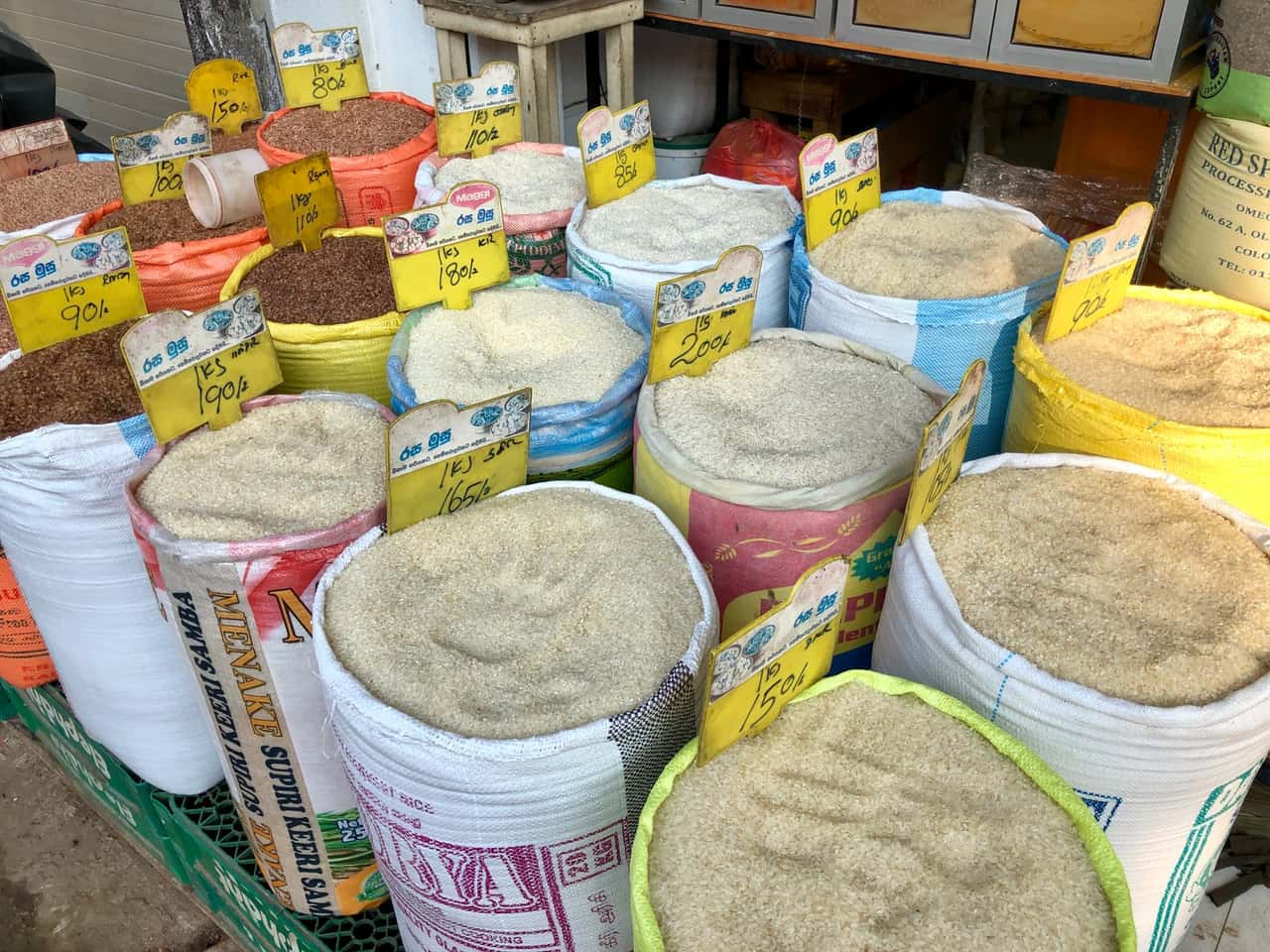
Pakistan's score on the 2026 Global Hunger Index rose to 25.5, ranking it 106th of 123 countries in the serious hunger category and worse than India, Bangladesh, Nepal and Sri Lanka, as the index records the first global reversal in hunger levels since 2018.
BBP Health Desk · October 15, 2026 · 4 min
A Quarter of Cancer Patients at Karachi's JPMC Can't Finish Treatment, Doctors Say
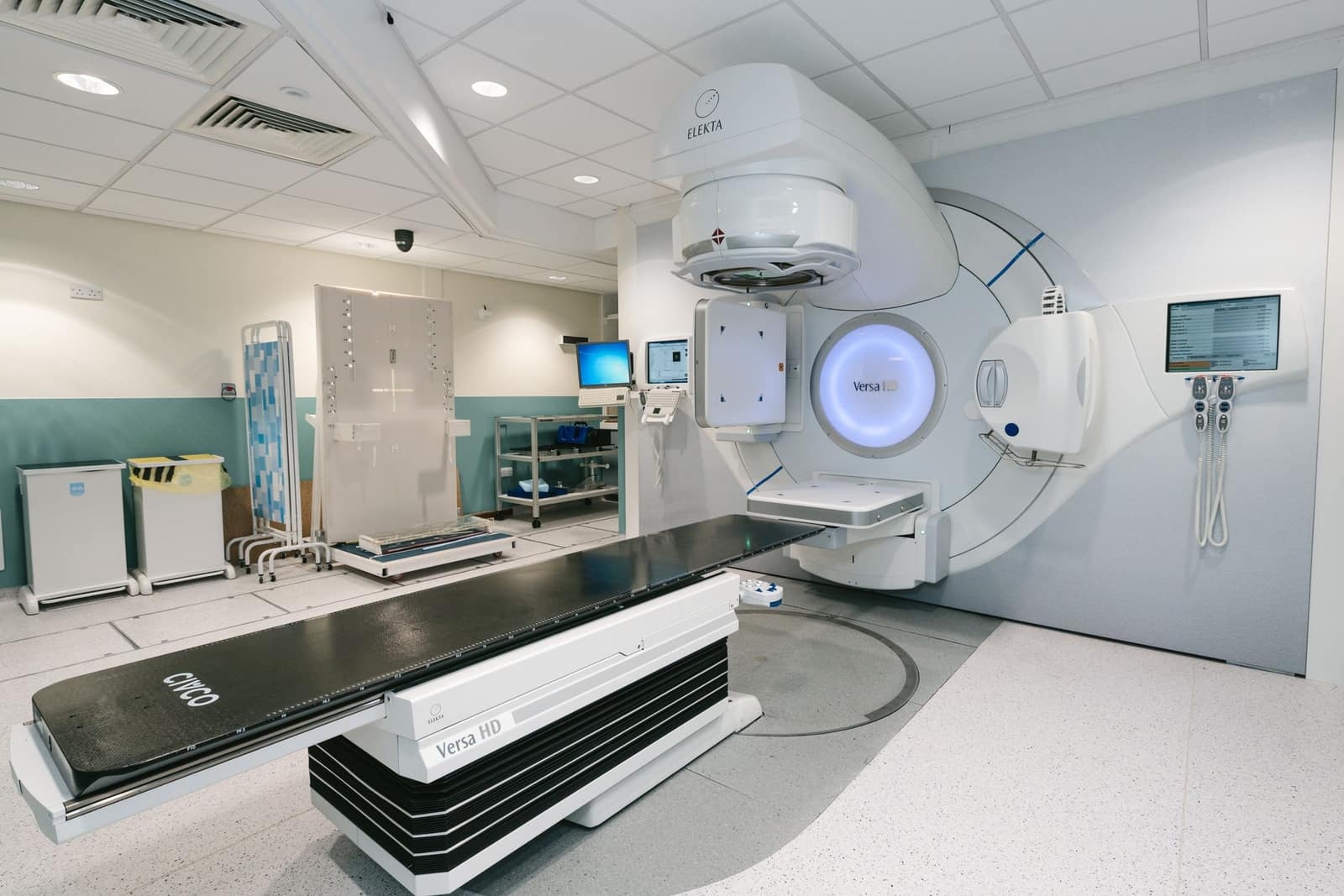
Doctors at Jinnah Postgraduate Medical Centre say about 25 percent of cancer patients abandon treatment before it is complete, mostly over cost, with full care running Rs3 million to Rs4 million.
BBP Health Desk · October 12, 2026 · 4 min

Sindh's Mpox Count More Than Doubles to 93 in a Week, With 11 Deaths Now on the Record
Sindh's 2026 mpox tally jumped from 43 cases in late September to 93 by October 7, with the death toll climbing to 11 — a surge driven by a critically ill 50-year-old dialysis patient from Nawabshah and a province-wide pattern that keeps adding roughly 20 cases a month.
BBP Health Desk · October 8, 2026 · 5 min