Aurangzeb Says Pakistan Has Enough Energy Through November, With Winter Still to Plan For
Finance Minister Muhammad Aurangzeb told AFP in Bangkok that Pakistan has procured enough energy to last through November and faces no shortages or fuel queues, even as the government separately scrambles for costly spot LNG cargoes to cover peak winter demand.
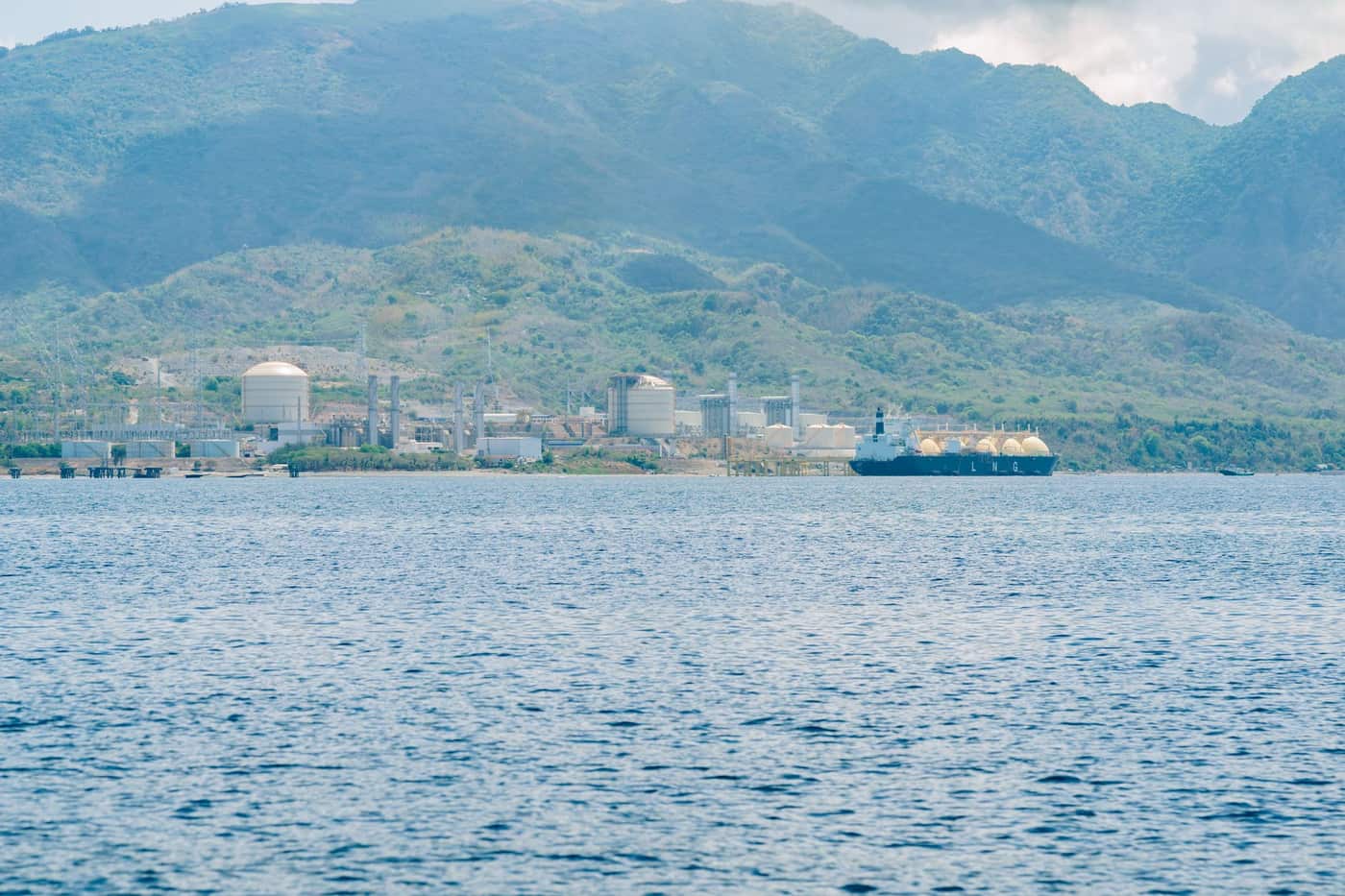
Photo by Nothing Ahead / Pexels
Pakistan has procured enough energy to last through November and faces no fuel shortages or queues, Finance Minister Muhammad Aurangzeb told AFP in an interview on the sidelines of the IMF-World Bank Annual Meetings in Bangkok on Saturday, October 17, 2026. The government, he said, is now turning to planning for the winter months, when household heating and cooking demand typically pushes gas consumption toward its yearly peak.
What Aurangzeb said
Aurangzeb said Pakistan had absorbed the initial shock from higher energy prices caused by the US-Israeli war on Iran without major disruption. "The first-order impact has been negotiated well by Pakistan," he said, adding that the country has seen none of the fuel queues or law-and-order problems reported in some other countries affected by the same regional price pressure. He also called recent attacks on energy infrastructure in Saudi Arabia and other Gulf states "worrying" for the longer-term supply outlook, a reference to the Houthi strikes on Saudi airports and a power station that Pakistan has publicly condemned in recent weeks.
Why Pakistan is wary of the spot market
On the question of whether Pakistan would buy extra liquefied natural gas on the spot market as a buffer, Aurangzeb said the government would do so only in case of "an absolute dire need," since spot cargoes cost significantly more than gas bought under existing long-term contracts. That caution comes against a backdrop of real strain: Qatar, Pakistan's main contracted LNG supplier, extended a Hormuz-linked force majeure on deliveries to November 5, and the Petroleum Division has separately sought cabinet approval for roughly 24 cargoes this winter — about 12 from Qatar and 10 from the costlier spot market — at a projected import bill of about $1.29 billion between November and February, with each spot cargo running close to double the contracted Qatari price.
A reassurance set against a tighter supply picture
The gap between Aurangzeb's "no shortages so far" message and the scale of the cargo-buying effort under way is not necessarily a contradiction: officials have been explicit that this winter's plan depends on exactly the kind of spot-market purchases Aurangzeb says the government wants to avoid making routine. One report put the cost of that winter LNG push at more than double what Pakistan would otherwise pay, underlining that "enough energy through November" is a statement about the near term, not a guarantee that peak winter demand in December and January will be met without additional, pricier purchases.
The wider context in Bangkok
Aurangzeb's energy remarks came during the same Bangkok trip in which Pakistan was named incoming chair of the IMF and World Bank Boards of Governors for 2027, and in which he has separately discussed Pakistan's progress under its $7 billion Extended Fund Facility and $1.4 billion Resilience and Sustainability Facility arrangements with IMF and World Bank officials, including a dinner meeting with World Bank Group President Ajay Banga. Energy-price management remains one of the fiscal pressures the IMF programme tracks closely, since subsidised or disrupted fuel supply feeds directly into the budget deficit the Fund monitors each review.
What to watch next
The real test of Aurangzeb's assurance will come once household heating demand climbs through December and January, when Pakistan has historically needed the most gas it has the least spare capacity to supply. Consumers can track the rupee's effect on import costs, which shape how expensive any spot LNG purchases turn out to be, on our dollar rate page.
Build Better Pakistan's Energy Desk is tracking Pakistan's winter gas and electricity planning through the peak demand months.
This article is part of our Energy coverage — Circular debt, load-shedding and the push toward a reliable power grid.
Frequently Asked Questions
- Has Pakistan secured enough energy supply for this winter?
- Finance Minister Muhammad Aurangzeb said on October 17 that Pakistan has procured enough energy to last through November, with no current shortages or fuel queues, and that the government is now planning specifically for the winter months when household gas and power demand typically spikes.
- Why won't Pakistan just buy more LNG on the spot market to be safe?
- Aurangzeb said Pakistan will avoid spot LNG purchases unless there is "an absolute dire need," because spot cargoes cost roughly double the price of previously contracted shipments. Officials have separately sought cabinet approval for a mix of contracted and spot cargoes to cover winter demand, at a projected cost of about $1.29 billion between November and February.
Trending Now
- 01
Pakistan Says Afghanistan Talks Cannot Be Unconditional, Demands Verifiable End to Attacks
October 17, 2026
- 02
Petrol Falls Rs3.93 to Rs386.30 a Litre for the Weekend, Diesel Holds Steady
October 17, 2026
- 03
Magnitude 5.9 Earthquake Jolts Khuzdar, No Casualties Reported
October 17, 2026
- 04
IESCO Asks NEPRA for 54 Percent Tariff Rise Ahead of Privatisation
October 16, 2026
- 05
Pakistan to Chair IMF and World Bank Boards in 2027, First Time Since 1953
October 16, 2026
Weekly Briefing
The week's most important stories on Pakistan's biggest challenges, in your inbox.
Related Reading
Petrol Falls Rs3.93 to Rs386.30 a Litre for the Weekend, Diesel Holds Steady
The Petroleum Division cut petrol by Rs3.93 to Rs386.30 a litre for October 17 to 19, while high-speed diesel stayed unchanged at Rs396.96, as OGRA's daily pricing mechanism pulled petrol down for a second straight revision after it briefly neared Rs400 earlier this month.
BBP Energy Desk · October 17, 2026 · 3 min
IESCO Asks NEPRA for 54 Percent Tariff Rise Ahead of Privatisation
The Islamabad Electric Supply Company asked NEPRA to raise its average tariff to Rs43.54 a unit for 2027, up 54 percent, as the Privatisation Commission pushes it to clean up its books before a sale.
BBP Energy Desk · October 16, 2026 · 4 min
Petrol Climbs to Rs393.86 a Litre as Diesel Edges Down 17 Paisa
The Petroleum Division raised petrol by Rs1.20 to Rs393.86 a litre and cut high-speed diesel by 17 paisa to Rs396.65, effective October 15, 2026, under the daily pricing mechanism Pakistan adopted in July as Middle East supply fears pushed global crude higher.
BBP Energy Desk · October 15, 2026 · 3 min