IESCO Asks NEPRA for 54 Percent Tariff Rise Ahead of Privatisation
The Islamabad Electric Supply Company asked NEPRA to raise its average tariff to Rs43.54 a unit for 2027, up 54 percent, as the Privatisation Commission pushes it to clean up its books before a sale.
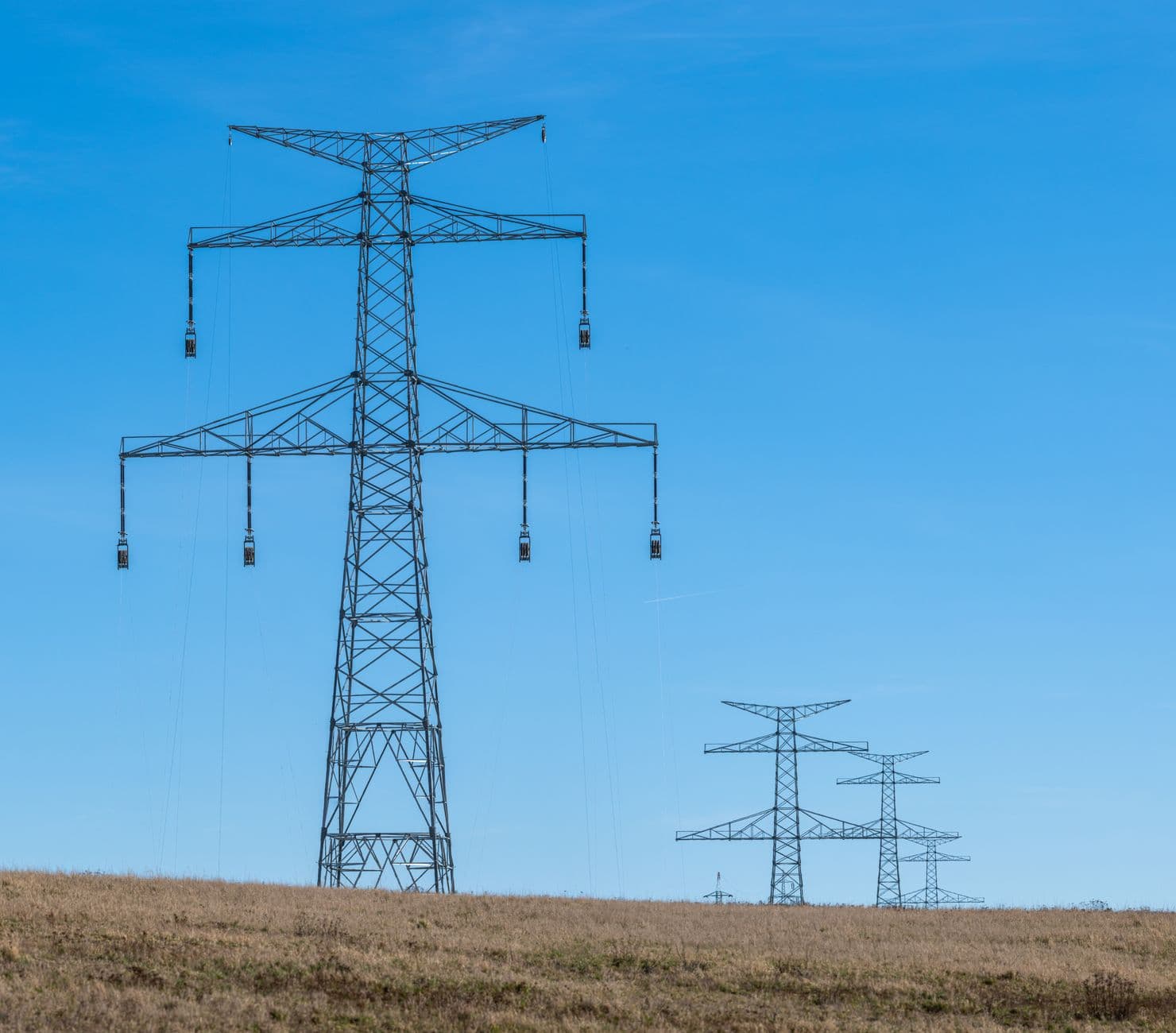
Photo by Petr Ganaj / Pexels
The company that supplies electricity to Islamabad and Rawalpindi has asked the national power regulator to raise its average tariff by 54 percent, to Rs43.54 a unit for calendar year 2027, as the government prepares to sell it to private investors. The Islamabad Electric Supply Company (IESCO) made the request at a National Electric Power Regulatory Authority (NEPRA) public hearing on October 15, where its chief executive, Chaudhry Khalid Mahmood, presented the petition.
IESCO's current average tariff is Rs28.20 a unit. The requested rate would add about Rs15.34 a unit, pushing the energy cost of a typical 200-unit monthly bill from Rs5,640 to Rs8,708 before taxes and other surcharges, according to the figures presented at the hearing. IESCO supplies Islamabad, Rawalpindi, Attock, Jhelum and Chakwal.
A Rs157.9 billion bill for past years, much of it tied to AJK
Beyond the 2027 rate itself, IESCO is separately seeking Rs157.864 billion in prior-year adjustments — costs the company says it has already incurred but not yet recovered through tariffs. A significant share relates to supplying relatively cheap electricity to Azad Jammu and Kashmir (AJK), which accounts for about 17 percent of IESCO's total electricity supply. At the hearing, intervener Amir Sheikh argued that the cost of AJK's subsidised supply should be covered by a direct government subsidy rather than passed on to IESCO's other consumers.
Clean up the books, then find a buyer
IESCO sits in the first phase of the government's privatisation programme, and the company says the Privatisation Commission told it to clean up its balance sheet before it is offered to private buyers. Ten parties submitted expressions of interest in IESCO last month. The tariff and past-cost claims now before NEPRA are, in effect, IESCO trying to clear its accumulated financial obligations before a sale goes ahead — the kind of balance-sheet reckoning that tends to show up, at least in part, on consumer bills.
NEPRA pushed back on parts of the request. Member (Tariff and Finance) Amina Ahmed questioned recovering the full Rs157.9 billion adjustment in one step and suggested spreading it over several phases instead. A NEPRA technical member also asked why IESCO's advanced metering rollout was focused on Islamabad and Rawalpindi rather than areas with higher electricity theft; the company's CEO replied that city consumers use more sophisticated methods to steal power.
Not the only distribution company under strain
The same hearing took up petitions from two other distribution companies. An MQM provincial lawmaker, Sabir Hussain Qaimkhani, objected to Hyderabad Electric Supply Company's (HESCO) tariff petition and urged NEPRA to reject its revised assumptions. Sukkur Electric Power Company (SEPCO) reported a bill recovery rate of just 36 percent in the last fiscal year, against roughly 95 percent for Punjab's distribution companies — a gap a NEPRA member said would make it difficult for SEPCO to attract a private buyer in its current state. We've covered the wider dispute over who absorbs distribution companies' unrecovered costs separately.
NEPRA, not IESCO, has the last word
NEPRA has not ruled on any of the three petitions. It will review IESCO's numbers before issuing its own determination, and the federal government then sets the tariff that actually appears on bills — a step that, in past adjustments, has sometimes landed below what a distribution company asked for. Pakistan's broader circular debt problem, which these unresolved utility costs feed into, remains the backdrop against which every such request is heard. For now, Islamabad and Rawalpindi households have a number to watch — Rs43.54 a unit — rather than a bill that has actually changed.
Build Better Pakistan's Energy Desk is tracking NEPRA's review of IESCO's tariff petition ahead of the company's planned privatisation.
This article is part of our Energy coverage — Circular debt, load-shedding and the push toward a reliable power grid.
Frequently Asked Questions
- How much would IESCO's tariff rise if NEPRA approves the request?
- IESCO asked NEPRA to raise its average consumer-end tariff to Rs43.54 per unit for calendar year 2027, up from Rs28.20 now, an increase of about Rs15.34, or 54 percent. At that rate, the energy cost of a 200-unit monthly bill would rise from Rs5,640 to Rs8,708, before taxes and other charges.
- Is the tariff increase final?
- No. The request is a petition heard at a NEPRA public hearing on October 15, 2026. NEPRA must scrutinise the figures before issuing its own determination, and the federal government then sets the tariff that appears on bills.
Trending Now
- 01
Pakistan to Chair IMF and World Bank Boards in 2027, First Time Since 1953
October 16, 2026
- 02
SECP Sets Up a Unit to Hunt Ponzi Schemes Before Investors Complain
October 15, 2026
- 03
Parliament Approves Khyber Pakhtunkhwa Emergency and Governor's Rule
October 15, 2026
- 04
Pakistan's Hunger Score Worsens to 25.5 in 2026 Global Hunger Index
October 15, 2026
- 05
Petrol Climbs to Rs393.86 a Litre as Diesel Edges Down 17 Paisa
October 15, 2026
Weekly Briefing
The week's most important stories on Pakistan's biggest challenges, in your inbox.
Related Reading
Petrol Climbs to Rs393.86 a Litre as Diesel Edges Down 17 Paisa
The Petroleum Division raised petrol by Rs1.20 to Rs393.86 a litre and cut high-speed diesel by 17 paisa to Rs396.65, effective October 15, 2026, under the daily pricing mechanism Pakistan adopted in July as Middle East supply fears pushed global crude higher.
BBP Energy Desk · October 15, 2026 · 3 min
Petrol Falls to Rs392.66 a Litre as Daily Price Reviews Continue
The Petroleum Division cut petrol by Rs2.71 to Rs392.66 a litre and high-speed diesel by 3 paisa to Rs396.82, effective October 14, 2026, under the daily pricing mechanism Islamabad adopted after the Iran-US war pushed fuel costs sharply higher this year.
BBP Energy Desk · October 14, 2026 · 2 min
Pakistan State Oil Signs Petroleum Supply Deal With Oman as It Diversifies Away From Hormuz
Pakistan State Oil signed a sale-purchase agreement with Oman's OQ Trading on October 8 to import petroleum products, a deal five years in the making that Islamabad has accelerated as the Strait of Hormuz remains an unreliable supply route during the US-Iran war.
BBP Energy Desk · October 12, 2026 · 3 min