Qatar Extends LNG Force Majeure to November 5, Leaving Pakistan Scrambling Before Winter
QatarEnergy has told Pakistan its Hormuz-linked force majeure on LNG deliveries now runs through November 5, just as winter gas demand starts climbing — leaving Islamabad to cover a widening supply gap with spot-market cargoes it can least afford.
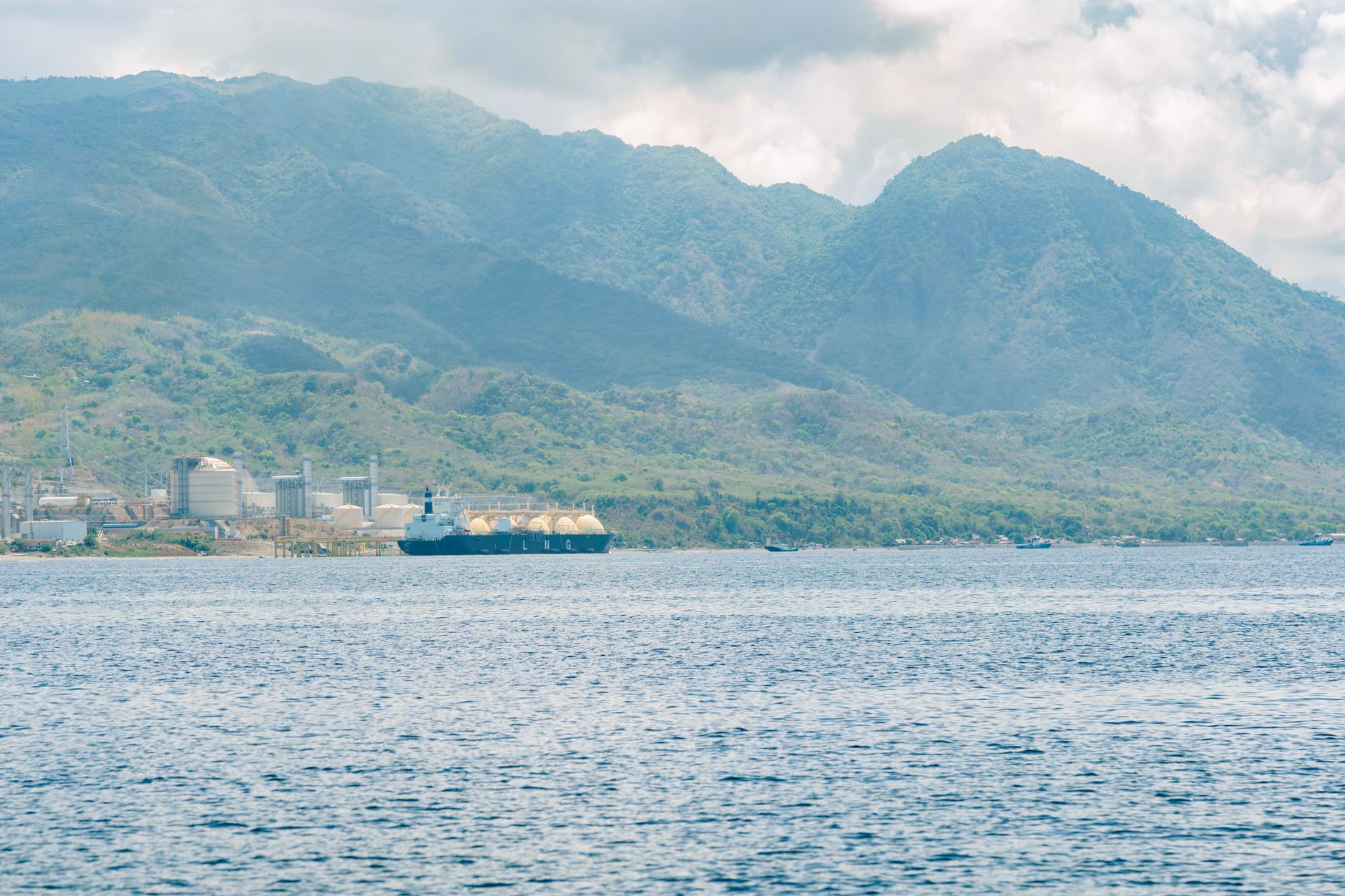
Photo by Nothing Ahead / Pexels
Pakistan is heading into its highest-demand winter gas months with its main LNG supplier still unable to deliver on schedule. QatarEnergy this week notified Islamabad and Dhaka that the force majeure it declared on LNG shipments in March has been extended through November 5, 2026 — pushing well into the period when Pakistan's gas network needs the most imported fuel to make up for insufficient domestic production.
Why Qatar still can't deliver on schedule
The disruption traces back to March 2026, when an Iranian strike damaged production capacity at QatarEnergy's Ras Laffan complex, and has persisted because the Strait of Hormuz — the chokepoint through which roughly a fifth of the world's LNG trade passed in 2025 — has remained severely restricted amid the ongoing US-Iran war. Pakistan has previously managed to get individual cargoes through by negotiating safe passage directly with Iranian authorities, as it did twice in September alone for tankers that reached its import terminal despite the broader suspension. This week's notice extends the disruption at the contractual level rather than resolving it cargo by cargo.
The gap Pakistan now has to fill
Under its long-term government-to-government agreement, Pakistan normally receives around nine cargoes a month from Qatar. Since the force majeure began in March, it has received only nine cargoes from Qatar in total and had to buy seven more on the international spot market through July to cover the shortfall — a costlier option that strains a balance-of-payments position already under close watch as part of Pakistan's ongoing IMF review. The timing compounds the problem: gas demand in Pakistan rises sharply through the winter because domestic production alone cannot meet consumption, leaving imported LNG the marginal supply that balances the system. Industry estimates put the requirement at three to four cargoes in November, seven to eight in December, and ten to eleven in January as colder weather pushes up both household heating and power-generation demand.
What's being proposed to avoid a shortfall
With the contracted route still constrained, officials and industry voices are pointing to two options: intensified spot-market purchases and gas rationing to protect priority users. Mian Zahid Hussain, a prominent Pakistani business figure writing in Pakistan & Gulf Economist, has argued that without urgent spot-cargo purchases and rationing measures, the disruption risks "halting the industrial wheel" — and has specifically urged the government to prioritise gas supply to export-oriented industries if rationing becomes necessary. That framing reflects a recurring tension in Pakistan's energy policy: whichever sectors get priority access to a shrinking supply, others go without, and the choice tends to fall on households, general industry, or exporters in some combination.
Why this is bigger than one supplier's delay
Pakistan is not alone in absorbing this disruption — Bangladesh received the same notice from QatarEnergy this week — but Pakistan's exposure is sharper because it has fewer alternative suppliers under long-term contract and a domestic gas production base that has been declining for years, a structural problem this site has covered in the context of chronic circular debt building up across the energy sector more broadly. A prolonged Hormuz disruption converts what would normally be a fixed, budgeted cost — LNG under long-term contract — into an unpredictable one priced on the spot market, at exactly the time of year Pakistan can least afford the volatility.
What to watch
The practical question through October is whether Pakistan can lock in enough spot cargoes before winter demand peaks, and whether QatarEnergy's November 5 date holds or slips further if Hormuz shipping conditions don't improve. A further extension would push the gap deeper into the high-demand months of December and January, when the shortfall is largest and the options for covering it — mostly higher-priced spot purchases — are also the most expensive.
Build Better Pakistan's Energy Desk is tracking Pakistan's LNG supply situation ahead of winter and will update this piece as QatarEnergy's force majeure status changes.
This article is part of our Energy coverage — Circular debt, load-shedding and the push toward a reliable power grid.
Frequently Asked Questions
- Why has Qatar extended its LNG force majeure to Pakistan?
- QatarEnergy first declared force majeure in March 2026 after an Iranian strike damaged production capacity at its Ras Laffan complex, and shipping through the Strait of Hormuz has remained severely restricted since due to the ongoing US-Iran war. This week QatarEnergy notified Pakistan and Bangladesh that the suspension on scheduled cargo deliveries now runs through November 5, 2026.
- How much LNG does Pakistan need this winter, and how much has it been getting?
- Pakistan normally receives around nine cargoes a month from Qatar under its long-term government-to-government deal. Since the disruption began in March, it has received only nine cargoes in total from Qatar and bought seven more on the international spot market through July. Winter demand is expected to require three to four cargoes in November, seven to eight in December, and ten to eleven in January.
Related Reading
Petrol Falls to Rs387.54, Diesel to Rs402.24 in Second Straight Price Cut
The government cut petrol by Rs1.49 and high-speed diesel by Rs2.73 per litre for the fortnight starting September 30, the second consecutive reduction as retreating global oil prices bring the cumulative cut to Rs3.76 and Rs6.29 per litre respectively.
BBP Energy Desk · September 29, 2026 · 3 min
Pakistan Negotiated Directly With Iran to Get Its Second September LNG Cargo Through Hormuz
Pakistan secured passage for a second Qatari LNG cargo through the Strait of Hormuz this month by negotiating directly with Iran — the third time this year Islamabad has struck its own side deal to keep gas moving, after Iranian strikes knocked out 17% of Qatar's export capacity in March.
BBP Energy Desk · September 29, 2026 · 4 min
Petrol Subsidy Is Running Rs10 Billion a Month Over Budget — Government Says It'll Pay Anyway
Ten days after launch, Pakistan's Rs100-per-litre fuel relief scheme is costing Rs35-40 billion a month against an original Rs25-30 billion estimate. The petroleum minister says it'll run up to 10 months regardless, and the IMF isn't objecting.
BBP Energy Desk · September 27, 2026 · 4 min