LPG Cylinders Sell at Rs5,000, Almost 52pc Above Official Rate, as Government Flags Hoarding
The Petroleum Division has told OGRA and provincial authorities to act against suspected LPG hoarding ahead of winter, after domestic cylinders began changing hands near Rs5,000, well above the Rs3,296 notified maximum, as Strait of Hormuz disruptions squeeze imports.
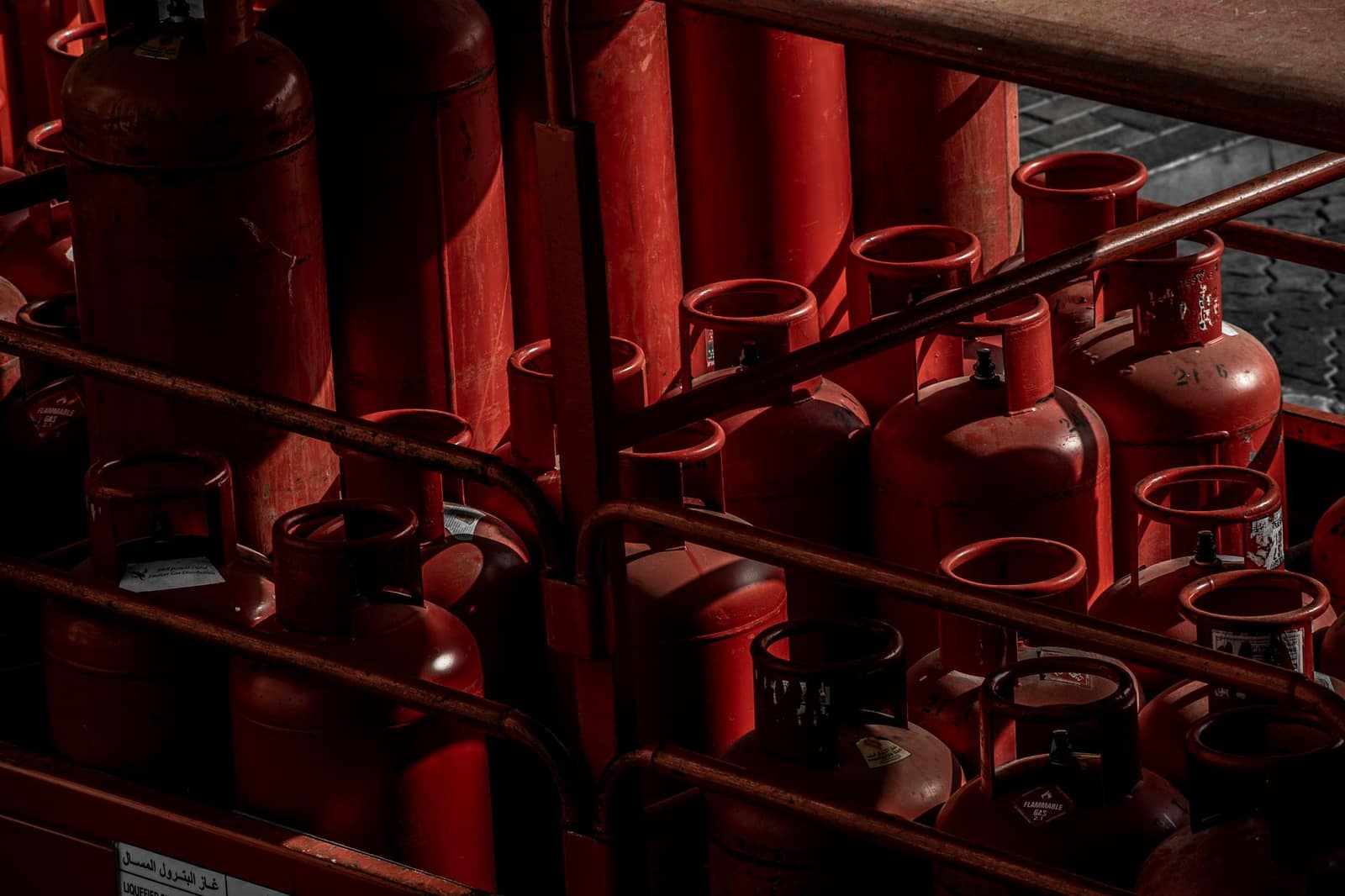
Photo by Aboodi Vesakaran / Pexels
The government has told the Oil and Gas Regulatory Authority (OGRA) and provincial and port authorities to act against suspected hoarding of liquefied petroleum gas (LPG), after domestic cylinders were reported selling at close to Rs5,000, against an OGRA-notified maximum of Rs3,296, Dawn reported.
The Petroleum Division said in a letter to OGRA that imported LPG volumes were not being regularly lifted from import terminals, raising concerns the gas was being held back rather than distributed, particularly to hilly, remote and off-grid areas that depend on cylinders for cooking and heating through the winter. The division described the reports as coming "through various sources," meaning the hoarding claim itself has not been independently confirmed.
A supply squeeze tracing back to Hormuz
Pakistan imports more than half of its annual LPG requirement of 1.4 to 2 million tonnes, and the closure of the Strait of Hormuz has narrowed the options for bringing it in. A separate Dawn report said Oman has become the main alternative supplier, but state trading firm OQ Trading has reportedly committed its available volumes to a single private buyer on commercial terms, a pattern sources said is feeding the black market.
More than 25,000 tonnes of LPG are stuck near Rahimdan, close to Gwadar, with waiting times of about a month and freight costs that have reportedly climbed from $100 to $400 a tonne. Storage at both Port Qasim terminals is said to be full, which sources described to Dawn as pointing to an artificial, rather than a genuine, shortage.
A rejected auction adds to the delay
Prime Minister Shehbaz Sharif this week rejected a Petroleum Division plan to auction LPG produced by state-owned firms OGDCL, PPL, Pak-Arab Refinery and Govt Holdings, saying any move away from the existing quota-based system needed a full legal and regulatory framework first. The highest bid in a pilot auction reached Rs205 million for a single five-tonne lot over three years, and the Petroleum Division estimated the wider scheme could have added about Rs900 to the price of a domestic cylinder, a rise of at least 15 percent. Some existing LPG stakeholders have separately challenged the bidding process in court.
What OGRA has been asked to do
The Petroleum Division asked OGRA to prevent hoarding, ensure regular lifting and supply to demand centres, and begin enforcement to keep LPG available at notified prices, especially in areas without access to piped gas. It also described plans to dispose of locally produced LPG through a more transparent, competitive process, saying local supply is currently concentrated among a small number of players, though litigation has held up the plan.
The LPG squeeze adds a second front to Pakistan's winter energy costs, alongside the Rs2.56-per-unit increase in November electricity bills the Power Division has projected for fuel used in September power generation, and the OGRA-set daily petrol and diesel price that has swung repeatedly this month on the same Hormuz-related disruptions.
What to watch
Neither OGRA nor the Petroleum Division has given a timeline for when enforcement action might bring cylinder prices back toward the notified rate, and the legal challenge to the proposed auction system remains before the courts. With winter demand for LPG typically rising in areas without piped gas, the gap between the official and market price is likely to be watched closely in the coming weeks.
Build Better Pakistan's Energy Desk is tracking Pakistan's LPG supply situation and will update this piece as OGRA and the Petroleum Division respond.
This article is part of our Energy coverage — Circular debt, load-shedding and the push toward a reliable power grid.
Frequently Asked Questions
- How much does an LPG cylinder cost in Pakistan right now?
- A domestic 11.8kg LPG cylinder was selling for around Rs5,000 in mid-October 2026, roughly 52 percent above the Rs3,296 maximum notified by the Oil and Gas Regulatory Authority (OGRA), according to the Petroleum Division.
- Why is LPG running short before winter?
- The closure of the Strait of Hormuz has cut Pakistan's usual import routes, leaving Oman as the main alternative supplier. More than 25,000 tonnes of LPG are reportedly stuck near Gwadar awaiting clearance, while the government says imported volumes are not being regularly lifted from terminals, which it has flagged as a possible sign of hoarding.
Trending Now
- 01
Pakistan Says Afghanistan Talks Cannot Be Unconditional, Demands Verifiable End to Attacks
October 17, 2026
- 02
Petrol Falls Rs3.93 to Rs386.30 a Litre for the Weekend, Diesel Holds Steady
October 17, 2026
- 03
Aurangzeb Says Pakistan Has Enough Energy Through November, With Winter Still to Plan For
October 17, 2026
- 04
Magnitude 5.9 Earthquake Jolts Khuzdar, No Casualties Reported
October 17, 2026
- 05
Silver Hits All-Time High in Pakistan as Gold Rises to Rs440,636 a Tola
October 17, 2026
Weekly Briefing
The week's most important stories on Pakistan's biggest challenges, in your inbox.
Related Reading
Petrol Falls Rs3.93 to Rs386.30 a Litre for the Weekend, Diesel Holds Steady
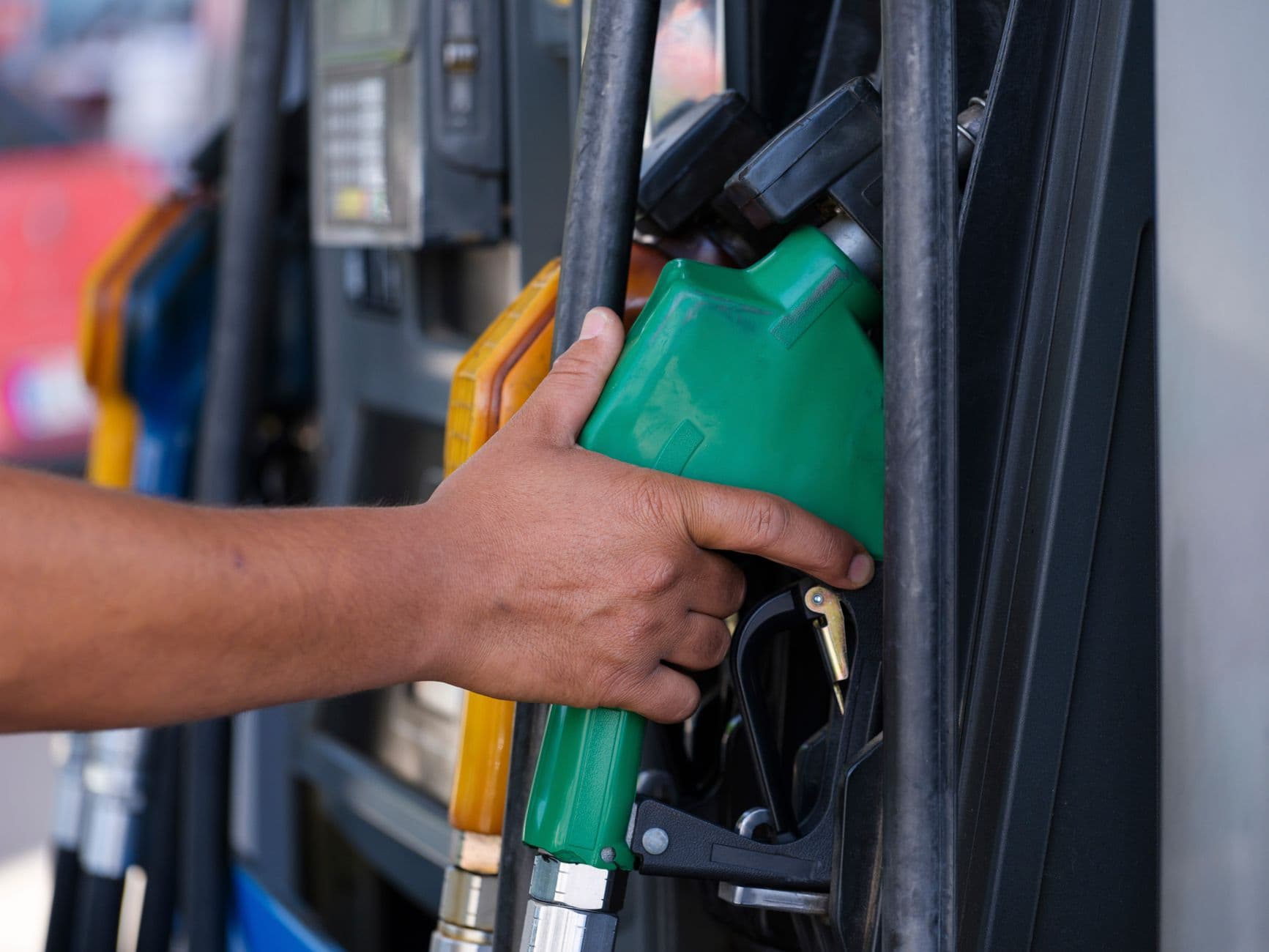
The Petroleum Division cut petrol by Rs3.93 to Rs386.30 a litre for October 17 to 19, while high-speed diesel stayed unchanged at Rs396.96, as OGRA's daily pricing mechanism pulled petrol down for a second straight revision after it briefly neared Rs400 earlier this month.
BBP Energy Desk · October 17, 2026 · 3 min
Aurangzeb Says Pakistan Has Enough Energy Through November, With Winter Still to Plan For
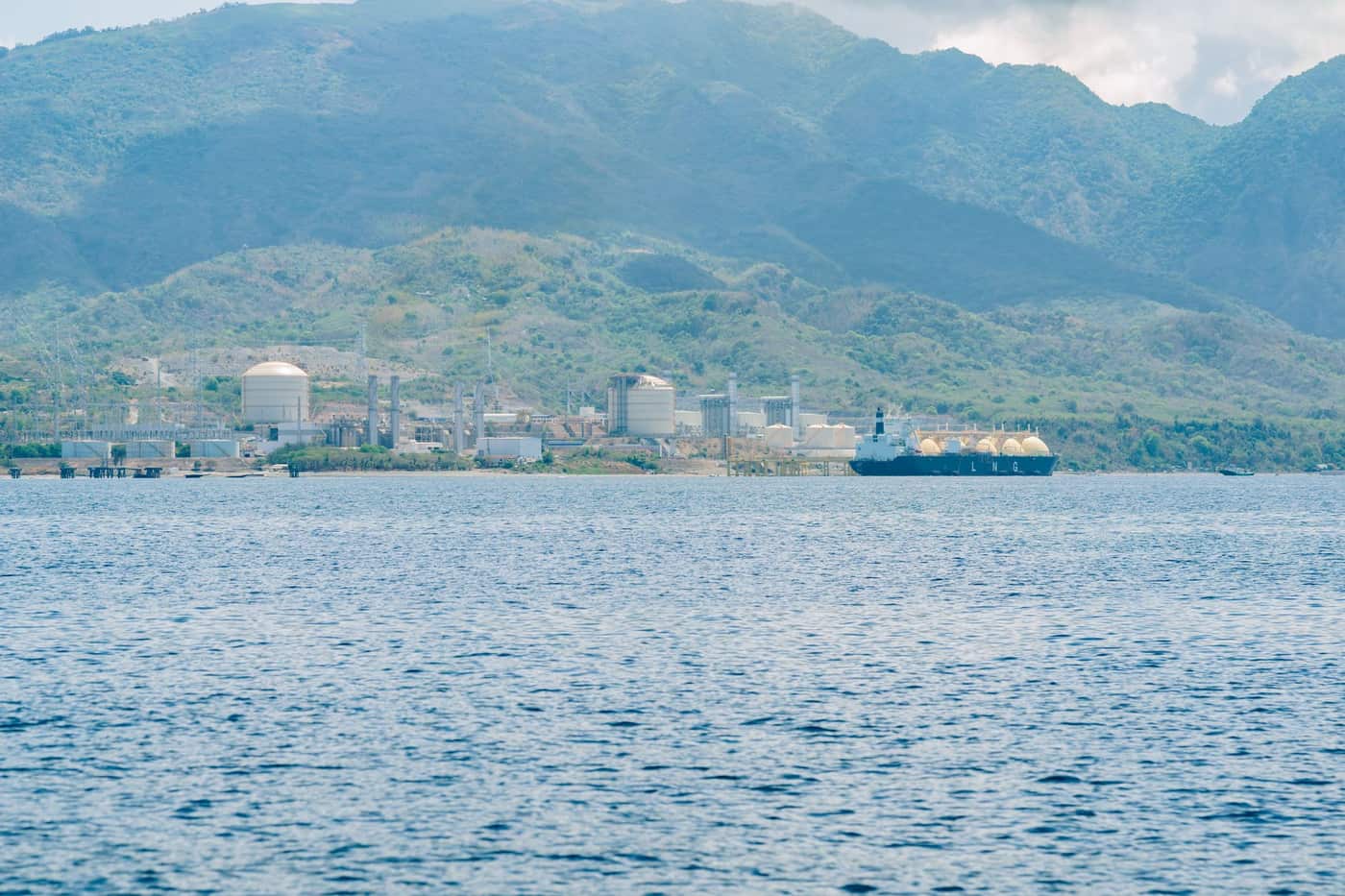
Finance Minister Muhammad Aurangzeb told AFP in Bangkok that Pakistan has procured enough energy to last through November and faces no shortages or fuel queues, even as the government separately scrambles for costly spot LNG cargoes to cover peak winter demand.
BBP Energy Desk · October 17, 2026 · 3 min
IESCO Asks NEPRA for 54 Percent Tariff Rise Ahead of Privatisation
The Islamabad Electric Supply Company asked NEPRA to raise its average tariff to Rs43.54 a unit for 2027, up 54 percent, as the Privatisation Commission pushes it to clean up its books before a sale.
BBP Energy Desk · October 16, 2026 · 4 min