Power Division Projects Rs2.56 a Unit Added to November Electricity Bills
The Power Division says September's fuel cost adjustment will add about Rs2.56 per unit to November electricity bills, after targeted load shedding and cheaper RLNG use held back an increase it says could otherwise have reached Rs5-6 a unit.
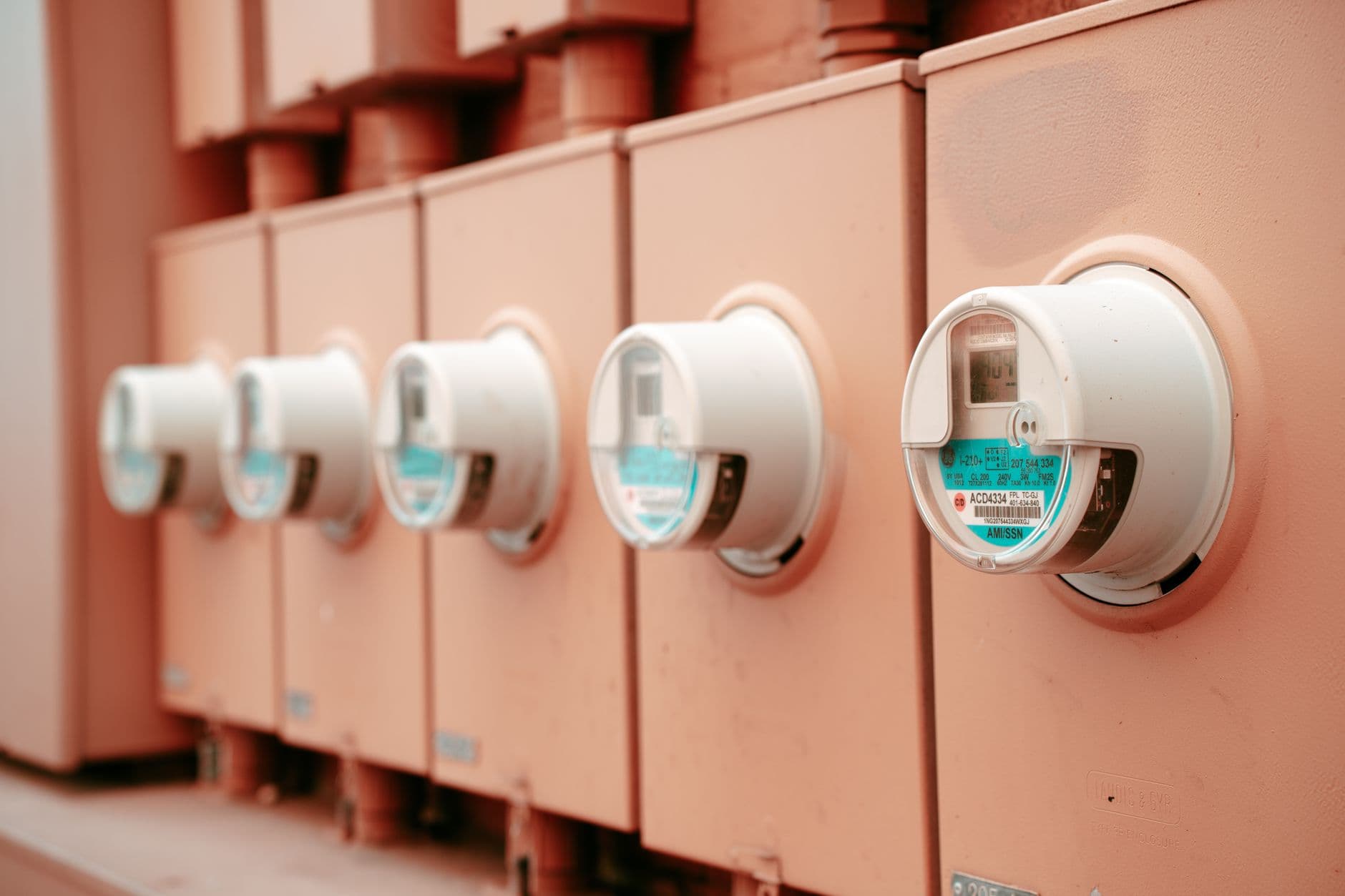
Photo by Connor Scott McManus / Pexels
Electricity bills are projected to carry an extra Rs2.56 per unit in November, the Power Division has said, as the fuel cost adjustment for September generation works its way through Pakistan's monthly billing cycle.
The ministry's estimate, reported by Dawn, puts the total cost to consumers at roughly Rs32.7 billion. The adjustment still requires a formal determination from the National Electric Power Regulatory Authority (NEPRA) before it is added to bills, a step that has previously trimmed the amounts utilities first sought.
Why fuel costs keep moving
The Power Division attributed the rise to expensive fuel used for power generation, as international prices climbed amid Middle East conflict and the disruption that followed the closure of the Strait of Hormuz. Qatar's declaration of force majeure on its LNG supply contracts added further strain, pushing Pakistan to seek additional spot cargoes even as it continued pursuing its existing contracted volumes.
August's fuel cost adjustment, which appeared on October bills, came in at Rs1.1086 per unit after NEPRA cut CPPA-G's original request of Rs1.7267. September's estimate is roughly Rs1.45 higher than August's, which is how the Power Division arrives at the Rs2.56 total for November.
The load-shedding trade-off
The ministry said targeted load shedding, lasting two to two-and-a-half hours a day during September, reduced the need for costlier furnace oil and high-speed diesel generation. Combined with using imported RLNG at domestic gas prices, it said the measures saved consumers up to Rs3.44 per unit, averting what it described as a potential Rs5-6 per unit increase.
That trade-off echoes the pattern this year, when furnace oil sales jumped 740 percent year-on-year in September as the same Hormuz-linked LNG disruption forced generators onto more expensive fuel.
A tariff structure already under dispute
The Power Division said fuel cost adjustments and quarterly tariff revisions combined added only 65 paisa per unit, a 1.9 percent rise over the base tariff, between January and August. But the relief has not satisfied industrial consumers, who dispute the benefits of a separate incremental support package. They argue that a Rs22.96 per unit marginal rate benefits only a narrow group, while the real marginal cost of Rs34 per unit adds about Rs11 per unit to what all consumers pay on average. NEPRA held a public hearing on the package last week, with a decision still pending, and the regulator has separately been weighing a related industrial tariff dispute worth Rs26.8 billion that producers have raised with the Federation of Pakistan Chambers of Commerce and Industry.
What to watch
NEPRA has not yet issued its own determination on the September fuel cost adjustment, and its past rulings have sometimes reduced the amount DISCOs requested. In August's cycle, for instance, the regulator cut the Central Power Purchasing Agency-Guaranteed's (CPPA-G) request by more than a third before settling on Rs1.1086 per unit. Whether a similar reduction applies to the September adjustment will only be clear once NEPRA holds its own public hearing and issues a decision, expected before November bills are issued.
Households already paying higher bills from the daily swings in petrol and diesel prices, tracked on our live fuel price page, now face a second source of monthly cost uncertainty in the fuel cost adjustment, which depends on international fuel markets that have moved sharply since the Strait of Hormuz disruptions began earlier this year.
Build Better Pakistan's Energy Desk tracks NEPRA's monthly fuel cost adjustments and will update this piece once the regulator issues its determination.
This article is part of our Energy coverage — Circular debt, load-shedding and the push toward a reliable power grid.
Frequently Asked Questions
- How much more will November electricity bills cost?
- The Power Division projects a fuel cost adjustment of about Rs2.56 per unit on November bills, covering electricity generated in September 2026. The figure still needs NEPRA's formal approval before it is added to bills.
- Why is the adjustment lower than it could have been?
- The Power Division says about two to two-and-a-half hours a day of targeted load shedding in September, plus using imported RLNG priced at domestic gas rates, cut reliance on costlier furnace oil and diesel generation. It says this held the adjustment to Rs2.56 a unit rather than the Rs5-6 it says could otherwise have resulted.
Trending Now
- 01
LPG Cylinders Sell at Rs5,000, Almost 52pc Above Official Rate, as Government Flags Hoarding
October 18, 2026
- 02
Pakistan Says Afghanistan Talks Cannot Be Unconditional, Demands Verifiable End to Attacks
October 17, 2026
- 03
Petrol Falls Rs3.93 to Rs386.30 a Litre for the Weekend, Diesel Holds Steady
October 17, 2026
- 04
Aurangzeb Says Pakistan Has Enough Energy Through November, With Winter Still to Plan For
October 17, 2026
- 05
Magnitude 5.9 Earthquake Jolts Khuzdar, No Casualties Reported
October 17, 2026
Weekly Briefing
The week's most important stories on Pakistan's biggest challenges, in your inbox.
Related Reading
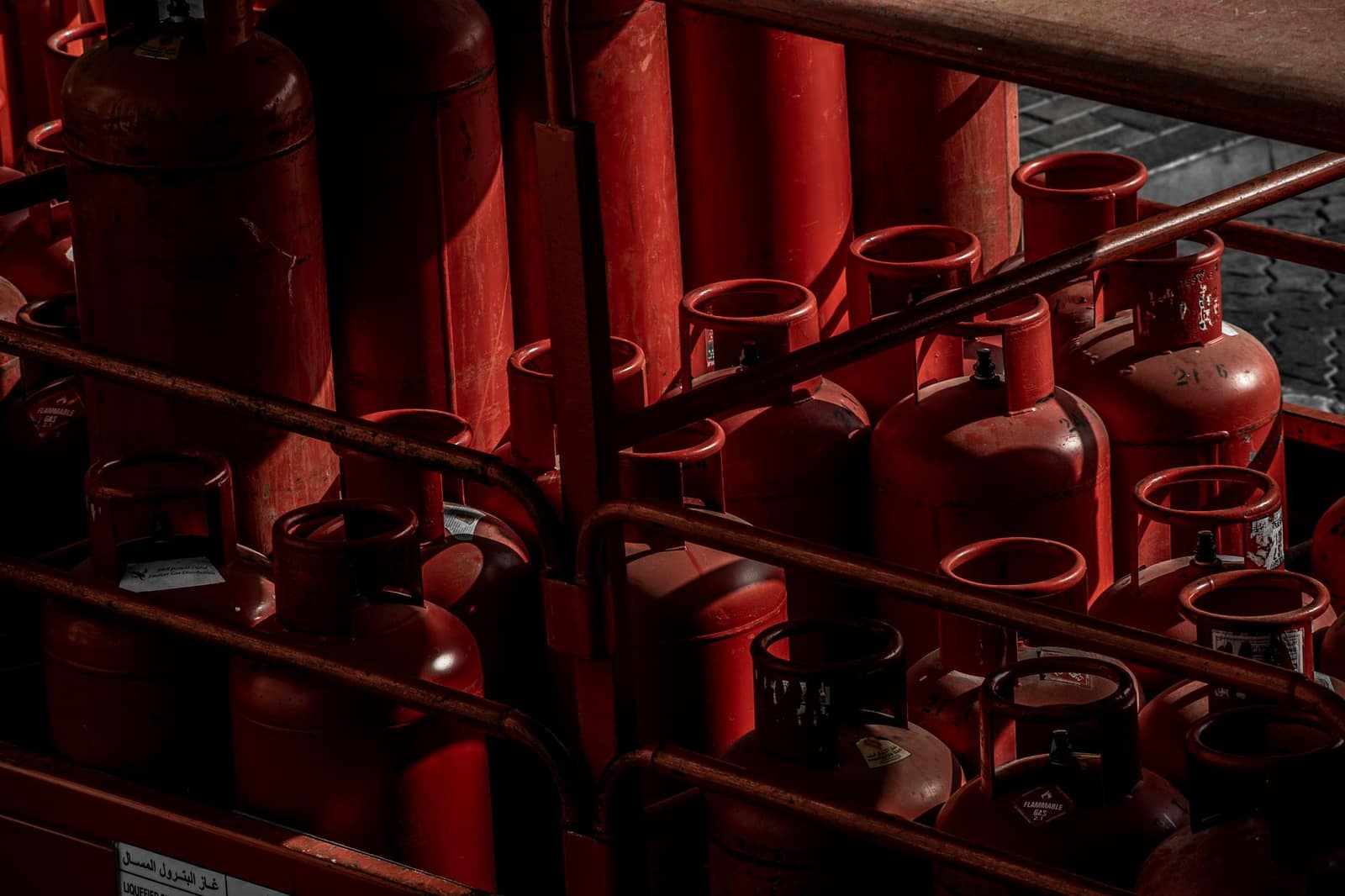
LPG Cylinders Sell at Rs5,000, Almost 52pc Above Official Rate, as Government Flags Hoarding
The Petroleum Division has told OGRA and provincial authorities to act against suspected LPG hoarding ahead of winter, after domestic cylinders began changing hands near Rs5,000, well above the Rs3,296 notified maximum, as Strait of Hormuz disruptions squeeze imports.
BBP Energy Desk · October 18, 2026 · 3 min
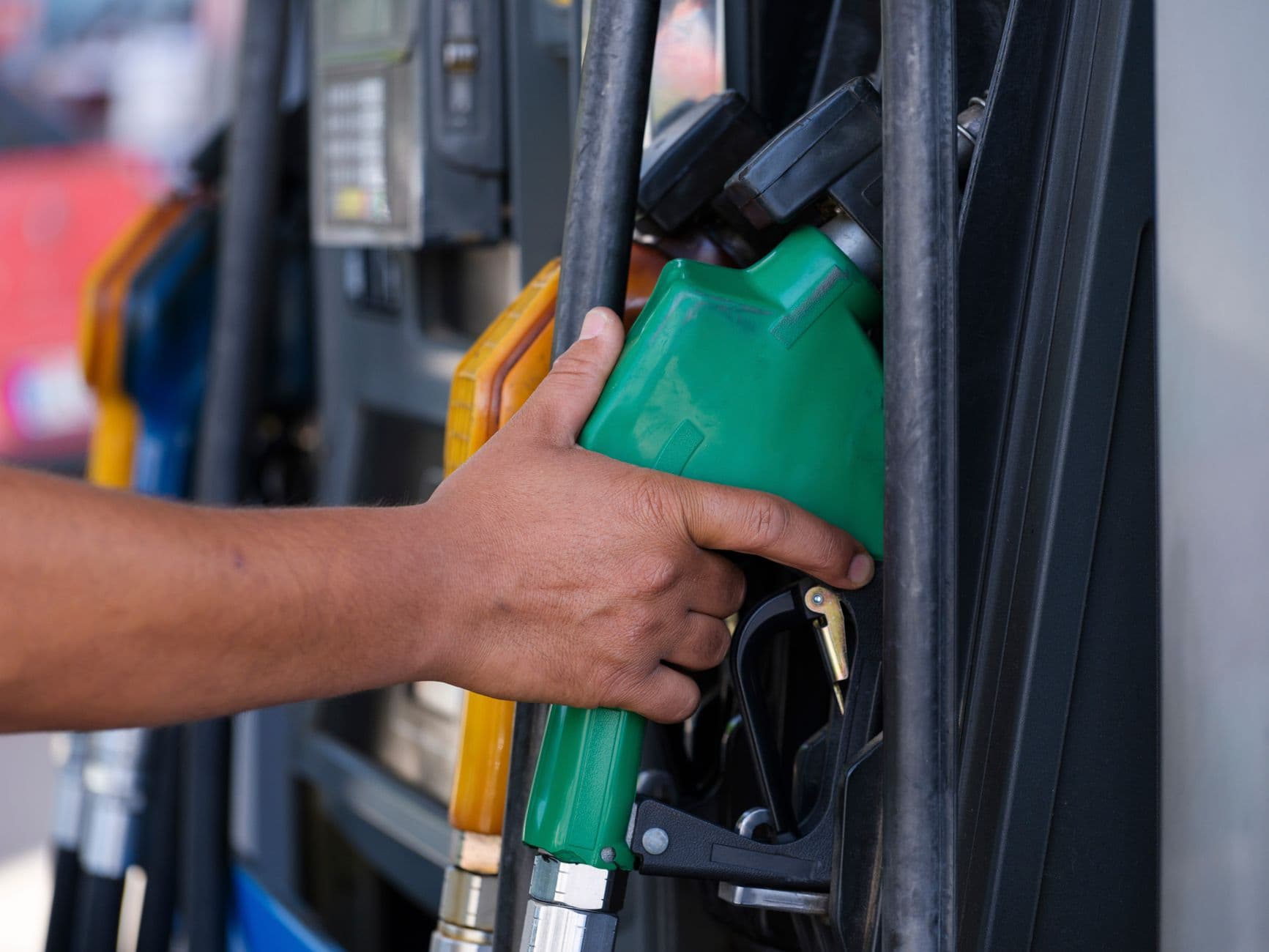
Petrol Falls Rs3.93 to Rs386.30 a Litre for the Weekend, Diesel Holds Steady
The Petroleum Division cut petrol by Rs3.93 to Rs386.30 a litre for October 17 to 19, while high-speed diesel stayed unchanged at Rs396.96, as OGRA's daily pricing mechanism pulled petrol down for a second straight revision after it briefly neared Rs400 earlier this month.
BBP Energy Desk · October 17, 2026 · 3 min

Aurangzeb Says Pakistan Has Enough Energy Through November, With Winter Still to Plan For
Finance Minister Muhammad Aurangzeb told AFP in Bangkok that Pakistan has procured enough energy to last through November and faces no shortages or fuel queues, even as the government separately scrambles for costly spot LNG cargoes to cover peak winter demand.
BBP Energy Desk · October 17, 2026 · 3 min