NEPRA Approves Rs1.1086 Fuel Charge for October Bills, Below What CPPA-G Sought
The power regulator has cleared a Rs1.1086-per-unit fuel cost adjustment for August generation, to appear on October bills — well short of the Rs1.7267 the Central Power Purchasing Agency had requested, after NEPRA recalculated the actual fuel cost lower.
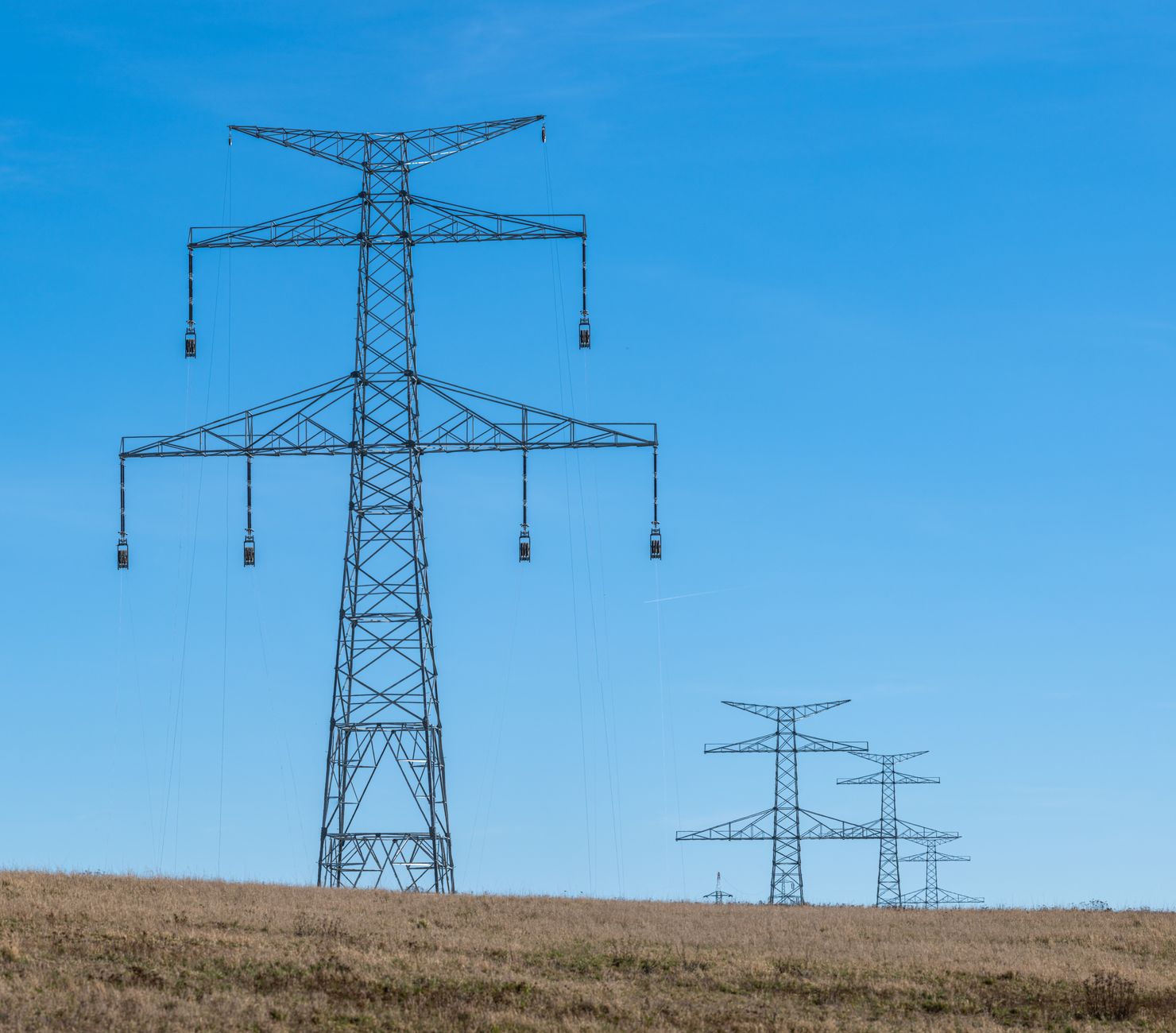
Photo by Petr Ganaj / Pexels
Pakistan's power regulator has approved a fuel cost adjustment (FCA) of Rs1.1086 per unit for August 2026 generation, which will show up on October electricity bills — a smaller hit to consumers than the Central Power Purchasing Agency-Guarantee (CPPA-G) had asked for when it requested Rs1.7267 per unit. The National Electric Power Regulatory Authority (NEPRA) notified the lower figure after recalculating the actual cost of fuel used to generate power in August.
How the gap narrowed
Monthly fuel cost adjustments work by comparing the actual cost of fuel power plants burned in a given month against a reference fuel cost already built into the base tariff; the difference is passed through to consumers the following billing cycle. CPPA-G's request was based on a claimed actual fuel cost of Rs8.8265 per unit for August. NEPRA's own determination put the real figure lower, at Rs8.2084 per unit. Measured against the Rs7.0998 reference cost already in the tariff, that produced a Rs1.1086 adjustment rather than the larger one CPPA-G had sought.
This is the same request NEPRA held a public hearing on in early October, after CPPA-G first asked for the increase in September as what was then described as a fifth consecutive monthly rise. The October decision resolves that request — just not at the level the power-purchasing agency had wanted.
Who pays, and who's exempt
The charge applies to all consumer categories served by K-Electric and the ex-WAPDA distribution companies (XWDISCOs), including, according to at least one report, consumption billed under the Prime Minister's Incremental Consumption Package. NEPRA's determination exempts three groups from the October adjustment: lifeline consumers, electric vehicle charging stations, and consumers who have opted into prepaid electricity tariffs. Outlets estimate the total additional cost to consumers at roughly Rs16 billion for the month, though at least one report puts the figure closer to Rs19 billion — the gap in the public reporting hasn't been resolved.
Smaller than August, smaller than July too
Measured against recent months, October's adjustment is a step down. The Rs1.1086 approved now is Rs0.9495 per unit lower than the Rs2.0581 fuel charge that applied to September bills for July's generation costs. That makes this the second consecutive month in which the approved FCA has come in below the prior month's charge, even though CPPA-G's original August request would have reversed that trend by asking for more than double what was ultimately approved.
Why this still compounds with other charges
A fuel cost adjustment is only one of several line items that move independently on Pakistani electricity bills. Consumers are separately absorbing a quarterly tariff adjustment of 52 paisa per unit spread across September through November, on top of whatever base tariff and taxes already apply. Circular debt in the power sector climbed by Rs61 billion to Rs1.675 trillion as of early October, a reminder that even adjustments smaller than requested are still being layered onto a sector the federal government is actively trying to claw cash back into, including by deducting provincial arrears from National Finance Commission transfers.
Timing caveat
NEPRA's own practice means some consumers may not see the Rs1.1086 charge until November bills rather than October ones: if a distribution company issues bills before the FCA decision is formally notified in its service territory, the adjustment carries over to the following billing cycle instead. Consumers checking their October bill against this figure should confirm which month's generation cost is actually being charged before assuming the number is wrong.
Build Better Pakistan's Energy Desk tracks NEPRA's monthly fuel cost adjustments and their effect on household power bills.
This article is part of our Energy coverage — Circular debt, load-shedding and the push toward a reliable power grid.
Frequently Asked Questions
- How much will October's fuel charge adjustment add to electricity bills?
- NEPRA has approved a fuel cost adjustment (FCA) of Rs1.1086 per unit for August 2026 generation, which will be reflected on October 2026 bills. It applies to all consumer categories of K-Electric and the ex-WAPDA distribution companies, except lifeline consumers, electric vehicle charging stations, and consumers on prepaid tariffs.
- Why is the approved charge lower than what was requested?
- The Central Power Purchasing Agency-Guarantee (CPPA-G) had sought Rs1.7267 per unit, based on a claimed actual fuel cost of Rs8.8265 per unit for August. NEPRA's own review found the actual fuel cost was lower, at Rs8.2084 per unit, against a reference fuel cost of Rs7.0998 per unit already built into the tariff — producing the smaller Rs1.1086 gap it ultimately approved.
Related Reading
Petrol Costlier Than Diesel for the First Time, After Six Straight Daily Hikes
OGRA's daily pricing mechanism has pushed petrol up on six consecutive revisions since October 2, to Rs398.96 a litre effective October 9, while diesel mostly fell over the same stretch — flipping the usual price order between the two fuels for the first time since the system began.
BBP Energy Desk · October 9, 2026 · 4 min
Islamabad Tells IMF It Will Claw Back Rs110 Billion in Power Dues From Provinces' Own NFC Shares
With power-sector circular debt up Rs61 billion to Rs1.675 trillion, the federal government told the IMF it plans to recover over Rs110 billion in provincial electricity arrears by deducting the money from provinces' National Finance Commission shares — a move provinces have resisted before and that may need their own written consent to execute.
BBP Energy Desk · October 7, 2026 · 4 min
NEPRA to Decide Fate of PM's Industrial Power Package at October 5 Hearing
Pakistan's power regulator holds a public hearing on October 5 to decide whether to suspend or raise the rate under the Prime Minister's Incremental Consumption Package for industry and agriculture, as the government separately seeks Rs25 billion more from consumers for October fuel costs.
BBP Energy Desk · October 4, 2026 · 4 min