Petrol Costlier Than Diesel for the First Time, After Six Straight Daily Hikes
OGRA's daily pricing mechanism has pushed petrol up on six consecutive revisions since October 2, to Rs398.96 a litre effective October 9, while diesel mostly fell over the same stretch — flipping the usual price order between the two fuels for the first time since the system began.
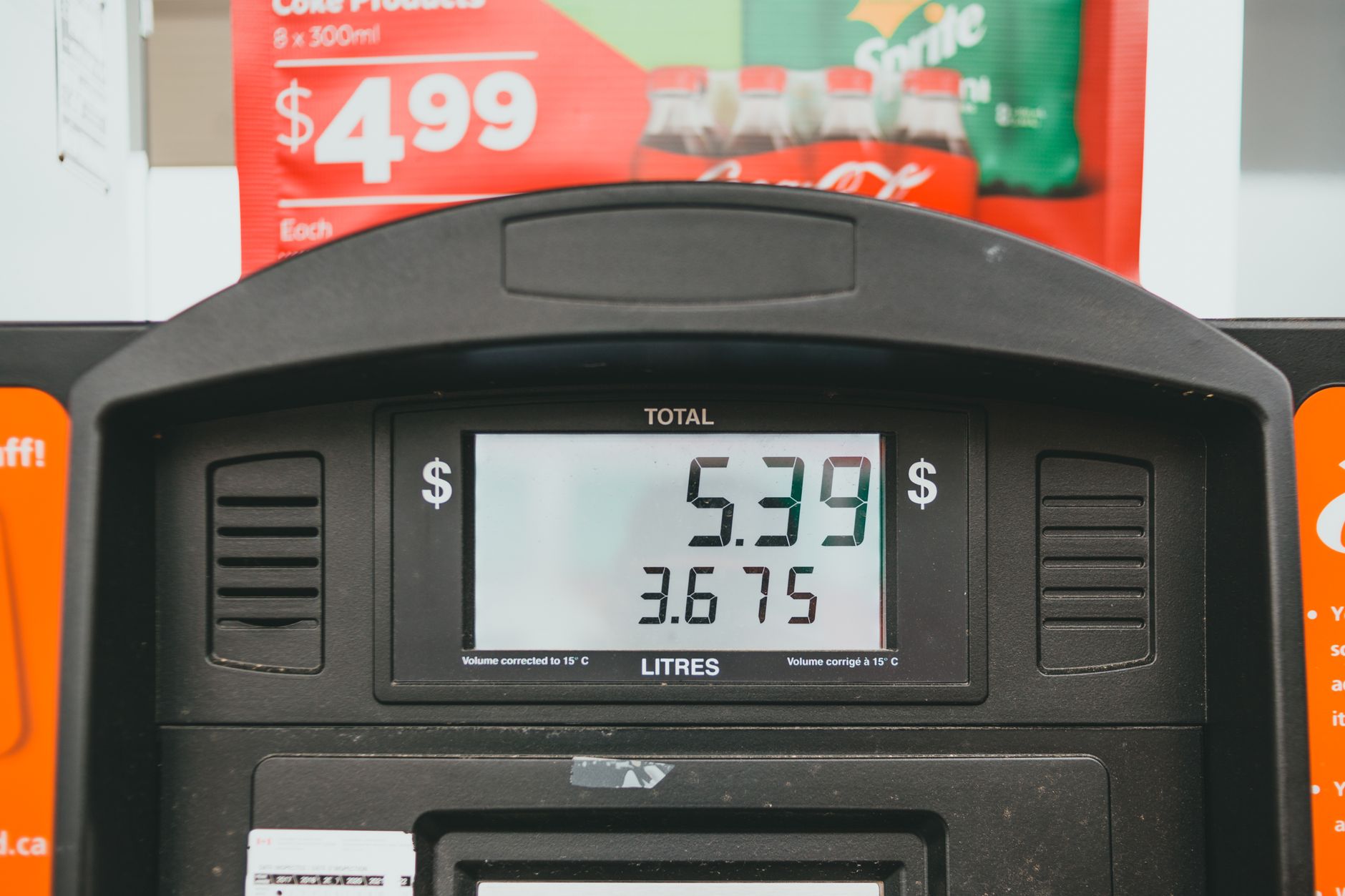
Photo by Erik Mclean / Pexels
Petrol cost more than diesel at Pakistan's pumps for the first time since the country moved to daily fuel pricing, after six consecutive daily increases pushed the petrol price to Rs398.96 a litre effective October 9 — a reversal of the usual order between the country's two benchmark fuels.
Six days, one direction
The streak began with the October 2 revision, which raised petrol by Rs3.26 a litre to Rs390.66, even as October 1's price had actually been a small cut (petrol down 14 paisas, diesel down Rs1.89, to Rs387.40 and Rs400.35 respectively). From there, OGRA's daily notifications kept pushing petrol higher: a further Rs2.10 rise, then smaller increases through the following days, before a Rs1.82 jump to Rs396.65 on October 7 and a Rs2.31 rise to Rs398.96 effective October 9. ProPakistani's running tally put petrol's cumulative increase since the daily mechanism's introduction at Rs85.54 a litre.
Diesel took a different path over the same stretch. High-speed diesel mostly fell across the same six revisions — down as much as Rs1.88 and Rs1.91 a litre on individual days — before ticking back up by 78 paisas to Rs395.72 in the October 9 notification. The net effect, as of October 7's revision, was that diesel (Rs394.94) briefly cost less than petrol (Rs396.65) for the first time under the daily system, a gap that held into the October 9 prices.
A mechanism built for exactly this kind of swing
Pakistan has restructured how it prices fuel twice within a single year: first moving from the long-standing fortnightly review to a weekly one in February 2026, then to the current daily mechanism on July 17, 2026. The federal cabinet approved that second change as international oil prices climbed amid the renewed US-Iran conflict, with the stated goal of passing both increases and decreases through to consumers faster rather than smoothing them into a single, larger fortnightly jump. Officials also argued daily pricing helps on the way down: a drop in global prices now reaches the pump the next business day instead of waiting up to two weeks.
This month's six-day run of petrol increases is the mechanism doing exactly what it was designed to do — react quickly — in a period when the underlying inputs have moved against consumers. OGRA calculates each day's price from a seven-day rolling average of international benchmark rates and the rupee-dollar exchange rate, so a sustained climb in the daily notification reflects a sustained move in those underlying inputs, not a policy decision by any single official.
Why petrol and diesel aren't moving together
Petrol and diesel are priced under the same daily formula but are not economically identical products, which is why one can rise while the other falls in the same week. Pakistan's broader fuel-price volatility this year has tracked the Strait of Hormuz tanker-attack cycle tied to the US-Iran conflict, which has pushed Brent crude sharply higher at several points since the spring. Diesel's price is additionally shaped by the petroleum levy and by demand patterns specific to freight, agriculture and power generation, which can pull it in a different direction than petrol even when both are calculated from the same weekly oil-price average.
What this means for households and transporters
A petrol price higher than diesel inverts what Pakistani consumers have generally experienced for years, when diesel's levy and import structure usually left it the costlier of the two fuels at the pump. For private motorists, who mostly burn petrol, the six-day run directly raises the cost of daily commuting on top of whatever the September relief and subsidy debates over the Rs100-per-litre scheme already priced in. For transporters and farmers, who run on diesel, the same six days brought mostly relief rather than pain — a split that means this particular price cycle has landed asymmetrically across the economy rather than raising costs uniformly the way a flat fortnightly hike once did.
Whether the streak continues depends entirely on where Brent crude and the rupee sit in OGRA's next few seven-day windows — under daily pricing, there is no fixed two-week cycle left to wait out, only the next business day's notification.
Build Better Pakistan's Energy Desk tracks OGRA's daily fuel notifications and will update this piece if the trend reverses.
This article is part of our Energy coverage — Circular debt, load-shedding and the push toward a reliable power grid.
Frequently Asked Questions
- Why is petrol now more expensive than diesel in Pakistan?
- Because of six consecutive daily OGRA price revisions that raised petrol every time while mostly cutting diesel. Petrol rose from Rs387.40 a litre on October 1 to Rs398.96 effective October 9, while diesel moved in the opposite direction on most of those same days, falling to Rs394.94 on October 7 before petrol first became the pricier of the two fuels — a reversal of the usual order, where diesel has typically cost more.
- Why does Pakistan change fuel prices every day now?
- The federal cabinet approved a daily pricing mechanism on July 17, 2026, replacing a weekly system adopted earlier that year, which had itself replaced the long-standing fortnightly review. OGRA now recalculates petrol and diesel prices each business day from a seven-day rolling average of international benchmark prices and the exchange rate, a change officials attributed to oil-market volatility from the renewed US-Iran conflict and its effect on shipping through the Strait of Hormuz.
Related Reading
Islamabad Tells IMF It Will Claw Back Rs110 Billion in Power Dues From Provinces' Own NFC Shares
With power-sector circular debt up Rs61 billion to Rs1.675 trillion, the federal government told the IMF it plans to recover over Rs110 billion in provincial electricity arrears by deducting the money from provinces' National Finance Commission shares — a move provinces have resisted before and that may need their own written consent to execute.
BBP Energy Desk · October 7, 2026 · 4 min
NEPRA to Decide Fate of PM's Industrial Power Package at October 5 Hearing
Pakistan's power regulator holds a public hearing on October 5 to decide whether to suspend or raise the rate under the Prime Minister's Incremental Consumption Package for industry and agriculture, as the government separately seeks Rs25 billion more from consumers for October fuel costs.
BBP Energy Desk · October 4, 2026 · 4 min
Furnace Oil Sales Jumped 740% as Hormuz Disruption Forced Pakistan Off LNG
Pakistan's furnace oil sales surged 740% year-on-year in September as Qatari LNG supplies were disrupted by the Strait of Hormuz closure, pushing generation costs higher and leaving NEPRA weighing a fresh tariff increase for October.
BBP Energy Desk · October 4, 2026 · 4 min