Pakistan Suspends Iran Border Trade, Stranding LPG and Rice Cargo
The Commerce Ministry withdrew an import waiver and Taftan's immigration gate was shut on Saturday, halting commercial trade with Iran and leaving freight loaded with LPG, rice and fresh produce stuck at the border.
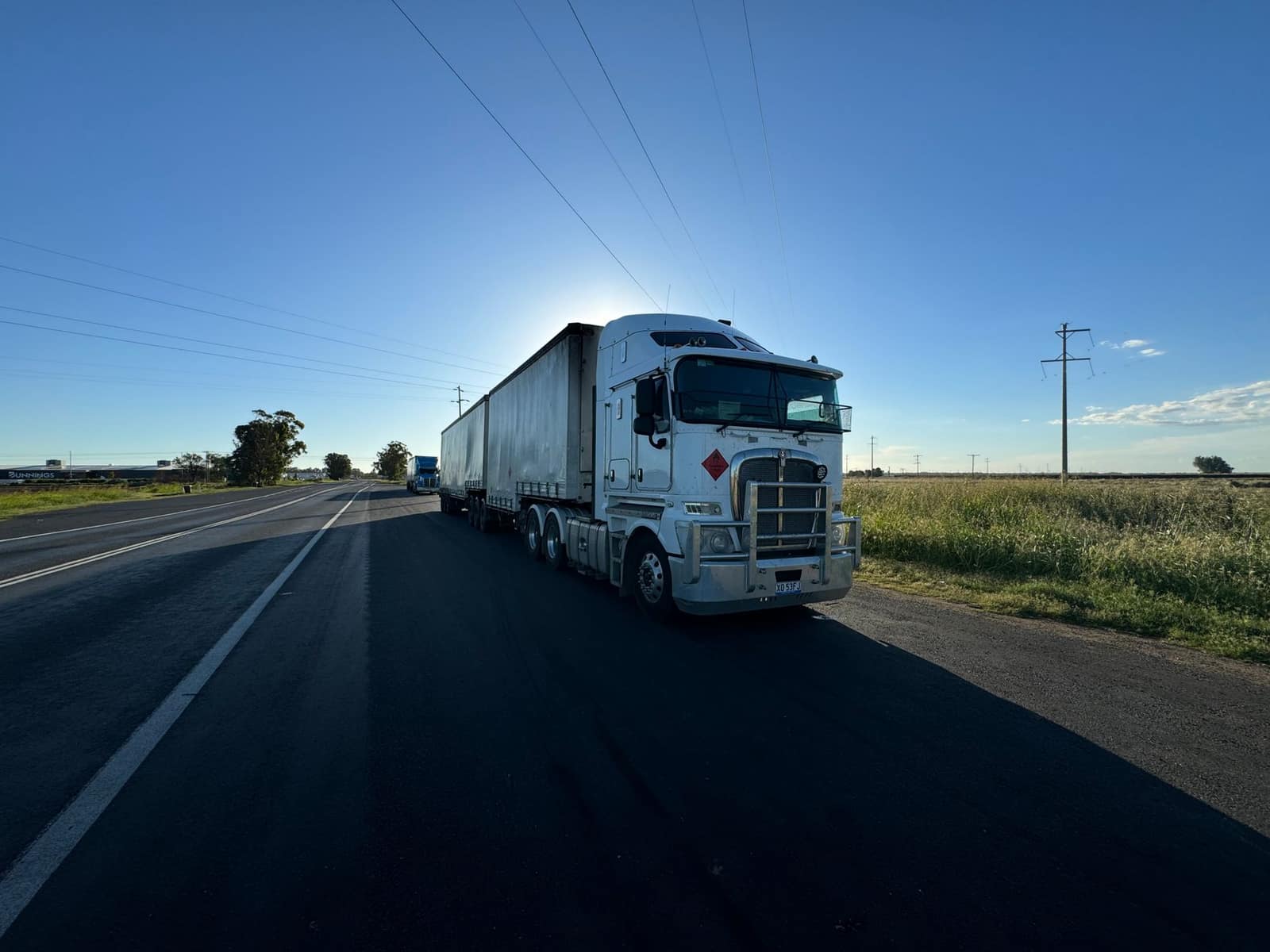
Photo by hitesh Sarain / Pexels
Pakistan suspended commercial trade with Iran at its two main Balochistan border crossings over the weekend, stranding freight loaded with liquefied petroleum gas, rice and fresh produce just as the country heads into a winter already short on LPG supply.
The Commerce Ministry withdrew, with immediate effect on Friday, an order dated October 3 that had extended an Electronic Import Form waiver for goods brought in from Iran. At Taftan, the Federal Investigation Agency's immigration gate was then closed on Saturday on instructions from senior officials in Islamabad, halting cross-border movement there too. Passenger traffic through the Gabd-Rimdan crossing is still running, according to Iran's Wana news agency, but commercial operations have stopped.
What each side is saying
Balochistan government spokesperson Shahid Rind described the closure as temporary, intended to "address security concerns, prevent smuggling, and make the border system more effective." He said officials from both countries were working through administrative issues and the border was likely to reopen soon, and urged the public to disregard unverified social media rumours about the move. Neither he nor any other Pakistani official has said what specifically triggered the decision.
Iran's foreign ministry spokesperson, Esmail Baqaei, called the suspension temporary and attributed it to "certain technical issues and the need to take precautionary measures," adding that authorities on both sides were consulting to restore normal operations. No formal government notification explaining the closure has been issued on the Pakistani side.
Freight and firms caught in the gap
The Quetta Chamber of Commerce and Industry told members to stop placing new import and export orders with Iran until further notice, and to verify Electronic Import Form requirements with the Federal Board of Revenue, the Commerce Ministry and border authorities before resuming any commitments. Traders are warning of potential multi-million-rupee losses, on top of hundreds of freight vehicles now stuck on both sides of the border.
Gwadar Chamber of Commerce and Industry president Jiand Hoot said trade through the Panjgur and Mand-Radig crossings was already close to non-existent because of poor roads and recurring vehicle burnings, leaving Taftan and Gabd-Rimdan as the two crossings still carrying meaningful volume before this weekend's suspension.
Landing on top of an existing LPG squeeze
More than 4,000 tonnes of LPG a day had reportedly been moving through Gabd-Rimdan. That flow stops at a moment when domestic LPG cylinders are already selling near Rs5,000, well above OGRA's notified Rs3,296 maximum, as the closure of the Strait of Hormuz has pushed Pakistan to lean more heavily on alternative supply routes, including the one through Iran. Rice exports moving the other way had also picked up in recent months; both flows are now stalled with the goods already loaded.
Part of a pattern this year
Pakistan-Iran border trade has been disrupted repeatedly through 2026, mostly tied to the wider US-Iran war and the sanctions pressure that has followed it. In October, the Foreign Office adopted broader language on adhering to "all applicable sanctions regimes," a shift from its earlier emphasis on bilateral trade agreements with Tehran, even as Islamabad continued mediating between Washington and Tehran. That earlier piece noted Pakistani customs and banking treatment of Iran-bound trade would be the place to watch for follow-through — this weekend's closure is the first concrete sign of that.
What happens next
Both governments say the suspension is temporary, but neither has given a date for reopening, and the underlying reason for the closure remains undisclosed beyond the general references to security and smuggling. With winter LPG demand rising and freight already stranded on both sides, how quickly Gabd-Rimdan and Taftan reopen will matter directly for prices at the pump for cylinders, not just for the traders waiting at the gate.
Build Better Pakistan's Economy Desk is tracking the Pakistan-Iran border closure and will update this piece when trade resumes.
This article is part of our Economy coverage — Inflation, growth, trade and the everyday cost of living across Pakistan.
Frequently Asked Questions
- Why did Pakistan suspend trade with Iran at Taftan and Gabd-Rimdan?
- Pakistan's Commerce Ministry withdrew an October 3 order that had extended an import waiver for goods from Iran, and the Taftan immigration gate was closed on instructions from officials in Islamabad. Balochistan government spokesperson Shahid Rind said the move was meant to address security concerns, prevent smuggling and tighten the border system. Iran's foreign ministry called it a temporary step over technical issues.
- Does the closure affect Pakistan's LPG shortage?
- Yes. More than 4,000 tonnes of LPG a day reportedly moved through the Gabd-Rimdan crossing before the suspension, on top of freight carrying rice and fresh produce now stranded at the border. The halt adds to an existing squeeze on LPG supply caused by disruption to Strait of Hormuz shipping routes.
Trending Now
- 01
LPG Cylinders Sell at Rs5,000, Almost 52pc Above Official Rate, as Government Flags Hoarding
October 18, 2026
- 02
One in Three Adults in Pakistan Has a Mental Disorder, First National Survey Finds
October 18, 2026
- 03
Pakistan Says Afghanistan Talks Cannot Be Unconditional, Demands Verifiable End to Attacks
October 17, 2026
- 04
Petrol Falls Rs3.93 to Rs386.30 a Litre for the Weekend, Diesel Holds Steady
October 17, 2026
- 05
Aurangzeb Says Pakistan Has Enough Energy Through November, With Winter Still to Plan For
October 17, 2026
Weekly Briefing
The week's most important stories on Pakistan's biggest challenges, in your inbox.
Related Reading
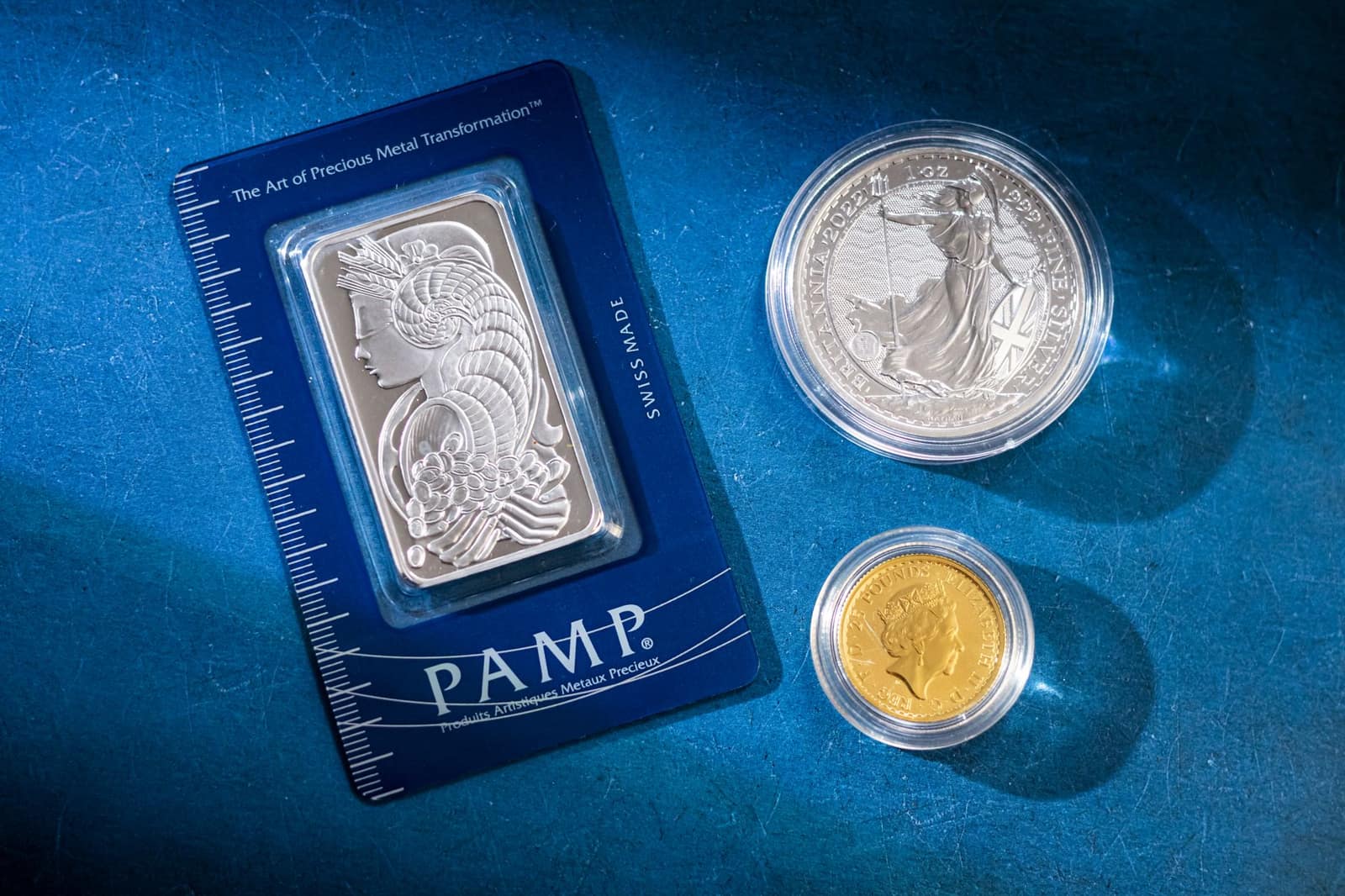
Silver Hits All-Time High in Pakistan as Gold Rises to Rs440,636 a Tola
Silver touched an all-time high of Rs6,256 per tola in Pakistan on October 16, while gold rose Rs2,800 to Rs440,636 per tola, tracking a jump in the international price to $4,181 an ounce.
BBP Economy Desk · October 17, 2026 · 3 min

Pakistan to Chair IMF and World Bank Boards in 2027, First Time Since 1953
Economic Affairs Minister Ahad Khan Cheema was named incoming chair of the Boards of Governors of the IMF and World Bank Group for 2027, Pakistan's first turn in the role in 74 years.
BBP Economy Desk · October 16, 2026 · 3 min
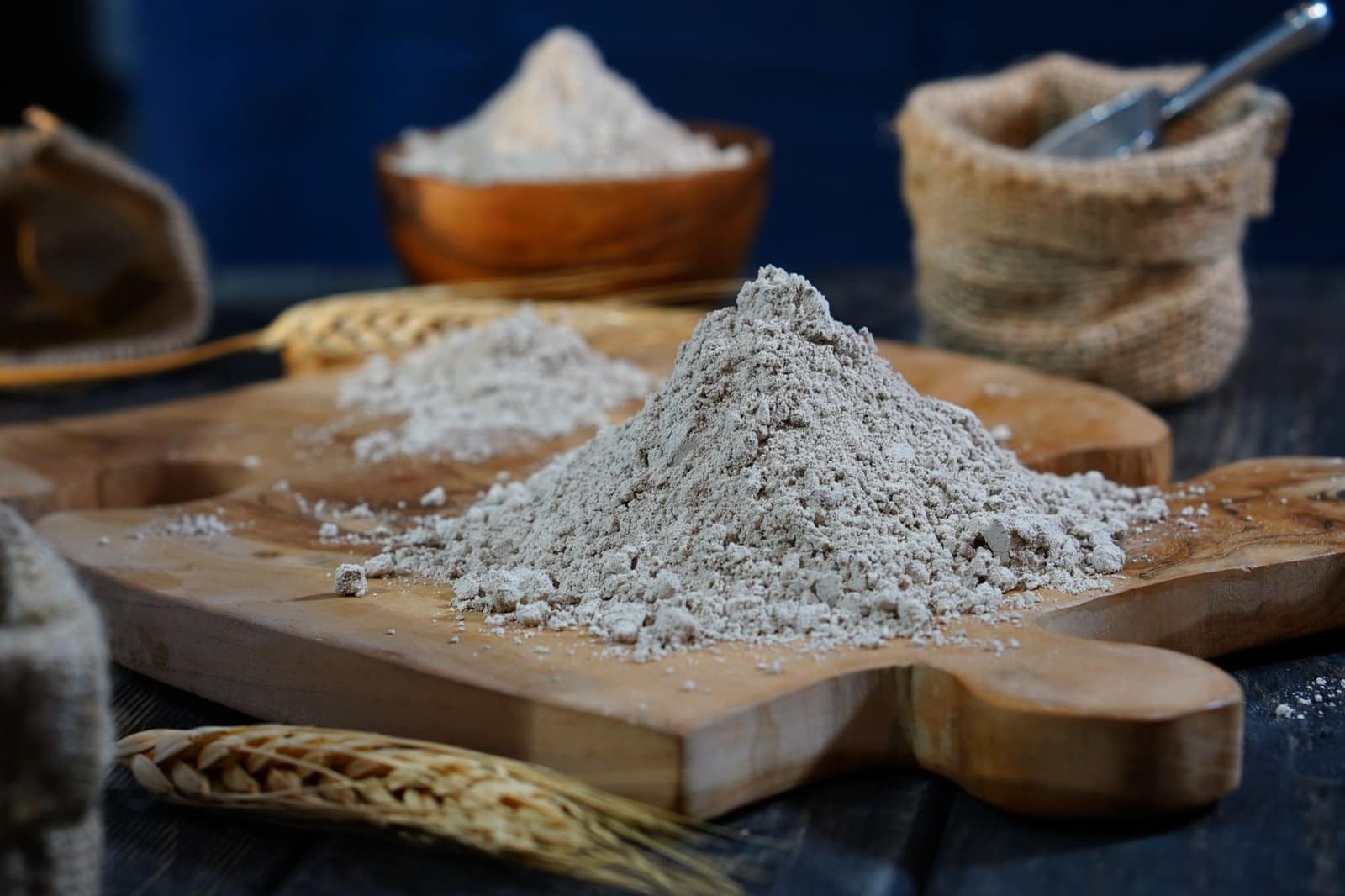
Weekly Inflation Eases to 11.38% as Tomato Prices Crash, Wheat Flour Keeps Rising
The Pakistan Bureau of Statistics' Sensitive Price Indicator rose 11.38% year-on-year in the week ended October 15, down from 11.97% the week before, as a sharp fall in tomato and onion prices offset continued rises in wheat flour, chicken and pulses.
BBP Economy Desk · October 16, 2026 · 3 min