Pakistan Quietly Hardens Its Language on US Sanctions Against Iran
Pakistan's Foreign Office said on October 1 it would adhere to 'all applicable sanctions regimes' under international and domestic law — broader wording than its earlier line on bilateral trade commitments with Tehran, even as Islamabad keeps mediating the US-Iran war.

Photo by Werner Pfennig / Pexels
Pakistan's Foreign Office signalled a cautious but noticeable shift on October 1, 2026, in how it talks about US sanctions against Iran — adopting broader language than it has used in past months, even as Islamabad continues to serve as the lead mediator in the US-Iran war.
What changed, in the Foreign Office's own words
At the ministry's weekly briefing, spokesperson Sajjad Haider Khan was asked about Pakistan's position on Washington's latest round of sanctions targeting Iran. He responded: "Pakistan is a responsible member of the international community and adheres, and shall continue to adhere, to all applicable sanctions regimes in accordance with international and domestic laws."
The wording matters more than it might first appear. When the US announced an earlier round of sanctions against Iran, then-spokesperson Tahir Andrabi had framed Pakistan's position narrowly: "About trade with Iran, Pakistan is following international law and our bilateral trade agreements with Iran." That formulation placed the emphasis on Pakistan's existing legal commitments to Tehran. The new formulation instead invokes "all applicable sanctions regimes" and explicitly adds "domestic law" to the framework — a broader standard that, at least rhetorically, leaves more room for Pakistan to treat unilateral US sanctions as binding.
Why the ambiguity is doing a lot of work
The spokesperson did not explain what Islamabad considers "applicable," and that gap is significant. Pakistan has previously said, through earlier spokespeople, that it was "not obliged" to comply with sanctions imposed unilaterally rather than through the United Nations Security Council — a position Pakistani officials later described as "misconstrued" when it drew attention, insisting the country does not comment on or interpret the US sanctions regime at all. The October 1 statement does not formally reverse that position, but it is less categorical than it, and analysts tracking the shift have noted it comes as Washington has been pressing Islamabad directly over an estimated $800 million in informal Pakistan-Iran border trade that sanctions could complicate.
The tension with Pakistan's mediator role
The shift lands awkwardly alongside Pakistan's other, very public role in the region: Prime Minister Shehbaz Sharif and Chief of Defence Forces Field Marshal Asim Munir have been credited by President Trump himself with brokering the ceasefire arrangements that have punctuated the US-Iran war, including hosting talks tied to safe passage through the Strait of Hormuz. Pakistan has also previously stated it would not allow its land or airspace to be used for attacks on Iran, and expressed "complete solidarity" with Tehran when the conflict first broke out. A government positioning itself as an honest broker between Washington and Tehran has an obvious interest in not being seen as tilting toward either side's enforcement demands — which is likely why the Foreign Office left itself room to describe "applicable" sanctions however suits the moment, rather than committing to a specific list.
No change yet on the ground
Crucially, nothing about actual Pakistan-Iran trade has changed as a result of this statement. The government has not announced any suspension of commerce with Iran, nor confirmed it is adopting Washington's sanctions list as its own. Pakistan's Treasury-adjacent exposure to US sanctions enforcement has already shown up elsewhere this year — Washington sanctioned a Pakistan-linked front, the Cavalier Group, over alleged Iran procurement networks in September — which gives the October 1 language a plausible practical motivation distinct from diplomatic signalling alone: avoiding Pakistani entities becoming secondary targets of US enforcement actions tied to Iran.
What to watch next
Whether this is a one-off rhetorical hedge or the start of firmer enforcement will likely show up first in how Pakistani customs and banking authorities treat Iran-bound trade and remittances, rather than in future Foreign Office statements. Given Islamabad's stake in keeping its mediator credibility intact with Tehran while also managing a US relationship that Trump has repeatedly praised in personal terms, the government has strong incentives to keep the ambiguity exactly as unresolved as it is for as long as it can.
Build Better Pakistan's Politics Desk is tracking Pakistan's position on US-Iran sanctions as the broader war in the region continues.
This article is part of our Politics & Governance coverage — Institutions, local government and how power actually gets exercised.
Frequently Asked Questions
- What exactly did Pakistan's Foreign Office say about US sanctions on Iran?
- At its weekly media briefing on October 1, 2026, Foreign Office spokesperson Sajjad Haider Khan said: "Pakistan is a responsible member of the international community and adheres, and shall continue to adhere, to all applicable sanctions regimes in accordance with international and domestic laws." That formulation brings in both "domestic law" and "all applicable sanctions regimes" — language broader than the Foreign Office's previous emphasis on international law and Pakistan's bilateral trade agreements with Iran.
- Does this mean Pakistan is halting trade with Iran or joining the US sanctions campaign?
- No. Despite the shift in language, the government has not announced any halt to trade with Iran and has not said it is formally joining Washington's sanctions campaign. The spokesperson did not clarify what Islamabad considers "applicable," leaving ambiguity over whether the change is rhetorical or a precursor to tighter enforcement.
Related Reading
PTI's Long March Has a Five-Day Route Now — Karak, Kohat, Peshawar, Charsadda, Then Islamabad
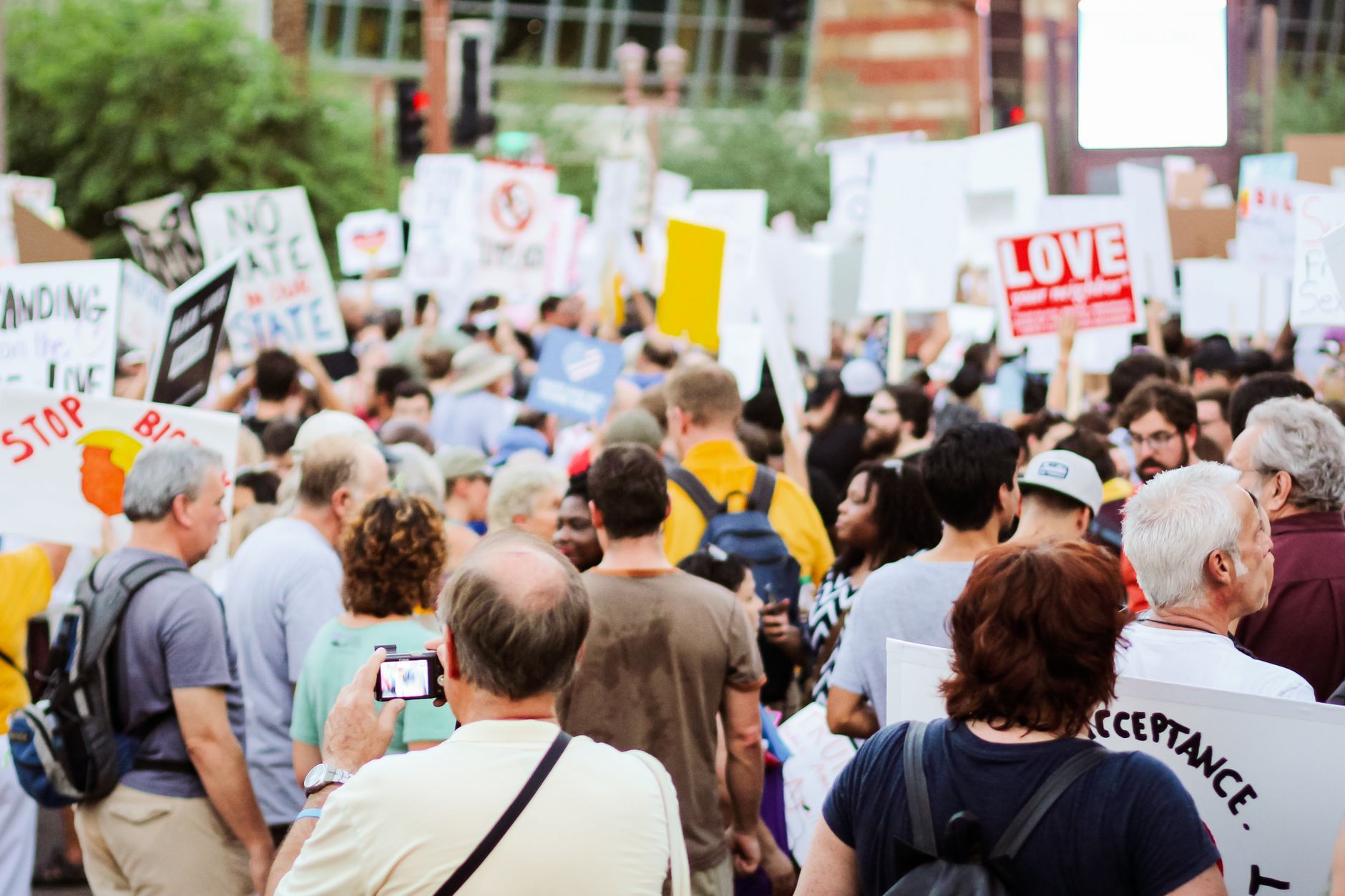
KP Chief Minister Sohail Afridi has laid out a day-by-day schedule for PTI's long march, which spent its first night near Karak after leaving Lakki Marwat on October 4. The convoy is due in Kohat on October 5, Peshawar on October 7 and Charsadda on October 8, each stop adding fresh marchers before the push toward Islamabad.
BBP Politics Desk · October 5, 2026 · 4 min
Talks Collapse for Good, and PTI's Long March Finally Leaves Lakki Marwat
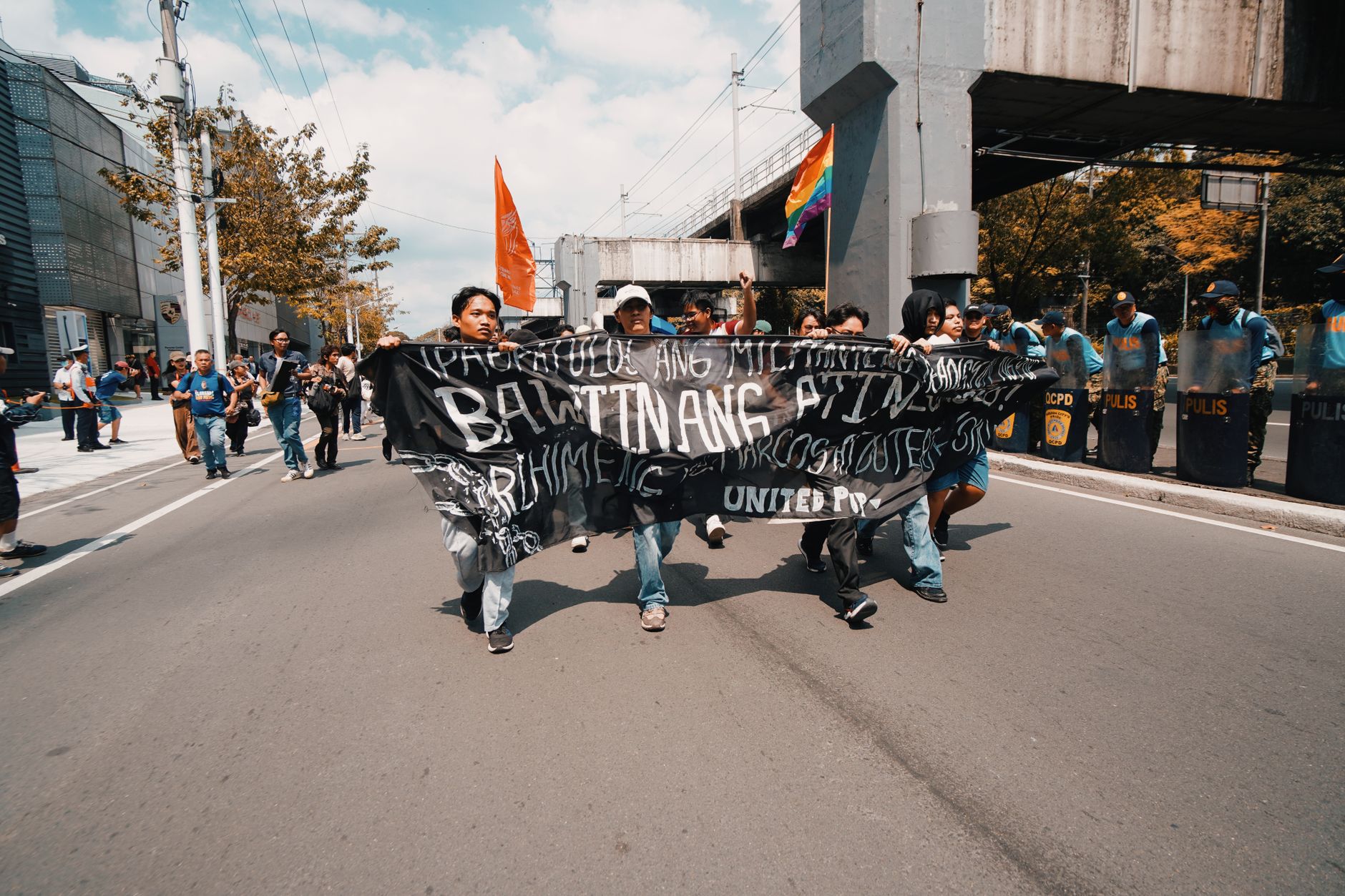
Government-PTI negotiations that reportedly settled 95 percent of their points broke down for good in the early hours of October 4 over Khyber Pakhtunkhwa's refusal to commit to counterterrorism cooperation. Hours later, PTI's long march departed Lakki Marwat as Rana Sanaullah warned it would not be allowed into Islamabad.
BBP Politics Desk · October 4, 2026 · 4 min

Second Round of Government-PTI Talks Ends Without a Deal, Hours Before the October 4 March
A second round of talks between the government and PTI ran nearly three hours late and broke up Saturday without an agreement, even as PTI's own core committee discussed pushing back its October 4 march date rather than holding firm on it.
BBP Politics Desk · October 3, 2026 · 3 min