A Quarter of Cancer Patients at Karachi's JPMC Can't Finish Treatment, Doctors Say
Doctors at Jinnah Postgraduate Medical Centre say about 25 percent of cancer patients abandon treatment before it is complete, mostly over cost, with full care running Rs3 million to Rs4 million.
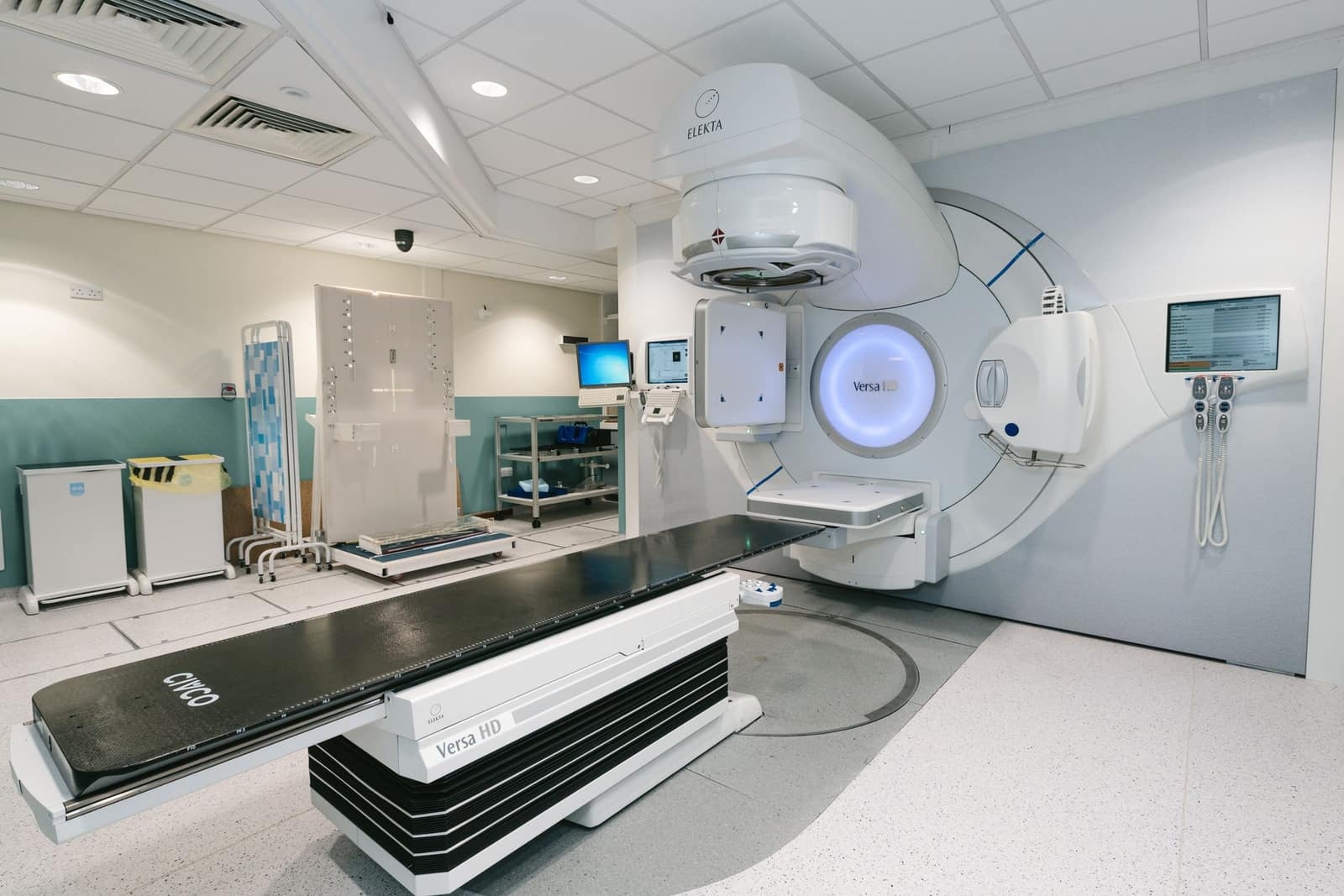
Photo by Jo McNamara / Pexels
About a quarter of cancer patients at Jinnah Postgraduate Medical Centre (JPMC) in Karachi are unable to complete their treatment, mainly because of cost, doctors said at the hospital's two-day Breastcon 2026 conference, which concluded on October 12.
Dr Ghulam Haider, head of JPMC's oncology department, said complete cancer care — covering surgery, radiotherapy, medicines and injections — costs Rs3 million to Rs4 million, and that managing complications from chemotherapy can push the bill higher still. JPMC provides surgery and radiotherapy free of charge, but newer immunotherapies and targeted medicines fall outside that coverage.
Patients who run out of money, then come back sicker
Haider said cancer care at JPMC leans heavily on philanthropists, charities and Zakat funds, none of which can be counted on consistently. He described a pattern doctors see repeatedly: patients exhaust what support they can gather, stop coming in, and return months later with tumours that have grown substantially larger in the interim. He called for permanent government assistance so patients can finish a course of treatment once they start it, rather than depending on funding that varies month to month — the same kind of out-of-pocket exposure this desk has tracked in household budgets more broadly, where a single large medical bill can undo years of careful saving.
Delay starts before the cost does
Dr Saima Zahoor, assistant professor of medical oncology at JPMC and the conference's co-chair, said more than 60 percent of breast cancer patients face delays in diagnosis or treatment — and that the delay often begins before anyone has discussed a bill. "Social pressure, fear, misconceptions and treatment costs contribute to these delays," she said, pointing to patients who fear a biopsy itself will spread the cancer and turn to alternative treatments instead. She added that HER2-positive breast cancer, which can require expensive targeted medicines, sometimes pushes patients toward Baitul Mal or private charities for help — a detour that itself delays care.
Dr Syeda Zareen Raza, a JPMC general surgeon, said some patients are candidates for breast-conserving or oncoplastic surgery, but fears about appearance, hair loss and social attitudes toward the disease discourage people from pursuing treatment at all, independent of what it costs.
What other hospitals are asking for
Dr Sana Zeeshan of Aga Khan University Hospital called for a national breast cancer registry that would combine records from public, private and charitable hospitals, tracking disease stage, treatment, recurrence and survival in one place — something Pakistan's fragmented hospital data currently makes difficult to assemble. Dr Najeeb Naimatullah of Shaukat Khanum Hospital asked for organised screening programmes, wider access to quality local and generic medicines, and treatment plans built around what a patient can actually afford, rather than a single standard protocol regardless of cost. Dr Tariq Rafi, chairman of the Sindh Higher Education Commission and the conference's chief guest, urged closer cooperation between institutions on screening and research, and offered the commission's funding support to researchers working on the disease.
The financing gap this points back to
The pattern doctors described at Breastcon mirrors a wider problem in Pakistani health financing: public spending on health remains low relative to need, pushing a disproportionate share of serious illness costs directly onto patients and their families, a dynamic this desk has traced in maternal health outcomes as well. For cancer specifically, the gap shows up not as a missing diagnosis or a missing surgeon, but as a treatment that starts, stalls for lack of money, and resumes later against a larger tumour — a sequence that is, by definition, more expensive and less likely to succeed than finishing the course the first time.
Build Better Pakistan's Health Desk covers public health financing and access across the country.
This article is part of our Health coverage — Public health systems, maternal care and health equity.
Frequently Asked Questions
- Why do cancer patients at JPMC abandon treatment?
- Doctors at the hospital's Breastcon 2026 conference cited the cost of newer immunotherapies and targeted medicines, chemotherapy complications, and gaps in medicine supplies and philanthropic funding, alongside social pressure and fear that keep some patients from seeking care in the first place.
- How much does cancer treatment cost in Pakistan?
- Dr Ghulam Haider, head of JPMC's oncology department, said complete cancer care — covering surgery, radiotherapy, medicines and injections — costs Rs3 million to Rs4 million, and managing chemotherapy complications can push that higher.
Trending Now
- 01
IRSA Approves 22% Water Shortage for Punjab and Sindh This Rabi Season
October 13, 2026
- 02
Parliament Takes Up KP Emergency as PPP Backs It and JUI-F Calls It Unconstitutional
October 13, 2026
- 03
KSE-100 Sheds Nearly 2,000 Points as KP Emergency Rattles Investors
October 13, 2026
- 04
PTI's Own Secretary General Says He Doesn't Know Where Afridi Is
October 12, 2026
- 05
Pakistani Universities Climb to 56 in Global Rankings, Still Miss the Top 400
October 12, 2026
Weekly Briefing
The week's most important stories on Pakistan's biggest challenges, in your inbox.
Related Reading
Sindh's Mpox Count More Than Doubles to 93 in a Week, With 11 Deaths Now on the Record
Sindh's 2026 mpox tally jumped from 43 cases in late September to 93 by October 7, with the death toll climbing to 11 — a surge driven by a critically ill 50-year-old dialysis patient from Nawabshah and a province-wide pattern that keeps adding roughly 20 cases a month.
BBP Health Desk · October 8, 2026 · 5 min
Dengue Cases Explode Across Four Provinces as October Daily Counts Dwarf September's Totals
Punjab, Sindh, Khyber Pakhtunkhwa and Islamabad are all reporting several hundred new dengue cases a day, with three more deaths confirmed — a jump so steep that single-day case counts now exceed what Punjab recorded for the whole of September.
BBP Health Desk · October 7, 2026 · 4 min
Pakistan's Sixth Polio Case of 2026 Breaks Out of Bannu, Turns Up in Khyber District Instead
A seven-year-old boy from Union Council Ghundi-A in Khyber district's Jamrud tehsil is Pakistan's sixth confirmed wild poliovirus case of 2026, the National Emergency Operations Centre said October 5 — the first of this year's cases to come from outside the Bannu division that has produced four of the previous five.
BBP Health Desk · October 5, 2026 · 4 min