KSE-100 Sheds Nearly 2,000 Points as KP Emergency Rattles Investors
The KSE-100 closed down 1,964.87 points, or 1.18%, at 165,124.41 on October 12 after the federal government imposed governor's rule and emergency in Khyber Pakhtunkhwa, with banks and oil and gas stocks leading the sell-off.

Photo by Alex Luna / Pexels
Pakistan's benchmark KSE-100 index closed down 1,964.87 points, or 1.18%, at 165,124.41 on October 12, 2026, as brokers pointed to the previous day's imposition of governor's rule in Khyber Pakhtunkhwa as the main trigger for the sell-off.
The index was volatile through the session, trading between an intraday low of 165,168.49 and a high of 166,988.32, before sellers took control into the close. Trading volume rose to 362.9 million shares worth Rs14.50 billion, up from 309.4 million shares the previous session. Of the 500 companies traded, 322 fell, 135 rose and 43 were unchanged.
What brokers pointed to
Fawad Basir, head of research at KTrade, attributed the weakness to a combination of political uncertainty following the federal cabinet's decision to impose governor's rule and emergency measures on Khyber Pakhtunkhwa, which President Asif Ali Zardari approved on October 11, and wider geopolitical anxiety. Oil prices had eased earlier in the session on expectations of additional Russian supply after US President Donald Trump said Russia and Ukraine had agreed to halt strikes on each other's energy facilities, but those gains were tempered by fears of a wider regional conflict after a Houthi strike on Riyadh's King Khalid International Airport days earlier. Basir also flagged elevated commodity prices as a factor keeping inflation higher than the base effect alone would suggest, which he said could influence the State Bank's next monetary policy decision, alongside exchange-rate and interest-rate pressure tied to the Middle East crisis and Pakistan's ongoing IMF tranche review.
Where the selling was concentrated
Banking stocks drove the largest share of the decline: the sector's 14 listed banks together cost the index roughly 734 points, more than a third of the day's total fall, according to index-weighted calculations from PSX data. United Bank was the single largest drag, followed by Oil and Gas Development Company, Habib Bank, Meezan Bank and Lucky Cement. KTrade also noted broad-based selling across oil marketing companies, automobile assemblers, cement, power, commercial banks and technology stocks. Treet Corporation led trading volume with 27.4 million shares changing hands, gaining Rs0.37 to close at Rs24.09, one of the few counters to finish higher.
No official statement from regulators
Neither the Pakistan Stock Exchange, the Securities and Exchange Commission of Pakistan, nor the State Bank of Pakistan issued a statement addressing Monday's session. That leaves brokers' own read on the day's trigger as the only public account of what moved the market, a pattern consistent with how PSX swings tied to earlier bouts of political uncertainty and oil-driven volatility from the Hormuz tanker attacks have also gone unaddressed by regulators this year.
What to watch
KTrade said the market's near-term direction is likely to stay volatile, tied to how the political situation in KP develops and to oil prices, which have moved sharply on Gulf security news through much of 2026. Further easing in crude prices or progress in US-Iran engagement could support equities, the firm said, while renewed regional escalation or a deepening of the KP standoff could extend the current bearish trend. The index remains 5.13% lower since the start of 2026, even after a rally earlier in the year.
Build Better Pakistan's Markets Desk tracks PSX trading sessions and the policy and geopolitical news that moves them.
This article is part of our Economy coverage — Inflation, growth, trade and the everyday cost of living across Pakistan.
Frequently Asked Questions
- How much did the KSE-100 fall on October 12?
- The index closed down 1,964.87 points, or 1.18%, at 165,124.41, after trading as low as 165,168.49 and as high as 166,988.32 during the session, according to PSX data.
- Why did the market fall that day?
- Brokers linked the sell-off to the federal government's decision to impose governor's rule and a state of emergency in Khyber Pakhtunkhwa, approved by President Asif Ali Zardari on October 11. Analysts at KTrade also cited geopolitical tension after a Houthi strike on Riyadh's airport, though easing oil prices on hopes of a Russia-Ukraine energy truce offered some offsetting support.
Trending Now
- 01
IRSA Approves 22% Water Shortage for Punjab and Sindh This Rabi Season
October 13, 2026
- 02
Parliament Takes Up KP Emergency as PPP Backs It and JUI-F Calls It Unconstitutional
October 13, 2026
- 03
PTI's Own Secretary General Says He Doesn't Know Where Afridi Is
October 12, 2026
- 04
Pakistani Universities Climb to 56 in Global Rankings, Still Miss the Top 400
October 12, 2026
- 05
Petition Filed Against KP Emergency as Lahore Lawyers Plan Supreme Court Case
October 12, 2026
Weekly Briefing
The week's most important stories on Pakistan's biggest challenges, in your inbox.
Related Reading

Aurangzeb Says Pakistan Could Raise Over $1 Billion From Privatisation This Year
Finance Minister Muhammad Aurangzeb told Reuters in Bangkok that five or six state entities could be privatised this fiscal year for upwards of $1 billion, and that he still expects growth above 4 percent despite elevated oil prices.
BBP Economy Desk · October 12, 2026 · 4 min
Textile Exporters Warn of 'Unprecedented' Export Decline This Quarter
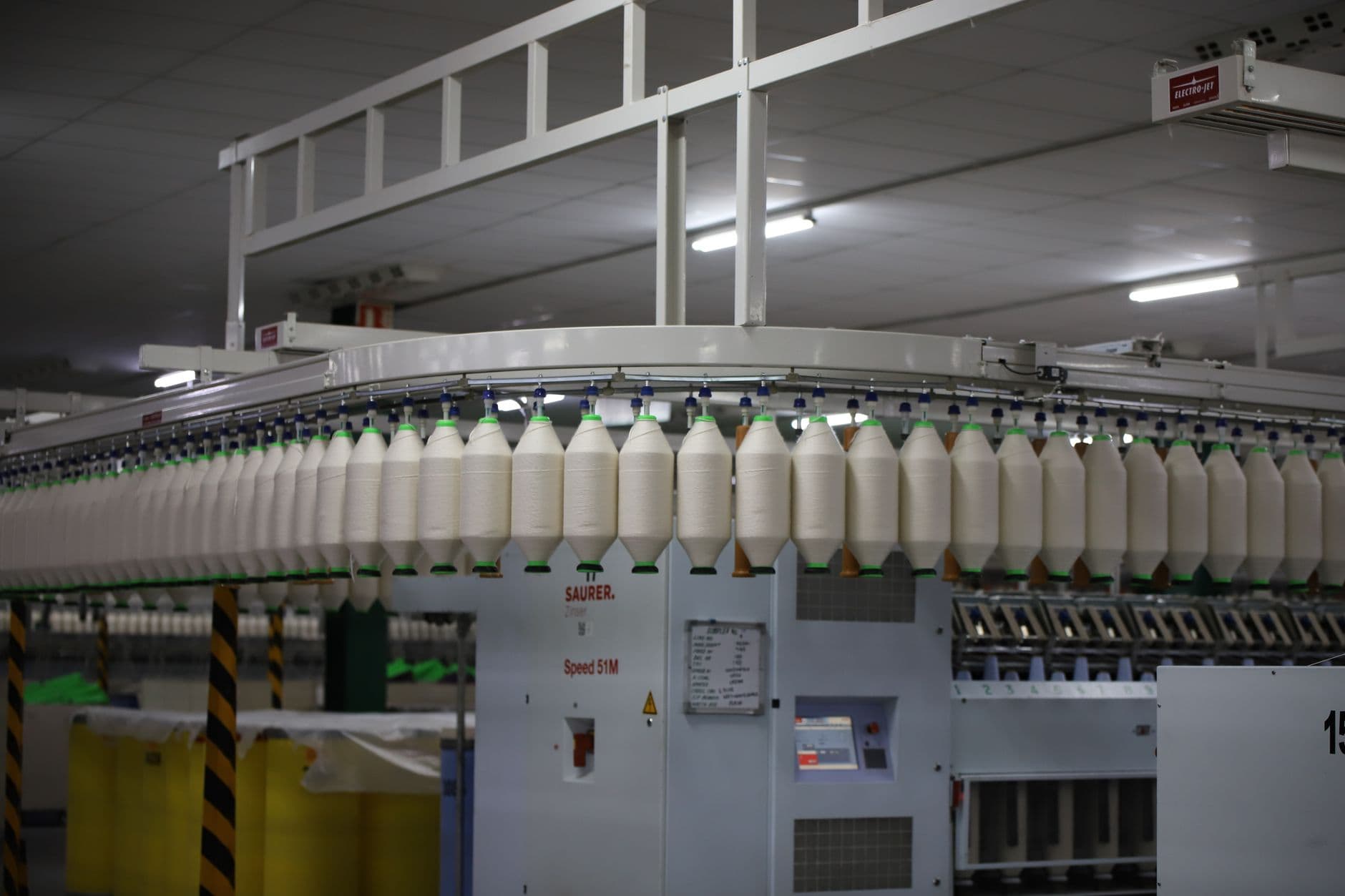
The Pakistan Textile Exporters Association has warned of what it calls an unprecedented decline in exports for the October-December quarter, citing weaker Western demand, sea freight costs that have more than doubled, and a promised financing-rate cut that has not been implemented.
BBP Economy Desk · October 11, 2026 · 4 min
PIA Pauses Riyadh Flights as Houthi Strikes Ground 42 Pakistan-Saudi Services
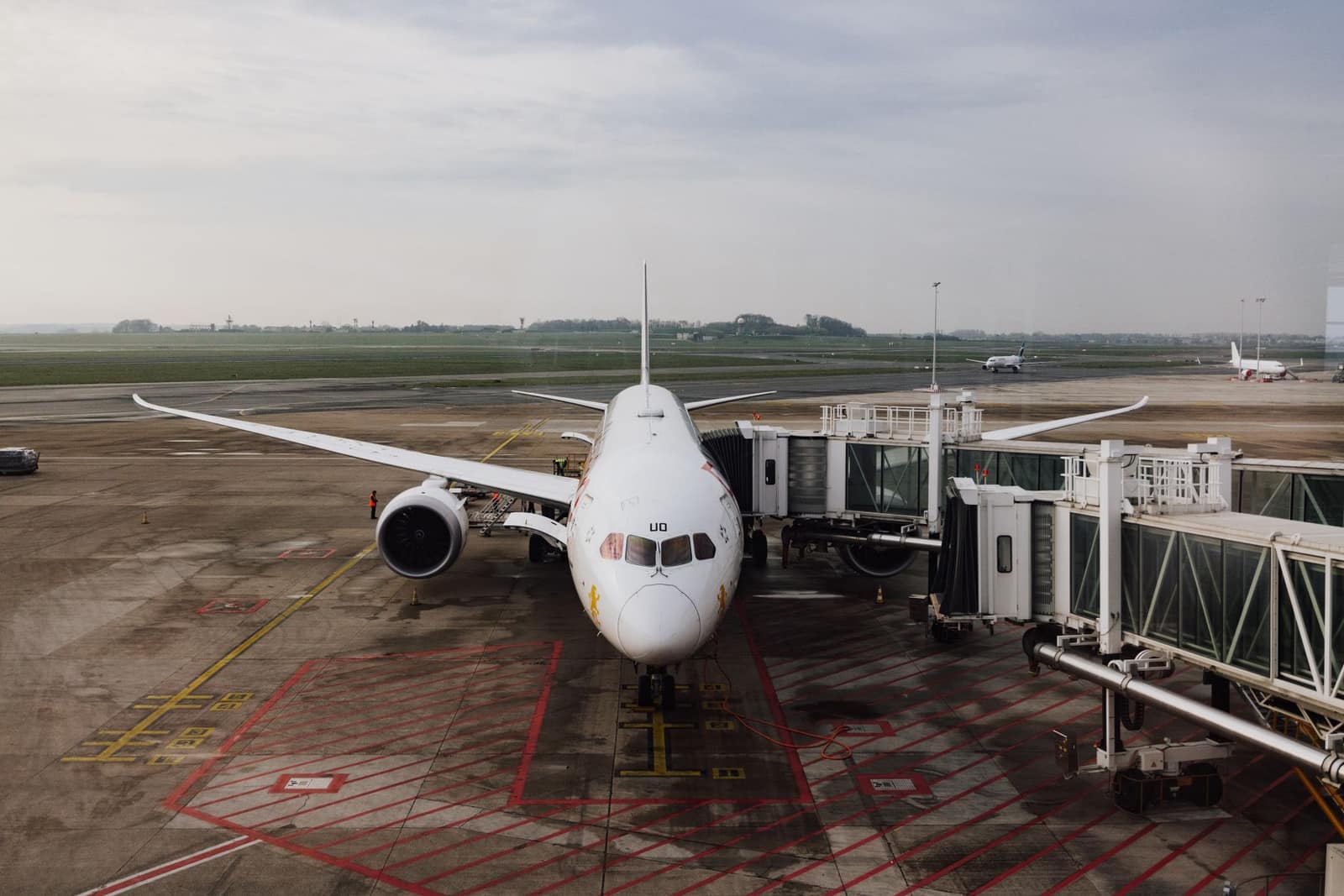
Pakistan International Airlines suspended flights to Riyadh and cancelled PK-753 and PK-754 on October 9-10, as Houthi attacks on Saudi airports triggered 42 cancellations and 68 delays across Lahore, Karachi and Islamabad.
BBP Economy Desk · October 10, 2026 · 3 min