Pakistan's Army Says Kandahar's Taliban Governor Hosted a Summit of Its Enemies. Kabul Calls It Propaganda.
DG ISPR Lt Gen Ahmed Sharif Chaudhry told reporters on October 1 that Kandahar's Taliban-appointed governor hosted representatives of the Balochistan Liberation Army, al-Qaeda in the Indian Subcontinent and the Hafiz Gul Bahadur group on August 26, with Afghan and Indian intelligence help. The governor's office denies any such meeting took place.
Photo by Ann Perkas / Pexels
Pakistan's military has accused the Taliban-appointed governor of Kandahar of personally hosting representatives of three of the groups Pakistan blames for its deadliest wave of attacks in years, in a claim that also implicates Indian intelligence — and that Kabul has flatly rejected as fabricated.
What ISPR told reporters
Lieutenant General Ahmed Sharif Chaudhry, Pakistan's Director-General of Inter-Services Public Relations, said at a televised press conference in Rawalpindi on October 1 that a meeting took place in Kandahar on August 26, hosted by the province's Taliban-appointed governor, Mullah Shirin Akhund. According to Chaudhry, those in attendance included representatives of the Balochistan Liberation Army (BLA), al-Qaeda in the Indian Subcontinent (AQIS), and the Hafiz Gul Bahadur group, a faction Pakistan links to the banned Tehreek-i-Taliban Pakistan (TTP). He said the purpose was to coordinate escalated attacks inside Pakistan, and alleged that Afghan and Indian intelligence officials had helped arrange the gathering. Chaudhry accused Afghanistan's Taliban government more broadly of "abetting and sponsoring terrorism" and said Pakistan would take whatever measures were necessary to protect its citizens.
Pressed on how a secular, Baloch-nationalist separatist group like the BLA would cooperate with Islamist militant outfits it has little ideological common ground with, Chaudhry argued that money and Taliban facilitation were the glue, not shared ideology — framing the alleged meeting as transactional rather than doctrinal.
Kabul's response
Kandahar's governor's office rejected the allegation outright, calling it "propaganda" and denying that any such meeting took place. A senior Taliban official went further, saying Pakistani military circles were using baseless claims of this kind to justify attacks that have killed civilians inside Afghanistan — a reference to the running dispute over cross-border Pakistani airstrikes, including the September 30 strikes on Kunar and Helmand that Kabul says killed nine civilians while Pakistan says killed 22 militants. Chaudhry did not publicly present documentary evidence for the Kandahar claim, nor did he explain how Pakistani intelligence learned of the gathering, and none of the allegations — on either side — have been independently verified.
Why the timing and the cast of names matters
The claim arrived the same week Pakistan's military separately used a press conference to rebut an Indian claim about a soldier India's army said it had killed as a Lashkar-e-Taiba commander in occupied Kashmir, only for Pakistan to produce him alive in Rawalpindi. Taken together, the week's messaging from ISPR pushed a consistent line: that India is an active hand behind the violence Pakistan is fighting on two fronts, Kashmir and the Afghan border alike. Naming BLA, AQIS and Hafiz Gul Bahadur specifically — rather than referring to militancy in general terms — also matters because it ties three groups Pakistan treats as distinct threats (a Baloch separatist insurgency, a transnational jihadist network, and a TTP-aligned faction) into a single alleged command structure operating with Kabul's knowledge.
The backdrop of a bloodier year
The allegation lands against a documented surge in violence. A Centre for Research and Security Studies count found violence-linked fatalities across Pakistan jumped 83 percent in the third quarter of 2026 compared with the previous quarter, with Balochistan and Khyber Pakhtunkhwa together accounting for 98 percent of the dead — the same two theatres where BLA and TTP-aligned violence, respectively, has concentrated. Pakistan's security establishment has consistently tied that surge to sanctuary across the Afghan border, a position Kabul has rejected in every instance since fighting between the two governments escalated in February.
What to watch next
Neither government has signaled it will produce further evidence or walk back its position, which means the Kandahar meeting claim is likely to join a long list of competing, unverified narratives that have defined the Pakistan-Afghanistan relationship since February's escalation — shaping the political mood around each side's next move without settling the underlying factual dispute.
Build Better Pakistan's Security Desk is tracking claims and counterclaims along the Pakistan-Afghanistan border and will update this piece if either side presents further evidence.
This article is part of our Security coverage — Public safety, policing and community trust.
Frequently Asked Questions
- What did Pakistan's military actually allege, and who denied it?
- DG ISPR Lt Gen Ahmed Sharif Chaudhry said at an October 1 press conference in Rawalpindi that Kandahar's Taliban-appointed governor, Mullah Shirin Akhund, hosted representatives of the Balochistan Liberation Army, al-Qaeda in the Indian Subcontinent and the Hafiz Gul Bahadur group — which Pakistan links to the banned Tehreek-i-Taliban Pakistan — at a meeting in Kandahar on August 26 to plan escalated attacks inside Pakistan. He further alleged Afghan and Indian intelligence officials helped arrange it. The Kandahar governor's office rejected the claim as baseless, calling it propaganda meant to justify Pakistani strikes on Afghan soil, and said no such meeting occurred.
- Did Pakistan present evidence for the claim?
- No. Lt Gen Chaudhry did not publicly present documentary evidence of the meeting and did not explain how Pakistani authorities learned of it, saying only that ideological differences between a secular separatist group like the BLA and Islamist militant groups had not stopped them from cooperating, since money and Taliban support were what brought them together. Neither side's account has been independently verified.
Related Reading
Pakistan's Houthi Ambiguity Ends: Cargo Planes to Aden, and a Saudi Offensive Taking Shape
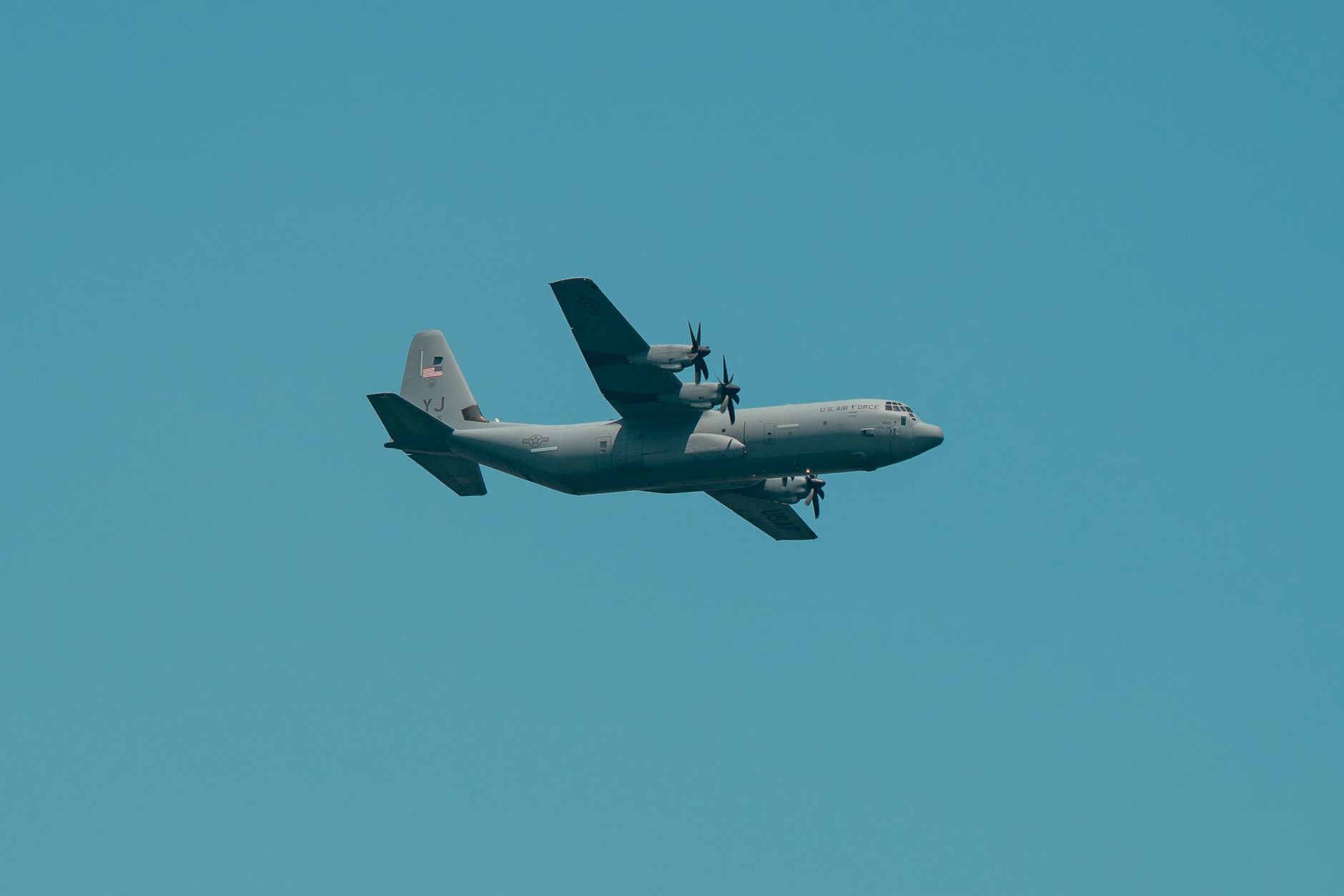
Weeks after Defence Minister Khawaja Asif declined to confirm or deny a Pakistani role against the Houthis, Reuters reports Pakistan sent four cargo planes of weapons to Yemen's Saudi-backed government in September — as Saudi Arabia now plans an offensive to break the Houthis' grip on the Bab el-Mandeb strait.
BBP Security Desk · October 4, 2026 · 4 min
Eight Terrorists, Including Three Commanders, Killed in Dera Ismail Khan Operation
Security forces killed eight terrorists, among them three commanders, in an intelligence-based operation in Dera Ismail Khan announced October 4. ISPR says those killed were linked to attacks on security forces and civilians.
BBP Security Desk · October 4, 2026 · 3 min
US Sends a Third Carrier Toward Iran as Trump Signals Strikes After the Midterms
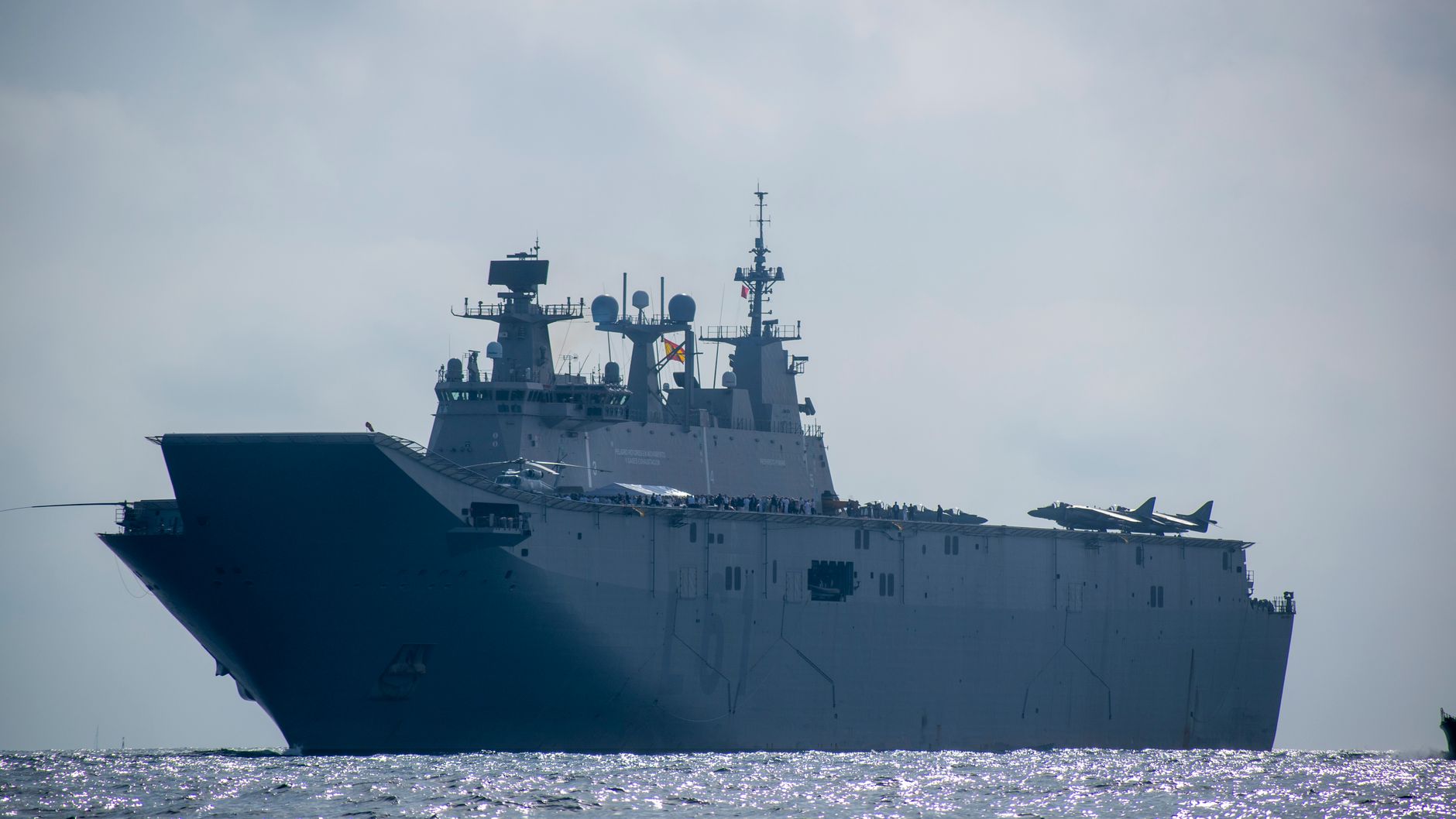
The USS Theodore Roosevelt strike group and roughly 2,000 additional Marines left San Diego this week, a buildup that could put three US carrier strike groups off Iran at once. Oil prices moved on the news — the same mechanism that sets Pakistan's pump prices within a day.
BBP Foreign Desk · October 3, 2026 · 4 min