US Sends a Third Carrier Toward Iran as Trump Signals Strikes After the Midterms
The USS Theodore Roosevelt strike group and roughly 2,000 additional Marines left San Diego this week, a buildup that could put three US carrier strike groups off Iran at once. Oil prices moved on the news — the same mechanism that sets Pakistan's pump prices within a day.
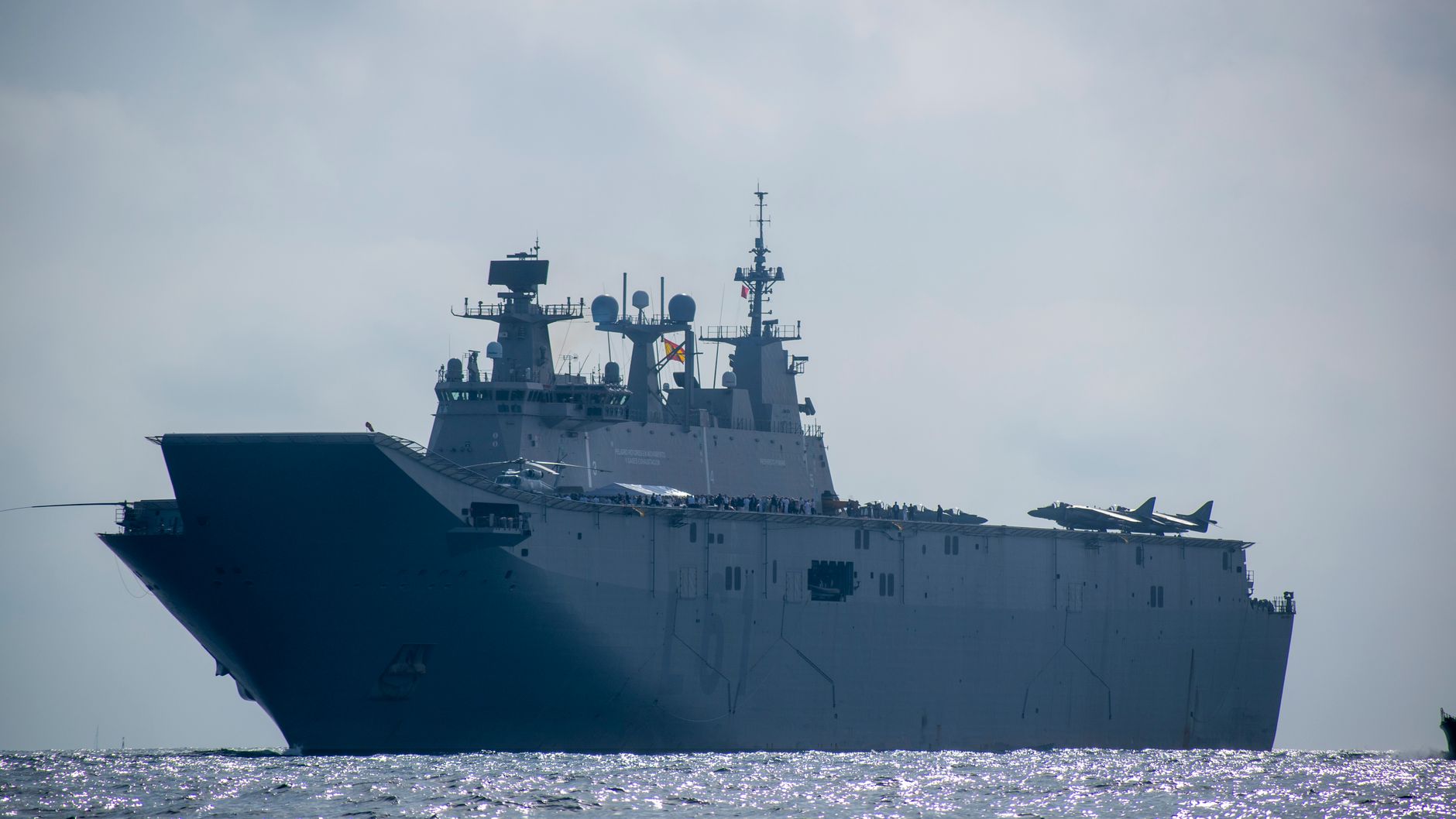
Photo by Christian Palau / Pexels
The United States has begun moving a third aircraft carrier strike group toward the Middle East, a buildup that coincided with President Donald Trump telling TIME magazine that military action against Iran could resume after November's midterm elections if Washington and Tehran fail to reach what he called a satisfactory agreement.
What is actually moving
The USS Theodore Roosevelt carrier strike group, which includes the guided-missile cruiser USS Chosin, left its San Diego base this week. A day later, the USS Makin Island amphibious readiness group followed, carrying more than 2,000 Marines as part of a Marine Expeditionary Unit. Taken together, US officials and multiple reports put the total deployment at up to roughly 10,000 personnel. If the Roosevelt group arrives as planned, the US would have three carrier strike groups and two amphibious ready groups in the region at the same time — a scale of naval concentration near Iran not seen since the opening weeks of the 2003 Iraq invasion. Officials cited in US reporting say the buildup could be substantially in place by the end of October, with the full posture complete by November.
The timeline Trump has laid out
The deployment lands directly on top of a timeline Trump has been describing privately and now publicly. He told aides he expects to resume bombing Iran in November, and told TIME the US could act after the midterm elections "if we're not happy" with where talks stand. He also said this week that Iran is "ready to fold up," a comment made as he simultaneously pushed more firepower into the region rather than drawing it down. That rhetoric follows his rejection of an Iranian proposal in late September to reopen the Strait of Hormuz within seven days in exchange for an end to the US port blockade, a proposal the Wall Street Journal reported Trump was skeptical Iran could actually honor.
Why this is a step beyond where things stood in September
Pakistani readers have seen versions of "Trump plans to resume strikes after the midterms" before — it was reported as his private expectation weeks ago. What is new this week is that the expectation has turned into ships actually leaving port. A carrier strike group takes roughly three to four weeks to reposition across the Pacific and through the Gulf region, which means this movement was ordered, not merely floated, and is difficult to reverse quickly once underway. US officials separately raised concern this week after an unidentified projectile struck a tanker off the coast of Oman, and Washington has sent additional Patriot missile batteries to Saudi Arabia and Qatar to help protect oil and gas infrastructure — both signs that the US is treating the current lull as fragile rather than settled.
The mechanism that reaches Pakistani pump prices
None of this buildup has to produce an actual strike to move markets that matter to Pakistani households. Oil prices rose on the news of the deployment itself, the same pattern tracked on this site when the Pakistan Stock Exchange fell on an earlier round of Hormuz-driven oil-price volatility. Pakistan now reviews petrol and diesel prices daily rather than fortnightly for exactly this reason — a shift explained in our fuel-pricing explainer — so a sustained rise in landed fuel costs this month would show up at the pump within days, not weeks.
Where Pakistan's diplomatic exposure stands
Pakistan brokered the June ceasefire framework that briefly paused the fighting before it collapsed in August, and Iranian President Masoud Pezeshkian told PM Shehbaz Sharif in September that the framework remained "fully acceptable" to Tehran. A US buildup aimed at pressuring Iran into a deal on Washington's terms, rather than reviving that framework, leaves Islamabad's mediation effort with less room to operate than it had a month ago — one more way a war with no Pakistani combatants keeps reshaping the options available to Pakistani diplomacy and the price Pakistani drivers pay at the pump.
Build Better Pakistan's Foreign Desk is tracking the US military buildup near Iran and its effects on Pakistan's economy and diplomacy.
This article is part of our Security coverage — Public safety, policing and community trust.
Frequently Asked Questions
- What exactly is the US moving toward the Middle East right now?
- The USS Theodore Roosevelt carrier strike group, including the cruiser USS Chosin, left its San Diego base along with the USS Makin Island amphibious readiness group carrying more than 2,000 additional Marines. Reporting puts the total movement at up to roughly 10,000 personnel. If it arrives alongside the carrier strike groups already in the region, the US would have three carrier strike groups off Iran simultaneously — a concentration not seen in the region since the opening phase of the 2003 Iraq war.
- Why does a US military buildup near Iran matter for people in Pakistan?
- Pakistan imports most of its crude and refined fuel through Gulf routes that pass the Strait of Hormuz, and moved its own pricing mechanism from fortnightly to daily reviews this year specifically because of how fast the war moves international oil prices. A buildup that raises the odds of renewed US strikes tends to push crude prices up within days, which OGRA then passes through to pump prices almost immediately.
Related Reading
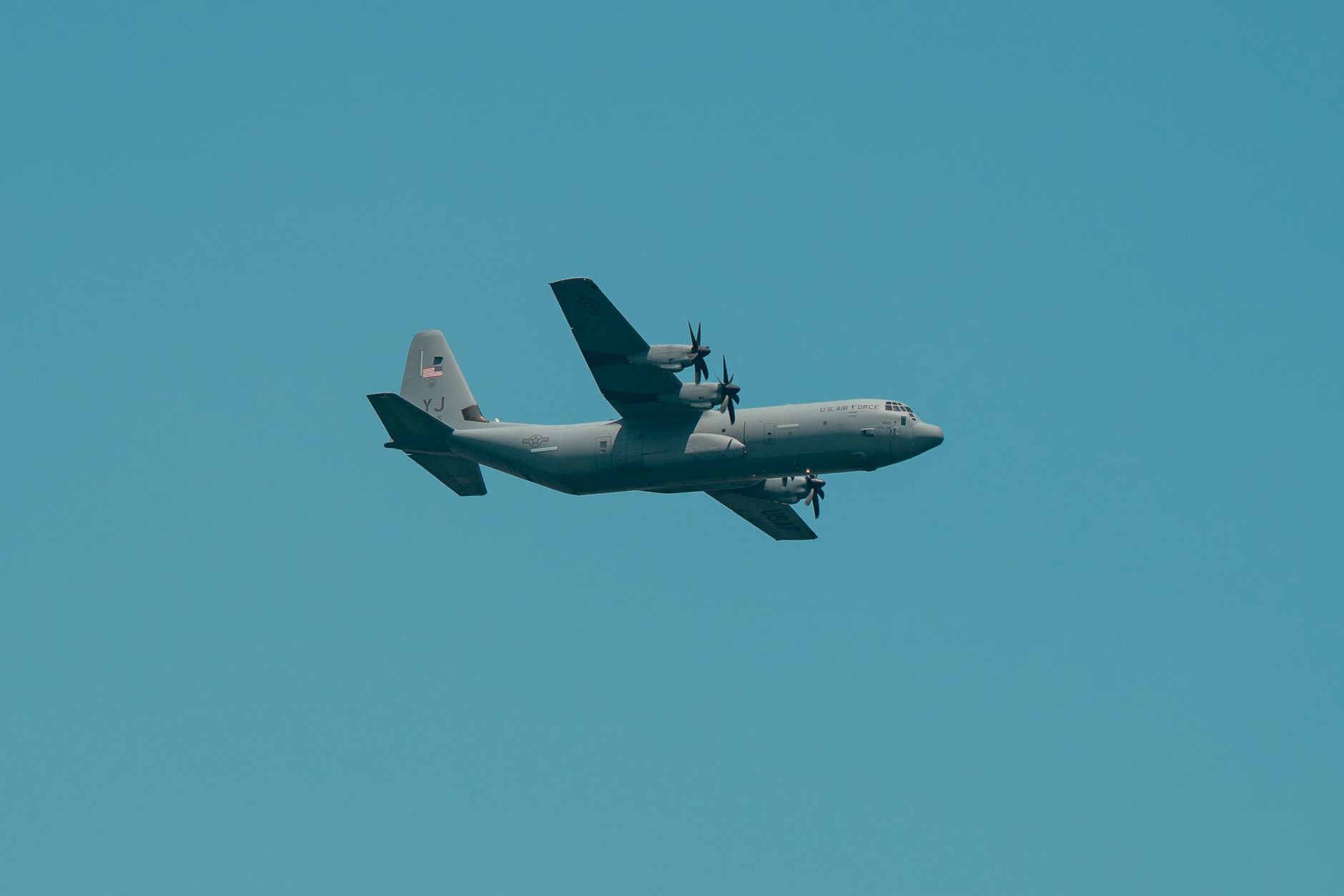
Pakistan's Houthi Ambiguity Ends: Cargo Planes to Aden, and a Saudi Offensive Taking Shape
Weeks after Defence Minister Khawaja Asif declined to confirm or deny a Pakistani role against the Houthis, Reuters reports Pakistan sent four cargo planes of weapons to Yemen's Saudi-backed government in September — as Saudi Arabia now plans an offensive to break the Houthis' grip on the Bab el-Mandeb strait.
BBP Security Desk · October 4, 2026 · 4 min
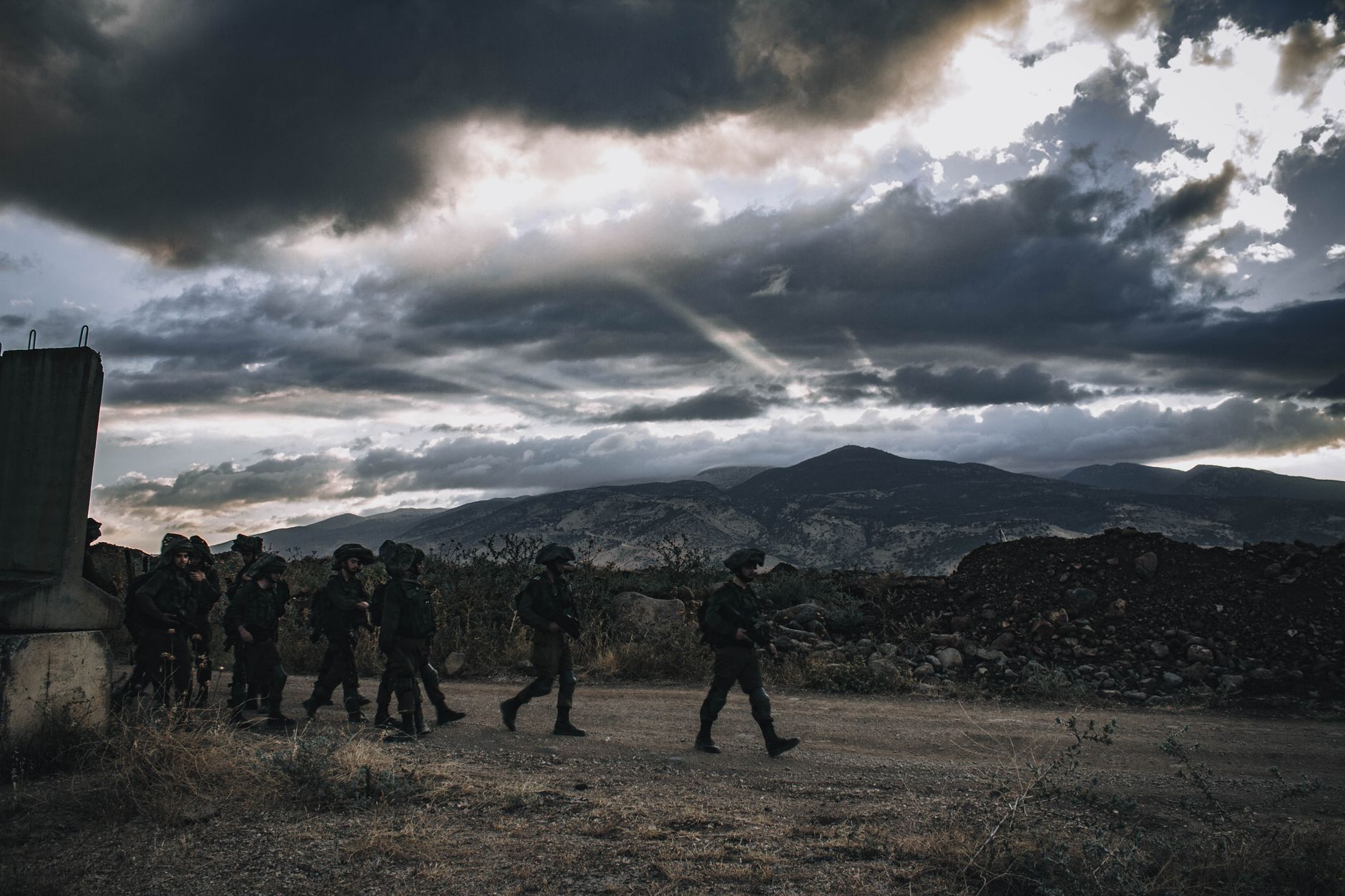
Eight Terrorists, Including Three Commanders, Killed in Dera Ismail Khan Operation
Security forces killed eight terrorists, among them three commanders, in an intelligence-based operation in Dera Ismail Khan announced October 4. ISPR says those killed were linked to attacks on security forces and civilians.
BBP Security Desk · October 4, 2026 · 3 min
Pakistan Summons Indian Diplomat After BSF Firing Kills Two Civilians Near Kasur
Pakistan's Foreign Office summoned India's chargé d'affaires on October 3 over the killing of Azmat Rasool and Mohsin Jutt, shot by India's Border Security Force in the Bedian sector near Kasur on October 2. India says the men were foiling an infiltration attempt; Pakistan says they were unarmed civilians who never crossed the fence.
BBP Foreign Desk · October 3, 2026 · 4 min