Pakistan's Army Produces the Man India Said It Killed in Kashmir
DG ISPR Lt Gen Ahmed Sharif Chaudhry presented retired SSG Havildar Muhammad Asif alive at a Rawalpindi press conference on October 1, rebutting Indian claims that a soldier by that name had been killed as a Lashkar-e-Taiba commander in occupied Kashmir.
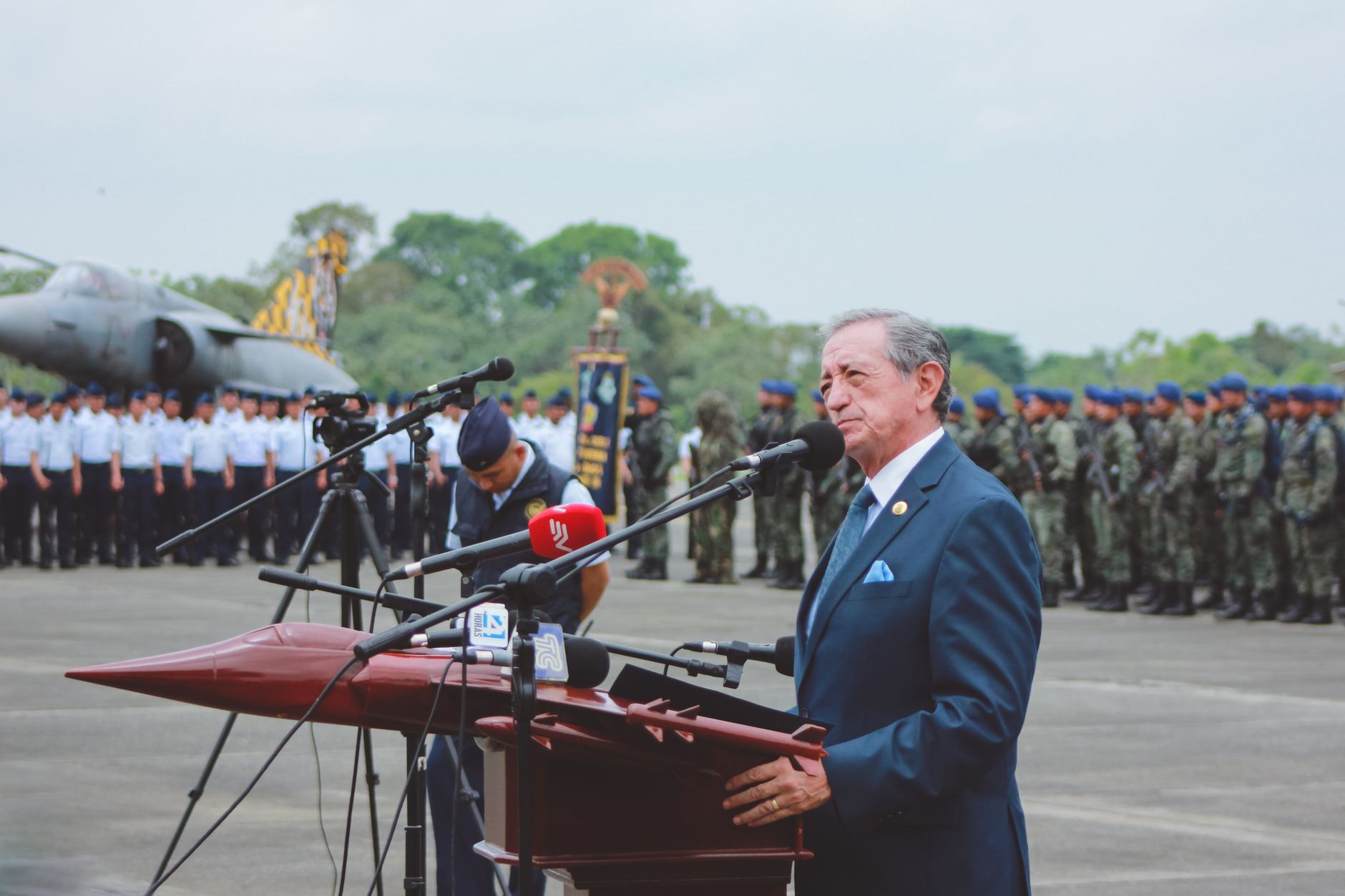
Photo by Antonio Prado / Pexels
Lieutenant General Ahmed Sharif Chaudhry, Pakistan's Director-General of Inter-Services Public Relations, used a press conference in Rawalpindi on October 1 to produce, in person, the man Indian authorities had spent the previous two days describing as a slain Lashkar-e-Taiba commander. Havildar Muhammad Asif, a retired Special Services Group soldier from Pindi Gheb in Attock district, told reporters he was very much alive and has lived there since retiring from the army in 2023.
How India's version of events unfolded
DG ISPR laid out a timeline for how the claim built over roughly 24 hours. An Indian Army corps account posted on the night of September 29 said its forces had killed a "dangerous" Lashkar-e-Taiba terrorist during an operation in Indian-occupied Kashmir. About seven and a half hours later, a follow-up post identified the man as Muhammad Asif, alias Hashim Musa, and said a subsequent search of the Palmaidan area had recovered his body along with what the post described as "war-like stores." The following afternoon, India's ANI news agency, citing unnamed sources, reported that the person killed was a former Pakistani SSG soldier. Roughly two hours after that, India's Ministry of Home Affairs and its Press Information Bureau issued a statement confirming the killing of an LeT commander known by the aliases Musa and Asif Fauji.
The rebuttal
Chaudhry rejected the sequence as fabricated from the outset, telling journalists that Pakistan's military had identified and located the actual Havildar Muhammad Asif and brought him before the press rather than simply issuing a denial. He questioned why, if Indian forces genuinely believed they had killed a dangerous militant, the announcement needed almost a full day and several escalating statements from different arms of the Indian government to settle on a single identity. Asif himself confirmed his service record and said he had no connection to the events India described in Kashmir.
Part of a recurring pattern
This is not the first time Pakistan's military has accused India of staging an incident along these lines; ISPR has made similar accusations before, including around the aftermath of the 2025 Pahalgam attack. What distinguishes this episode is that Pakistan produced the specific individual named in India's own statements, rather than contesting the account in the abstract. It follows a string of friction points between the two militaries this year, including a rare naval collision in the Arabian Sea in September, and comes against a backdrop in which India has already warned Pakistan of consequences over unrelated diplomatic exchanges at the UN General Assembly.
Why it matters beyond the immediate dispute
Neither government has a record of letting these disputes go uncontested, and India has not yet issued a substantive on-record response to Chaudhry's press conference as of this writing. The episode lands at a moment when the two countries' security establishments remain on edge over Kashmir, the suspended Indus Waters Treaty and sporadic border incidents, meaning even a disputed single-soldier case carries weight well beyond Attock district. Whether Indian authorities retract, revise, or simply let the claim lapse without comment will be the next thing worth watching.
Build Better Pakistan's Security Desk is following the fallout from this press conference and will update this piece if New Delhi responds.
This article is part of our Security coverage — Public safety, policing and community trust.
Frequently Asked Questions
- Who did India say it had killed, and who did Pakistan actually produce?
- India's army said it killed a Lashkar-e-Taiba commander it identified as Muhammad Asif, alias Hashim Musa, in an operation in Indian-occupied Kashmir. On October 1, Pakistan's military produced a man by the same name, Havildar Muhammad Asif, alive and in person in Rawalpindi — a retired Pakistan Army SSG soldier from Pindi Gheb in Attock district who says he has lived there since retiring in 2023.
- How did the Indian side's account of the incident unfold?
- According to DG ISPR's timeline, an Indian Army corps account posted on the night of September 29 that it had killed the man; roughly seven and a half hours later, a follow-up post named him as Muhammad Asif alias Hashim Musa, with a search of the Palmaidan area said to have recovered the body and "war-like stores." The following afternoon, India's news agency ANI, citing unnamed sources, reported the man was a former Pakistani SSG soldier, and about two hours after that India's Ministry of Home Affairs and Press Information Bureau confirmed the killing of an LeT commander going by Musa or Asif Fauji.
Related Reading

Shehbaz and Munir Meet Trump at the White House as Pakistan Signs Drone MoU With Trump-Linked Firm
PM Shehbaz Sharif and Field Marshal Asim Munir met Donald Trump, JD Vance and Marco Rubio at the White House on September 25 to discuss counterterrorism cooperation. Days earlier, Pakistan's Ministry of Defence signed a memorandum with Powerus, a drone startup backed by Donald Trump Jr and Eric Trump, for a limited procurement order whose value and systems remain undisclosed.
BBP Security Desk · October 1, 2026 · 4 min

Pakistan Says 22 Killed in Afghanistan Airstrikes; Kabul Says Nine Civilians Died
Pakistan struck two sites in Afghanistan's Kunar and Helmand provinces on the night of September 30, saying it killed 22 militants. The Taliban government says nine civilians died and three houses were destroyed, and Hamid Karzai has condemned the strikes.
BBP Security Desk · October 1, 2026 · 3 min
Anti-Corruption Raids Have Slowed Lahore Police Investigations by Nearly Half
Lahore's police investigation system has slowed by almost 50% as investigating officers stop working since the Anti-Corruption Establishment began arresting corrupt officials — exposing how dependent the system had become on bribes collected from both complainants and the accused.
BBP Security Desk · October 1, 2026 · 4 min