Pakistan Extends Its India Airspace Ban to October 24 — And India Is Now Asking China for a Way Around It
Pakistan renewed its ban on Indian aircraft through October 24, 2026, the latest in a string of monthly extensions since April 2025. Eighteen months in, India is now negotiating with China for emergency access to Xinjiang airspace to blunt the cost.
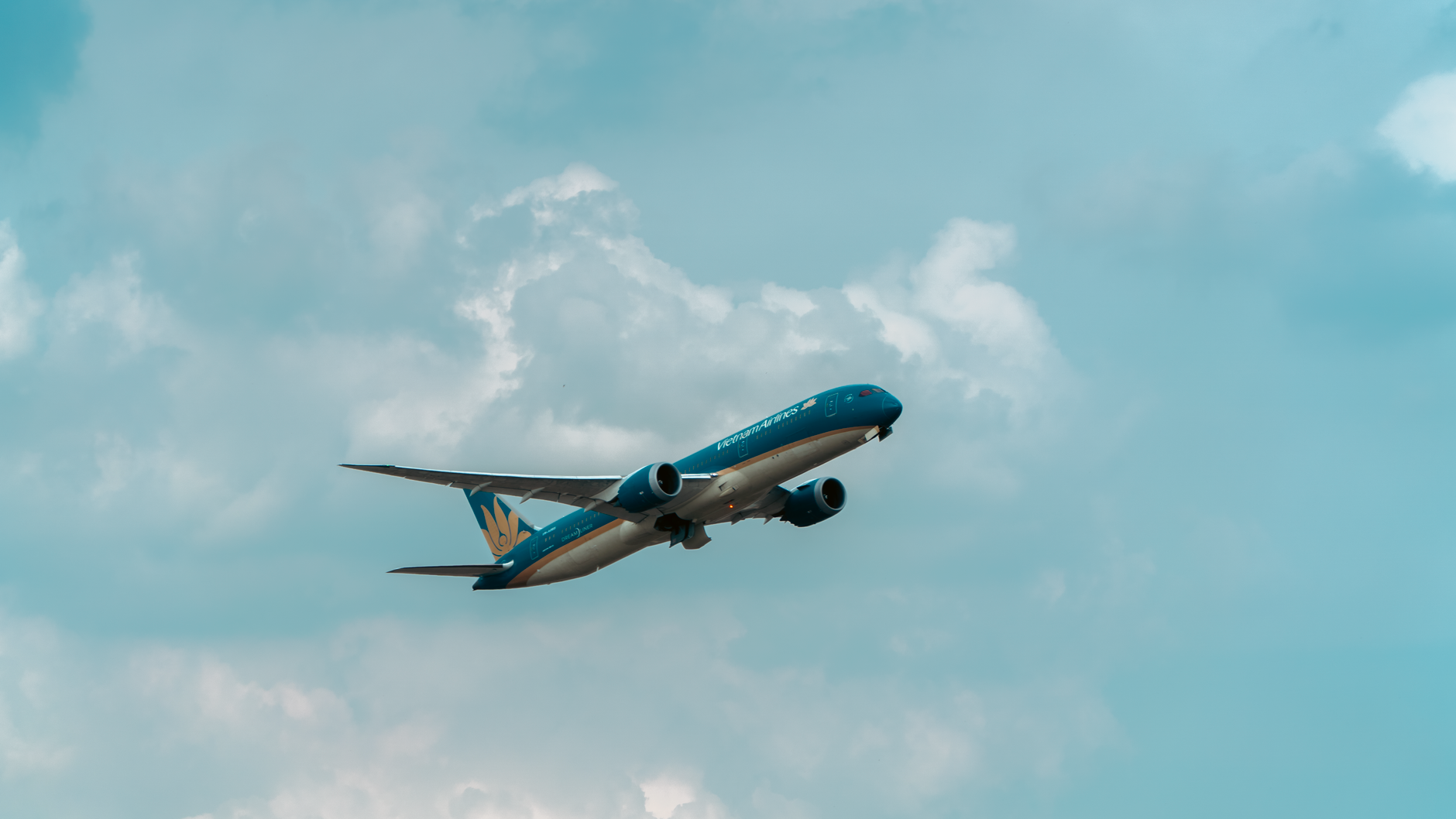
Photo by Phát Trương / Pexels
Pakistan's Airports Authority extended its ban on Indian-registered and Indian-operated aircraft for another month on September 24, 2026, keeping the closure in force until 04:59 local time on October 24 — one more renewal in a run that now stretches back seventeen months. Eighteen months after the closure first went into effect, the story has shifted from Islamabad's monthly paperwork to New Delhi's search for a way around it, through Chinese airspace rather than Pakistani.
How the ban has held, month after month
Pakistan shut its skies to Indian aircraft on April 23, 2025, days after gunmen killed 26 people, most of them tourists, in Pahalgam in Indian-administered Kashmir — an attack New Delhi blamed on Pakistan-based militants. India retaliated with a mirror-image ban on Pakistani aircraft the same week. Both closures were framed at the time as temporary responses to a security crisis. Neither has lifted.
The Notice to Airmen that took effect on September 24 is explicit about scope: Pakistani airspace, across both the Karachi and Lahore flight information regions, remains unavailable to any aircraft that is Indian-registered, operated or owned by an Indian carrier, or leased by one — a category that also covers Indian military flights. Pakistan has renewed the notice on essentially the same terms every month since the closure began, with the restriction now due to lapse on October 24 unless it is extended again, which every precedent to date suggests it will be.
What the closure has cost India's largest carrier
For Air India, the numbers have become difficult to absorb quietly. The airline has told Indian officials that being locked out of Pakistani airspace has pushed fuel costs up by as much as 29 percent and added up to three hours to some long-haul routes, as flights to North America and Europe detour around rather than over Pakistan. Air India put the hit to its annual profit before tax at roughly $455 million — a serious figure for a carrier that was already reporting a loss of about $439 million in the 2024-25 fiscal year. The Delhi-Washington route was suspended in August, and the airline has said its direct Mumbai and Bengaluru services to San Francisco are becoming commercially unviable at the added flight time.
Why India is now looking at China instead
Faced with those losses, Air India has lobbied the Indian government to open a diplomatic channel with Beijing for an alternative: routing through Chinese airspace over the Xinjiang region, with emergency diversion access at airports in Hotan, Kashgar and Urumqi, to shorten the detour around Pakistan. India's civil aviation ministry has confirmed that these talks with China have continued for more than a year without landing on an agreement — a sign both of how badly Indian carriers need the workaround and of how sensitive it is for Beijing to grant emergency access to military-adjacent airspace in a restive western province.
The request sits inside a broader, fragile thaw in India-China civil aviation ties: the two countries have separately discussed resuming direct scheduled passenger flights between them, suspended for years over unrelated disputes. That China is simultaneously in talks with India over an airspace workaround and building closer ties with Pakistan — including a newly activated Pakistan-China Boundary Commission that India itself rejects — underscores how central Beijing has become to every side of the subcontinent's aviation and diplomatic map.
The wider India-Pakistan-China triangle
The airspace dispute is one more data point in a year that has already produced a naval collision between Indian and Pakistani vessels in the Arabian Sea, a public exchange of rights of reply at the UN General Assembly, and now competing claims over a boundary commission Pakistan and China consider settled and India does not. None of these frictions has escalated into anything close to open conflict, but none has been resolved either — and the airspace ban is the one with the clearest running cost, measured monthly in fuel bills and flight-time overruns rather than diplomatic statements.
For Pakistan, there is no comparable public accounting of what the reciprocal ban costs its own aviation sector, since Pakistani carriers were never as reliant on the Indian flight-corridor routes that Air India depended on. That asymmetry is part of why the closure has proven so durable: Islamabad's monthly renewal is close to costless to issue, while New Delhi's search for a workaround has become an active, expensive diplomatic project of its own.
Build Better Pakistan's Foreign Desk tracks Pakistan's airspace policy and regional diplomacy and will update this piece when the October 24 notice is next renewed or allowed to lapse.
This article is part of our Politics & Governance coverage — Institutions, local government and how power actually gets exercised.
Frequently Asked Questions
- When did Pakistan close its airspace to India, and when does the latest extension run out?
- Pakistan first closed its airspace to Indian aircraft on April 23, 2025, days after the Pahalgam attack in Indian-administered Kashmir, and India imposed a matching ban on Pakistani aircraft the same week. Pakistan has extended the closure roughly monthly ever since; the latest Notice to Airmen took effect on September 24, 2026, and keeps the ban in place until 04:59 local time on October 24, 2026.
- What is India doing to get around the closure?
- Air India has asked the Indian government to negotiate with China for the right to route flights through airspace over Xinjiang — specifically near Hotan, Kashgar and Urumqi — including emergency diversion access, to shorten routes to North America and Europe that now run far longer because they cannot cross Pakistan. Indian officials say those talks with Beijing have been underway for more than a year without a resolution.
Related Reading

PTI Plans Prolonged Swabi Stay for Oct 4 March as Its Own Leader Warns of Emergency Rule
PTI has settled on Peshawar-to-Swabi as its October 4 route, with plans to camp for several days around founder Imran Khan's October 5 birthday. But KP leader Shaukat Yousafzai is publicly urging a further postponement, warning the government could use an Afghanistan-linked pretext to impose emergency rule.
BBP Politics Desk · September 29, 2026 · 3 min
PML-N Keeps Bahawalpur Seat as Channar Wins NA-168 By-Election, PTI and JI Sit Out
Malik Munir Iqbal Channar won the NA-168 Bahawalpur-V by-election on September 27 with 79,306 votes, a 36,683-vote margin over independent runner-up Wali Dad Cheema, after PPP withdrew in his favour and PTI and Jamaat-i-Islami boycotted the contest.
BBP Politics Desk · September 28, 2026 · 4 min

KP CM Sohail Afridi Says He's Ready to Leave, as PTI's Own MPAs Move Against Him
PTI leader Sher Afzal Marwat says 35 KP MPAs are ready to back a no-confidence motion against Chief Minister Sohail Afridi, and that Imran Khan relayed a message through his lawyer that Afridi should step down. Afridi says he'd rather leave the CM House than compromise on ideology, while Governor Faisal Karim Kundi says no resignation has reached him through official channels.
BBP Politics Desk · September 28, 2026 · 4 min