The Federal Government Has Now Put the Army's Legal Authority in KP in Writing
Hours after imposing governor's rule, Islamabad issued a statutory notification authorising the Pakistan Army to operate in Khyber Pakhtunkhwa 'in aid of civil power' under Article 245 of the Constitution. The order leaves troop numbers to the governor and GHQ, and it lasts as long as the emergency does.
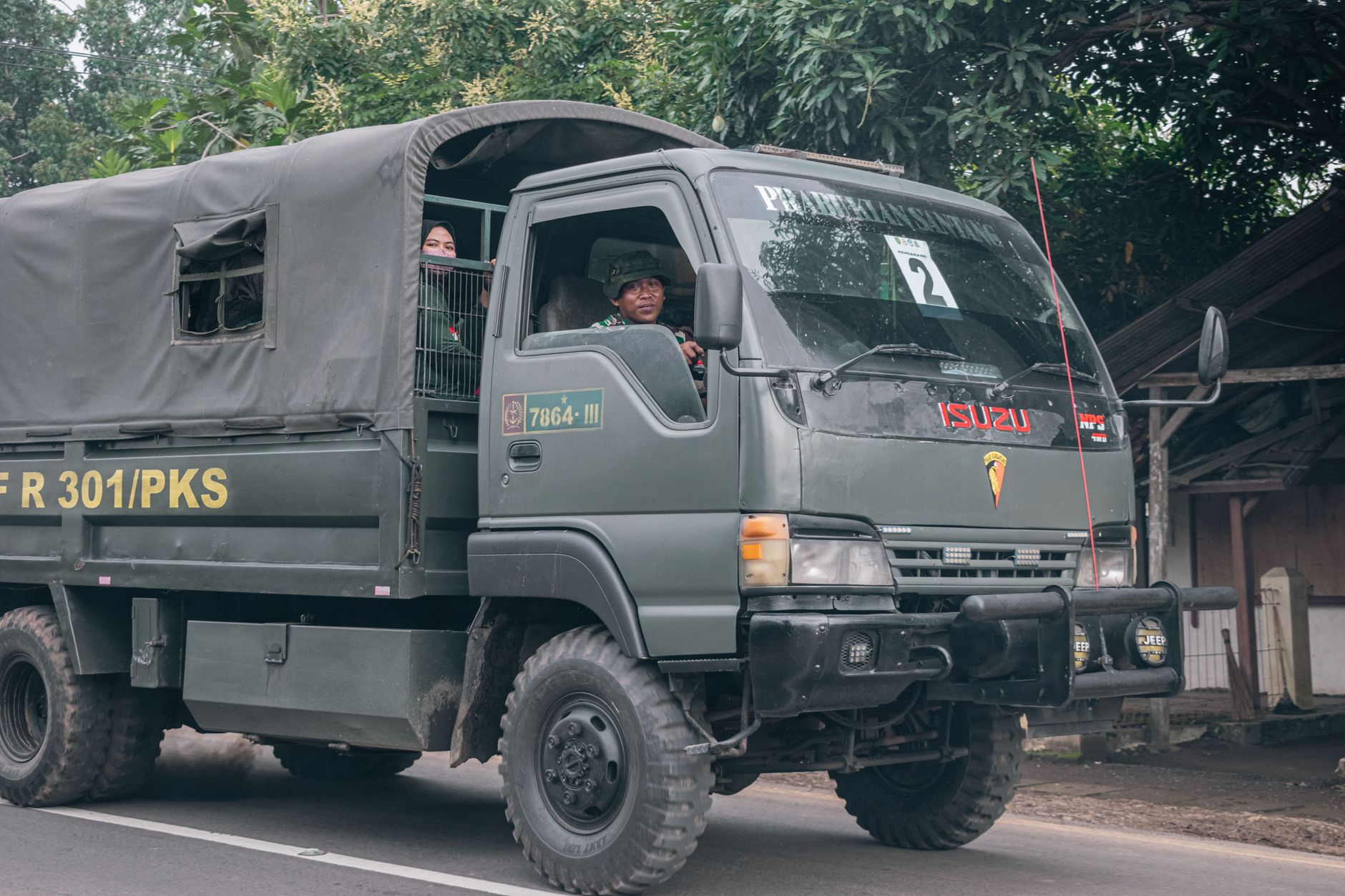
Photo by SMKN 1 GANTAR / Pexels
Imposing governor's rule in Khyber Pakhtunkhwa was the political act. Authorising the army to operate there is the legal mechanism that gives it teeth. On October 11, 2026, the federal interior ministry issued a statutory regulatory order putting Pakistan Army troops and assets into the province "in aid of civil power" under Article 245 of the Constitution — a formal, written legal authorisation that sits underneath the headline-grabbing proclamation signed the same day.
What the notification actually says
The SRO states the troops are being deployed for "safety of life, security of persons and property of citizens as well as security of government installations" in KP. It does not specify how many soldiers, which units, or which districts beyond the province as a whole. Instead, it leaves that operational detail to Governor Faisal Karim Kundi, who is to determine the required troop numbers and assets in consultation with the Military Operations Directorate at GHQ. The authorisation's duration is tied directly to the emergency and governor's rule proclamation President Asif Ali Zardari signed hours earlier: when that proclamation lapses or is withdrawn, so does the army's legal basis for acting under this order.
Why Article 245 specifically
Pakistan's federal government has reached for Article 245 before — Punjab's home department requested a similar deployment around Rawalpindi earlier this year after a security incident near GHQ — but invoking it province-wide in KP, on the same day as governor's rule, is a materially bigger step. The article does two things simultaneously: it gives civil authorities a legal channel to call in the military for law-and-order functions they would otherwise have no constitutional basis to request, and it insulates the resulting military conduct from ordinary judicial scrutiny. Clause 2 of Article 245 bars courts from questioning directions issued under it, and clause 3 strips high courts of their usual Article 199 jurisdiction over any area where troops are acting in aid of civil power. Legal commentators who have tracked past uses of the provision describe this as a trade-off the federal government accepts deliberately: broader enforcement reach in exchange for narrower outside review.
Layered onto an already-live emergency
This authorisation does not stand alone. It followed within hours of Zardari's proclamation removing Chief Minister Sohail Afridi, his cabinet and the provincial Advocate General from office, and it arrived on the same day PTI said Afridi and KP party president Junaid Akbar had been taken into custody as the party's long march toward Swabi was already under way. The federal government's own stated justification for both the emergency and the army's role in it is the same: a documented rise in militant attacks on law enforcement and government installations, following months of friction over counterterrorism strategy between Islamabad and the now-removed provincial government. Reporting on the infiltration of Afghan Taliban-linked personnel into Kurram district days earlier forms part of the security backdrop the government has cited.
What to watch
Three things determine how significant this authorisation turns out to be in practice. The first is scale: how many troops the governor and GHQ actually request, and whether deployments concentrate in the merged tribal districts along the Afghan border or extend into settled districts and urban centres where PTI's political activity is strongest. The second is duration: because the order is pegged to the emergency proclamation, any legal challenge to governor's rule itself — something Afridi has said he intends to pursue — would, if successful, also curtail the army's authority under this notification. The third is scope creep: whether "aid of civil power" in practice stays limited to the stated purpose of protecting lives, property and installations, or expands into policing political assembly, given that it begins while a PTI mass mobilisation is still unresolved. Build Better Pakistan will track deployment numbers and any legal challenges as they are reported.
Build Better Pakistan's Security Desk covers the Pakistan Army's domestic deployments and the legal frameworks that govern them.
This article is part of our Security coverage — Public safety, policing and community trust.
Frequently Asked Questions
- What did the government actually authorise, and under what law?
- An interior ministry statutory regulatory order (SRO) invoking Article 245 of the Constitution, which lets the federal government direct the armed forces to act 'in aid of civil power' when called upon by civil authorities. The stated purpose is 'safety of life, security of persons and property of citizens as well as security of government installations' in Khyber Pakhtunkhwa. The authorisation runs for as long as the province's emergency and governor's rule proclamation stays in force, and it does not fix a troop number — that is left to the KP governor, in consultation with the Military Operations Directorate at General Headquarters (GHQ).
- Why does invoking Article 245 matter beyond just sending in troops?
- Article 245 carries legal consequences beyond deployment. Clause 2 bars courts from questioning the federal government's directions to the armed forces under this article, and clause 3 restricts high courts from exercising their ordinary constitutional jurisdiction over any area where troops are acting under it. In practice, that narrows the judicial review available to anyone challenging what happens in KP for as long as the authorisation and the emergency it rests on remain in effect.
Related Reading
Riyadh Airport Attack Kills 12 in the Deadliest Houthi Strike on Saudi Arabia in a Decade
A Houthi strike on King Khalid International Airport on October 10 killed 12 people and wounded 309 — the third hit on the same airport in a week, and the deadliest attack on Saudi Arabia in ten years. Pakistani troops are now stationed in the kingdom under a mutual-defence pact triggered by the same campaign.
BBP Foreign Desk · October 11, 2026 · 4 min
ISPR Says Afghan Taliban Posts Fired to Cover a Kurram Infiltration Bid. One Soldier Died Stopping It.
Security forces killed 12 people — described by ISPR as Khwarij and Afghan Taliban personnel together — while foiling a border infiltration attempt in Kurram detected October 10. Naib Subedar Hidayat Aman was martyred in the exchange of fire, which the military says included support from Afghan Taliban border posts.
BBP Security Desk · October 11, 2026 · 4 min
IAEA Runs Its First-Ever Security Review of Pakistan's Nuclear Sites, Calls the Regime 'Robust'
A seven-member IAEA team wrapped up a 12-day International Physical Protection Advisory Service mission on October 9, the first Pakistan has ever hosted, concluding its nuclear security regime is robust while recommending further fixes after inspecting the KANUPP-1 decommissioning site in Karachi.
BBP Security Desk · October 10, 2026 · 4 min