Pakistan's Exports Jump 17.6% in September, But the Trade Gap Still Widens
Pakistan Bureau of Statistics data released this week put September exports at $2.94 billion, up 17.6% year-on-year, but a faster rise in imports pushed the monthly trade deficit to $3.56 billion — 6.2% wider than a year earlier.
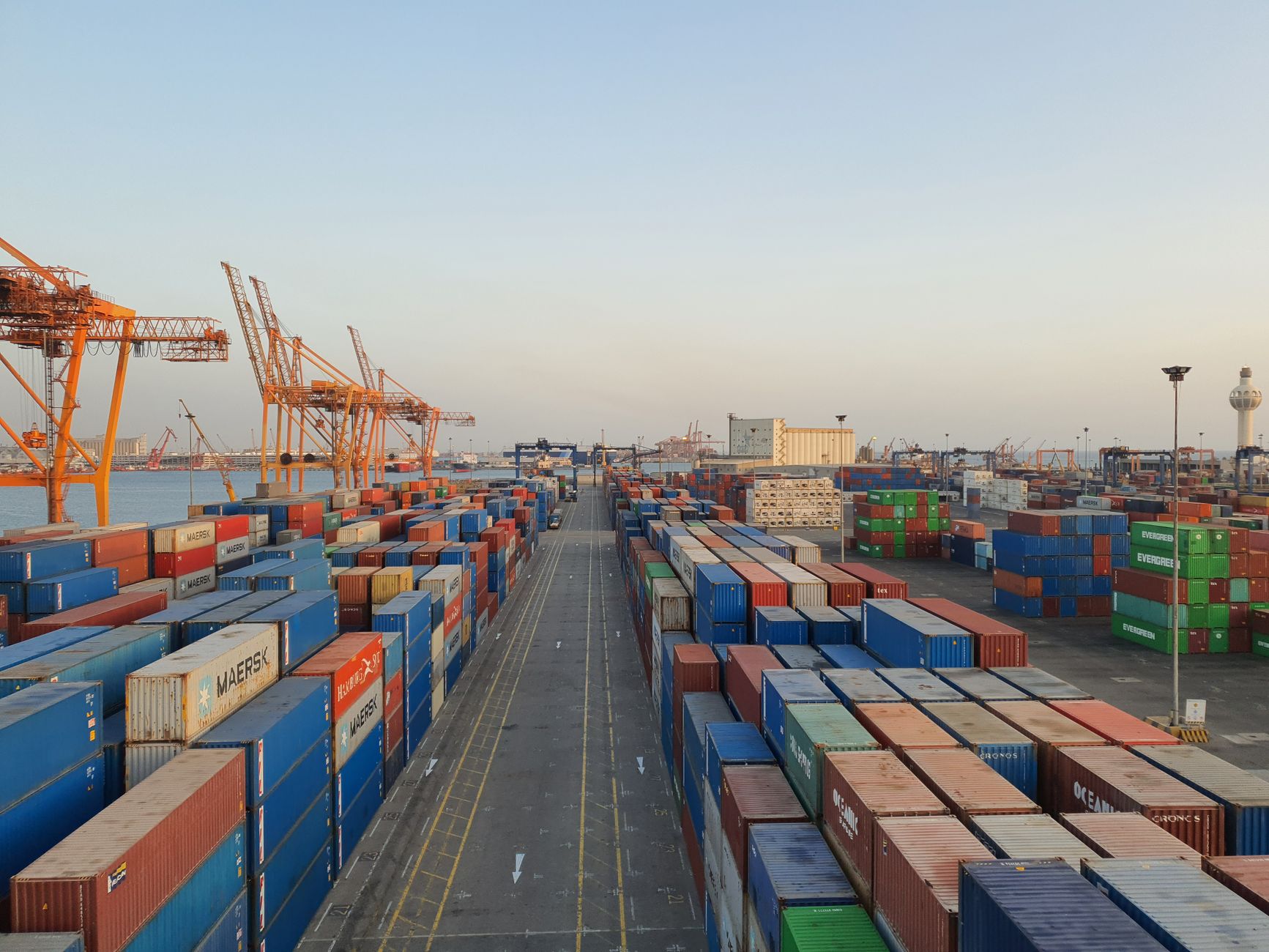
Photo by Bilal Ahmed / Pexels
Pakistan's exports rose 17.6% year-on-year in September 2026, provisional data released by the Pakistan Bureau of Statistics this week shows, climbing to $2.94 billion from $2.5 billion in September 2025. The gain wasn't enough to stop the trade deficit from widening: imports grew faster in dollar terms, and the monthly gap between what Pakistan sold abroad and what it bought came to $3.56 billion, up 6.2% from $3.35 billion a year earlier.
The numbers behind the headline
Imports in September 2026 totalled $6.49 billion, up from $5.85 billion in September 2025 — a rise of roughly $640 million against an export gain of roughly $440 million. That gap is the entire story: export growth alone doesn't close a trade deficit if imports are growing from a larger base and at a comparable or faster pace in absolute dollar terms. PBS described the figures as provisional, subject to revision once additional customs data is incorporated, which is standard practice for the agency's monthly releases.
The first quarter looks the same way
The September numbers are also the final month of data for the first quarter of fiscal year 2026-27 (July–September 2026). Over that quarter, exports rose nearly 11% to $8.42 billion from $7.59 billion in the same period last year, while the cumulative trade deficit widened by more than 15% to $10.79 billion from $9.37 billion. The pattern holds at both the monthly and quarterly level: Pakistan is selling more abroad in dollar terms than it did a year ago, and still running a bigger deficit, because it is buying even more.
Why this keeps happening
Textile exports remain the backbone of Pakistan's outbound trade, and their performance typically sets the tone for the overall export number — when textile shipments are strong, as they appear to have been in September, the headline export figure moves with them. But Pakistan imports the energy, machinery and raw materials that its own industry and consumption depend on, and a growing economy tends to pull in more imports even as its exporters do better. That dynamic has shown up before in Pakistan's external accounts: the same month saw the rupee holding against the dollar and foreign exchange reserves and remittances doing some of the work of covering the gap that trade alone doesn't close.
What it means for the IMF-monitored program
A widening trade deficit matters beyond the trade ledger itself. It feeds directly into the current account, which the IMF's ongoing review of Pakistan's Extended Fund Facility tracks closely as one marker of external stability. A bigger deficit financed by remittances and reserves is a different story, fiscally, than one financed by fresh borrowing — and which of those is happening will become clearer as the State Bank publishes its own current account data for September in the coming weeks.
Build Better Pakistan's Economy Desk tracks monthly trade data from the Pakistan Bureau of Statistics and will update this coverage when revised figures or the September current account numbers are released.
This article is part of our Economy coverage — Inflation, growth, trade and the everyday cost of living across Pakistan.
Frequently Asked Questions
- How much did Pakistan export in September 2026?
- Pakistan Bureau of Statistics data put September 2026 exports at $2.94 billion, up 17.6% from $2.5 billion in September 2025. Imports rose faster in dollar terms, reaching $6.49 billion, up from $5.85 billion a year earlier.
- Why did the trade deficit widen if exports grew so much?
- Because imports grew in dollar terms by more than exports did. September's trade deficit came to $3.56 billion, a 6.2% increase over the $3.35 billion deficit recorded in September 2025, since the roughly $640 million rise in imports outpaced the roughly $440 million rise in exports.
Related Reading

Pakistan's Public Debt Hit Rs86.7 Trillion in FY26 — Up 76% in Four Years
The finance ministry's new Annual Borrowing Plan for FY27 shows total public debt reached Rs86.7 trillion by end-June 2026, up from Rs49.3 trillion four years earlier. The growth rate was the slowest in two decades, and the debt-to-GDP ratio kept falling — but the government still plans to borrow Rs6.86 trillion more this year.
BBP Economy Desk · October 5, 2026 · 4 min

Markets Start Pricing a Rate Hike as Analysts Say SBP Will Miss Its FY27 Inflation Target
Economists say the State Bank's 5-7% medium-term inflation target for FY27 is now out of reach after September's reading came in at 10.3%, with one-year T-bill yields climbing toward 12.49% ahead of the October 26 policy meeting — a sign markets are betting on a hike, not another hold.
BBP Economy Desk · October 4, 2026 · 4 min
'Containerabad': How Sealing Islamabad Against PTI Is Costing Truckers 1,400 Kilometres Away
Karachi Port is backing up with cargo nobody will drive north, after Islamabad's container blockade against PTI's October 4 march left truckers facing seizure and tens of thousands of rupees a day in losses. Pakistan's transport price index was already up 27.43 percent year-on-year in September.
BBP Economy Desk · October 3, 2026 · 4 min