'Containerabad': How Sealing Islamabad Against PTI Is Costing Truckers 1,400 Kilometres Away
Karachi Port is backing up with cargo nobody will drive north, after Islamabad's container blockade against PTI's October 4 march left truckers facing seizure and tens of thousands of rupees a day in losses. Pakistan's transport price index was already up 27.43 percent year-on-year in September.
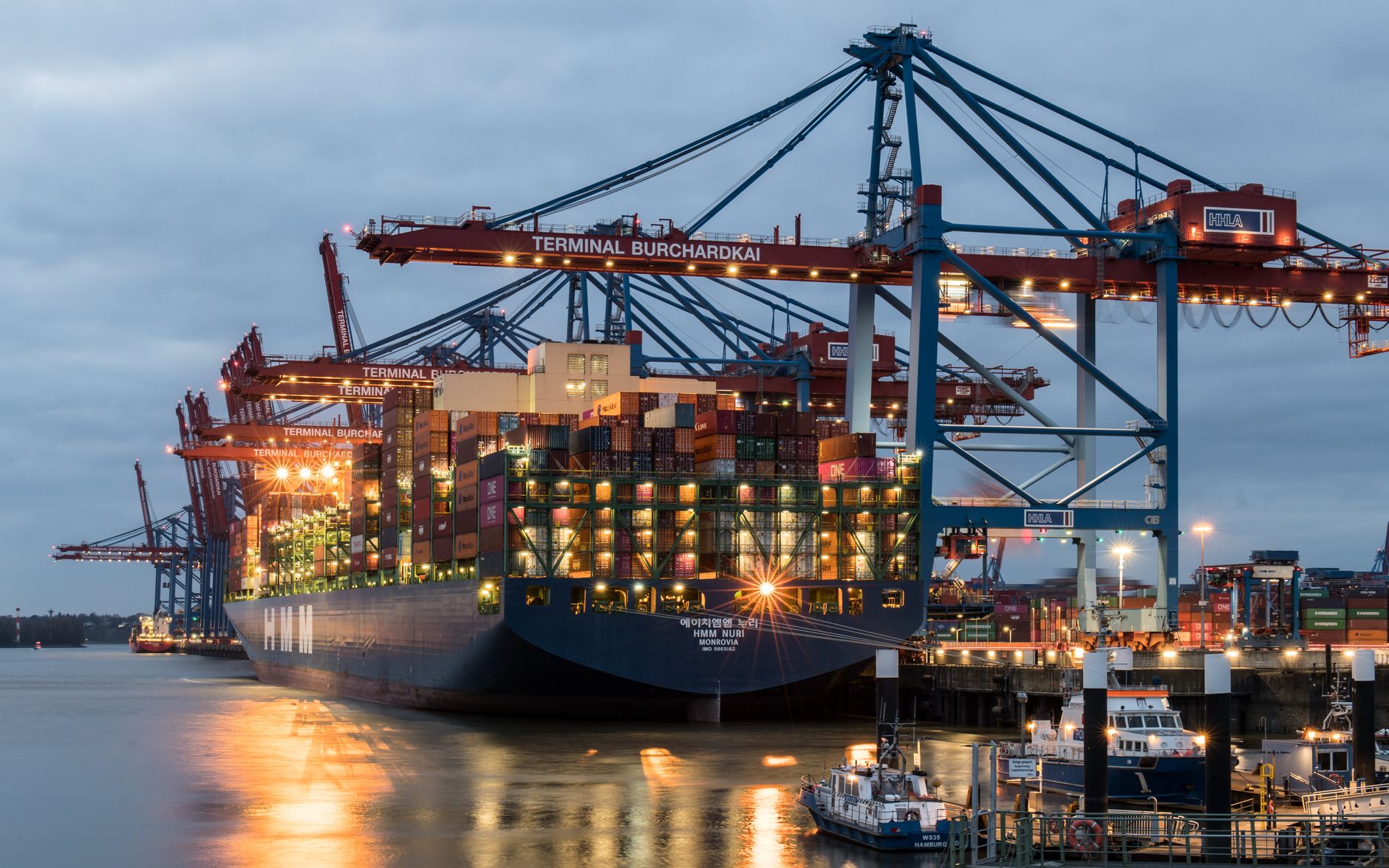
Photo by Wolfgang Weiser / Pexels
Karachi Port, the country's main artery for imports and exports, is backing up with cargo that nobody wants to drive north — and the reason sits 1,400 kilometres away, on the roads into Islamabad.
A blockade built from someone else's containers
For close to four weeks, steel shipping containers — packed with sand and welded together for good measure — have lined the approaches to the capital, part of the government's effort to keep PTI's planned march off Islamabad's streets. Between an estimated 1,500 and 2,000 of those containers were seized specifically for this purpose, pulled from the same fleet that normally moves goods between Karachi and the rest of the country. The march itself was originally due September 27 before PTI pushed the date to October 4, which means the barricades — and the containers inside them — have now been off the road for roughly twice as long as first planned.
That length of time is what has turned a security measure into a nationwide logistics problem. Truckers aren't just losing the containers that have already been seized. They're refusing to send more vehicles toward Upper Punjab and Islamabad at all, for fear theirs will be next. "Transporters have significantly reduced sending vehicles toward Upper Punjab and Islamabad because of the fear of these seizures and harassment," Muhammad Owais Chaudhry, president of the All Pakistan Goods Transport Owners Association, said in a video statement. The result is cargo stacking up at the port with nowhere to go, on routes that normally serve Islamabad, Rawalpindi, Jhelum, Peshawar and Attock.
What it costs, in rupees and in days
The numbers behind that caution are specific. A seized or idled truck-container combination loses its operator an estimated 30,000 to 40,000 rupees — roughly $108 to $150 — for every day it sits, a figure that stacks demurrage charges on top of missed deliveries and a truck earning nothing while parked. Police requisitioned more than 2,000 vehicles in September alone, on top of the roughly 1,000 containers already impounded by late September to build the original blockade, many of them still loaded with cargo — medicines, food, chemicals — and held for days with little or no compensation to the owners.
Those losses are already visible in the national data. Pakistan's transport price index rose 27.43 percent year-on-year in September, a jump that predates whatever the current, extended blockade adds once October's numbers are tallied. It's a cost sitting alongside the roughly Rs1 billion the capital's own police budget is absorbing for containers, personnel and overtime — except this bill falls on private truckers and the businesses waiting on their cargo, not the government.
The government's position: this is normal
Asked about the scale of the seizures, State Minister for Interior Talal Chaudhry described the use of containers ahead of the march as standard practice, saying security preparations are "based on intelligence assessments and anticipated security requirements." That framing treats the economic fallout as a predictable, acceptable cost of the security operation rather than something requiring a separate response — consistent with how the government has handled the broader standoff so far, including the October 2 talks with PTI that ended without either side backing down from its position on the march.
What happens once October 4 arrives
Nothing in the current arrangement resolves itself automatically once the march date passes. The containers, and whatever portion of the seized fleet remains impounded, stay off the roads until authorities decide otherwise — a decision that, going by precedent, tends to follow the march rather than anticipate it. For truckers already out tens of thousands of rupees a day, and for the shippers and buyers waiting on cargo stuck at Karachi Port, the practical question isn't whether the march happens on October 4. It's how many more weeks the blockade keeps costing money after it does.
Build Better Pakistan's Economy Desk tracks the fiscal and economic cost of Pakistan's political standoffs and will update this piece once October's transport and trade data are available.
This article is part of our Economy coverage — Inflation, growth, trade and the everyday cost of living across Pakistan.
Frequently Asked Questions
- Why is cargo backing up at Karachi Port because of a march in Islamabad?
- Authorities have seized an estimated 1,500 to 2,000 steel shipping containers nationwide, filled them with sand and welded them together to barricade roads into Islamabad ahead of PTI's October 4 march. Truckers now fear their own containers will be seized the same way if they drive north, so many are refusing routes to Islamabad, Rawalpindi, Jhelum, Peshawar and Attock — leaving cargo stuck roughly 1,400 kilometres away at Karachi Port, the country's main gateway for imports and exports.
- How much is this costing truckers and transporters?
- Industry figures put the loss at 30,000 to 40,000 rupees (roughly $108 to $150) per truck-container combination for each day it sits idle or seized, on top of demurrage charges and missed deliveries. Police requisitioned more than 2,000 vehicles in September alone, many still loaded with cargo and held for days with little or no compensation. Pakistan's transport price index was already up 27.43 percent year-on-year in September, before the current blockade's full effect is reflected in the data.
Related Reading
FBR to Send Survey Teams Into Markets to Map Shops Dodging the POS System
The government has decided to send on-ground teams into Karachi, Lahore and Islamabad to geo-tag shops that are not integrated with the Point of Sale network, after the Tajir Dost Scheme failed to bring traders into the tax net voluntarily.
BBP Economy Desk · October 2, 2026 · 4 min

FBR Sets Up a 'Faceless' Centre to Take Tax Officers Out of Audits
The Federal Board of Revenue has stood up a National Faceless Centre in Islamabad, staffed with 27 officers, to run tax audits and assessments through a computerised, risk-based system rather than direct contact with a local tax official.
BBP Economy Desk · October 2, 2026 · 4 min
Pakistan's Inflation Eases to 10.3% in September, Still Double Digits for a Second Month
The Pakistan Bureau of Statistics recorded headline inflation of 10.3% year-on-year in September 2026, down from 11.1% in August — the second straight month in double digits after a brief dip to single digits in July.
BBP Economy Desk · October 1, 2026 · 3 min