Pakistan Secures Extra 70,000-Tonne Rice Export Quota to Malaysia
Pakistan has locked in an additional 70,000-metric-ton rice export allocation to Malaysia for October–December 2026, Prime Minister Shehbaz Sharif announced on October 2, following a late-September understanding reached in Kuala Lumpur.
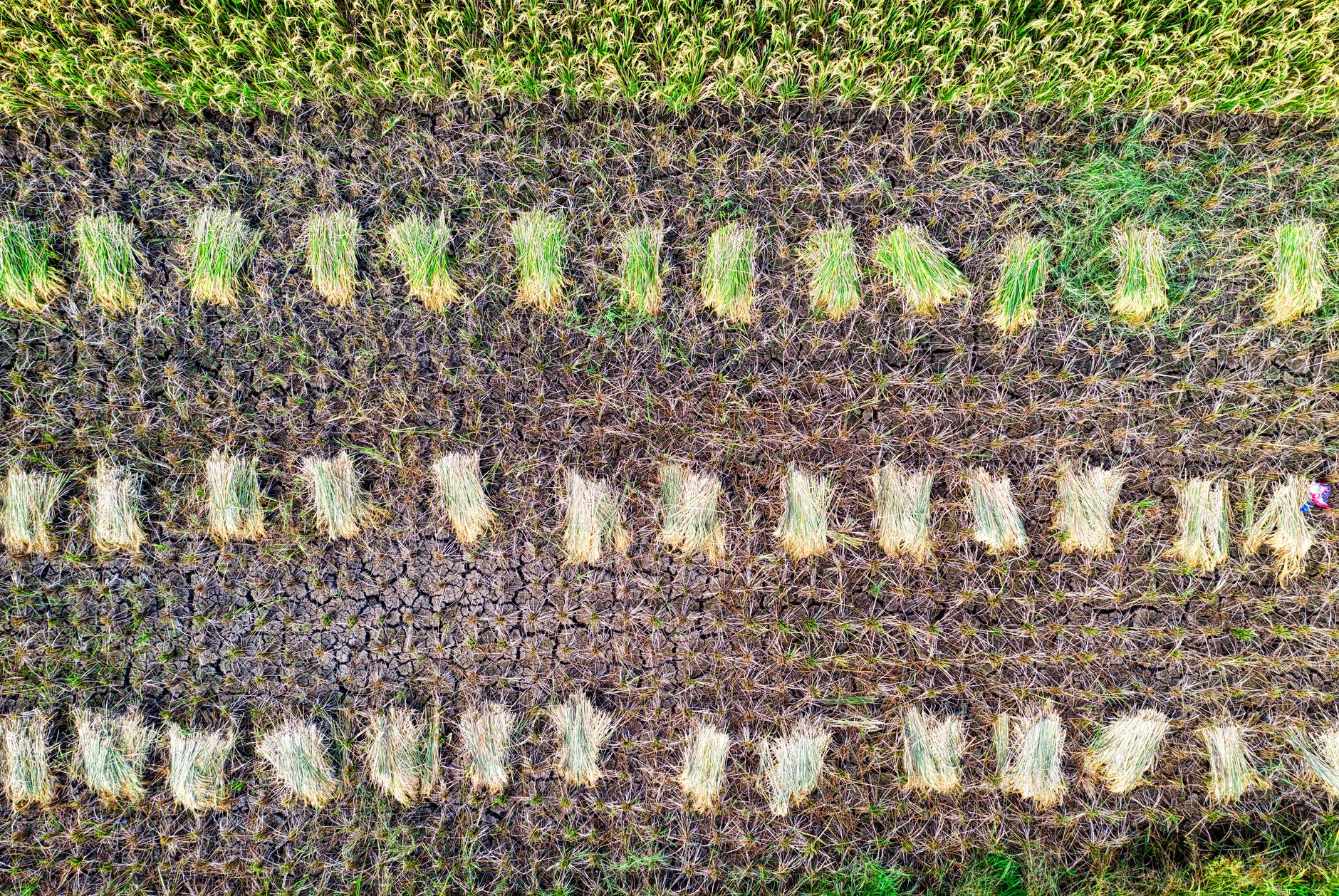
Photo by Tom Fisk / Pexels
Pakistan has secured an additional 70,000-metric-ton rice export allocation to Malaysia for the October–December 2026 quarter, Prime Minister Shehbaz Sharif announced on October 2. He credited Deputy Prime Minister and Foreign Minister Ishaq Dar, along with the federal ministers and secretaries for Commerce and for National Food Security and Research, for securing the extra quota, calling it a boost for farmers and export-led growth.
How the deal came together
The allocation builds on an understanding reached on September 27, 2026, in Kuala Lumpur, where Pakistan's secretary for National Food Security and Research, Amer Ali Ahmed, met Malaysian officials to strengthen rice-export cooperation and Halal certification linkages between the two countries. That groundwork translated, within a week, into the concrete 70,000-tonne allocation the prime minister announced on October 2 — with Pakistani outlets including Radio Pakistan, The Nation, Business Recorder, APP and ProPakistani all reporting the arrangement as finalized for the final quarter of the calendar year.
Malaysia has historically bought more of its rice from India, whose 5 percent broken white rice has traded at a lower price point than Pakistan's equivalent grade. An extra allocation specifically carved out for Pakistani exporters gives them guaranteed quarterly volume in a market where they have had to compete on price against a larger regional supplier.
Why this matters for farmers
Rice is Pakistan's second-largest agricultural export earner after cotton-based textiles, and the government has repeatedly framed new export volume as a direct line to farmer income — a sharper version of the pitch than, say, the textile sector's $18 billion FY26 export performance, where a cotton production slump offset gains elsewhere in the supply chain. Sharif's statement on the Malaysia allocation followed that same framing: more guaranteed export volume now should translate into stronger procurement prices for growers in Punjab and Sindh's rice-growing districts during the current marketing season.
The bigger trade picture
The announcement lands at a moment when Pakistan's economic managers are under pressure to show diversified, export-led growth rather than relying on remittance inflows alone to prop up the external account. Pakistan's forex reserves and remittances have already been running at record levels this year, but sustaining that position over the medium term depends on goods exports growing too — a point that has also come up in ongoing discussions with the IMF about the structural reforms needed to broaden Pakistan's export base beyond textiles.
A guaranteed quarterly rice quota is a modest line item against that backdrop — 70,000 tonnes is a fraction of Pakistan's total annual rice exports, which typically run into the millions of tonnes — but it is also the kind of incremental, negotiated market access that trade officials point to when arguing the diversification push is working, not just being talked about.
What happens next
The quota covers October through December 2026, meaning its real test will be whether Pakistani exporters can fill it at competitive prices against Indian supply, and whether the Kuala Lumpur-level cooperation on Halal certification translates into a standing arrangement beyond this one quarter. Government officials have signaled they expect to build on the allocation rather than treat it as a one-off, framing it as part of a broader push to grow non-textile exports.
Build Better Pakistan's Economy Desk covers Pakistan's trade and export policy and will update this piece if further details on pricing or delivery schedules are confirmed.
This article is part of our Economy coverage — Inflation, growth, trade and the everyday cost of living across Pakistan.
Frequently Asked Questions
- How much extra rice can Pakistan now export to Malaysia?
- An additional 70,000 metric tons, allocated for the October–December 2026 quarter, on top of Pakistan's existing rice trade with Malaysia.
- Who negotiated the extra quota?
- Prime Minister Shehbaz Sharif announced the allocation on October 2, 2026, crediting Deputy Prime Minister and Foreign Minister Ishaq Dar along with the ministers and secretaries of the Commerce and National Food Security and Research divisions. It builds on an understanding reached in Kuala Lumpur on September 27, 2026, between Pakistan's food-security secretary, Amer Ali Ahmed, and Malaysian officials.
Related Reading
'Containerabad': How Sealing Islamabad Against PTI Is Costing Truckers 1,400 Kilometres Away
Karachi Port is backing up with cargo nobody will drive north, after Islamabad's container blockade against PTI's October 4 march left truckers facing seizure and tens of thousands of rupees a day in losses. Pakistan's transport price index was already up 27.43 percent year-on-year in September.
BBP Economy Desk · October 3, 2026 · 4 min
FBR to Send Survey Teams Into Markets to Map Shops Dodging the POS System
The government has decided to send on-ground teams into Karachi, Lahore and Islamabad to geo-tag shops that are not integrated with the Point of Sale network, after the Tajir Dost Scheme failed to bring traders into the tax net voluntarily.
BBP Economy Desk · October 2, 2026 · 4 min

FBR Sets Up a 'Faceless' Centre to Take Tax Officers Out of Audits
The Federal Board of Revenue has stood up a National Faceless Centre in Islamabad, staffed with 27 officers, to run tax audits and assessments through a computerised, risk-based system rather than direct contact with a local tax official.
BBP Economy Desk · October 2, 2026 · 4 min