Smartphone Prices Jump Rs15,000-30,000 Across Pakistan on Chip Costs
Dealers and manufacturers in Karachi say every major mobile phone brand has raised prices by Rs15,000 to Rs30,000 a handset since August, driven by a global memory-chip shortage rather than any new tax.
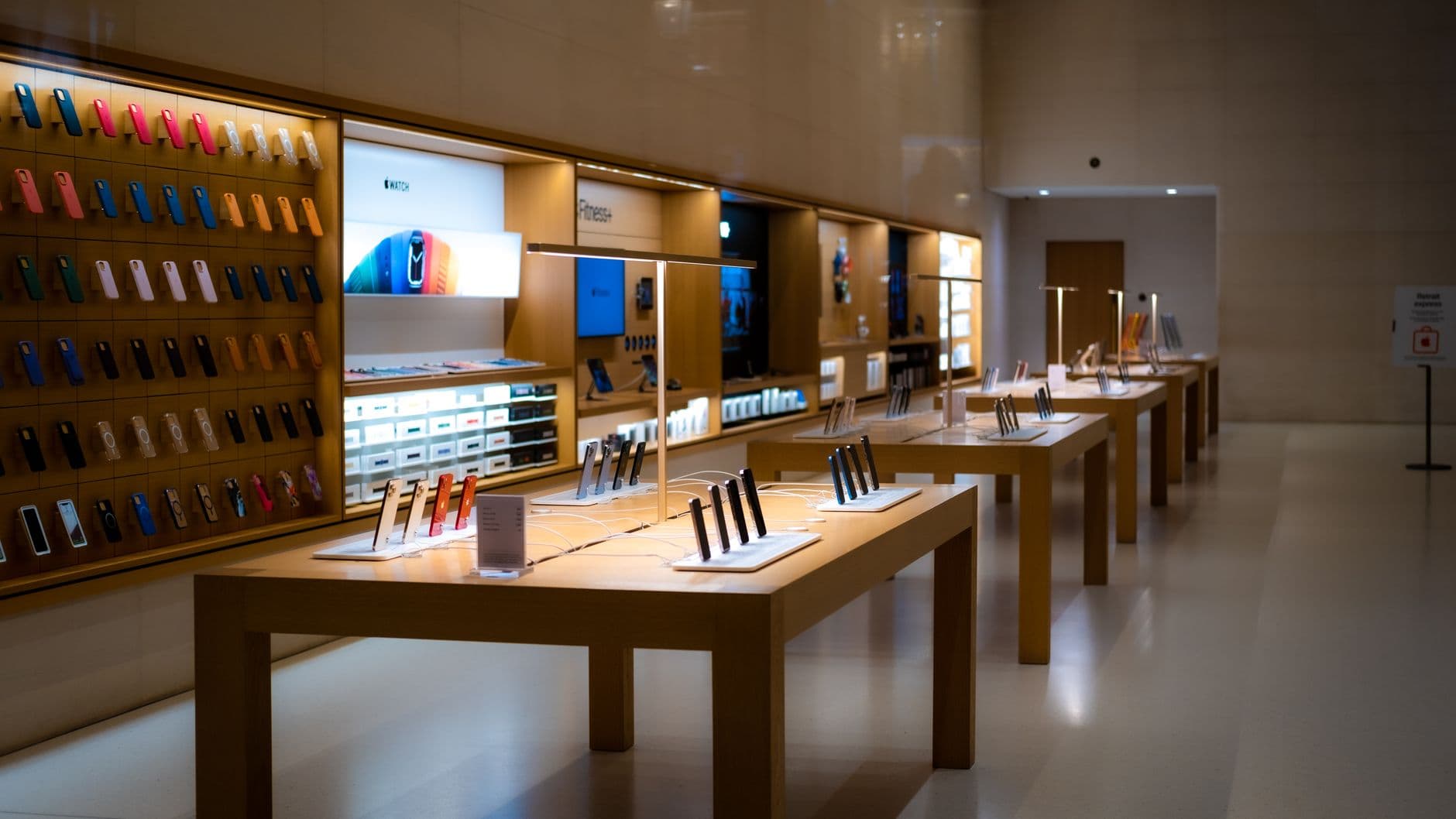
Photo by Mathias Reding / Pexels
Every major mobile phone brand sold in Pakistan has raised prices by Rs15,000 to Rs30,000 per handset since August, dealers and manufacturers told Dawn in a report published October 26, pointing to a global rise in memory-chip costs rather than any new tax.
Muhammad Rizwan Irfan, president of the Karachi Electronics Dealers Association, said there had been no significant tax increase that would explain the scale of the rise. He attributed it mainly to the rising cost of chips used in handsets. Mian Abdul Rehman of the Pakistan Mobile Phone Manufacturers Association went further, blaming higher RAM and ROM costs linked to surging global demand for AI hardware, which he said has outpaced memory production. Manufacturers, he said, are struggling to absorb the higher input costs themselves.
What shoppers are actually paying
Dawn's reporting, drawn from interviews at Saddar, the Sareena Mobile Market in Buffer Zone and the Abdullah Mobile Market in North Karachi, put the scale of the increase in concrete terms. A phone with 4GB of RAM and 64GB of storage that cost around Rs22,000 a few months ago now sells for roughly Rs40,000. A budget smartphone with the same specifications cost about Rs20,000 as recently as last year; it now sells for more than Rs30,000.
One customer told Dawn that a model he wanted had cost Rs22,000 to Rs23,000 in August, risen to around Rs30,000 the following month, and climbed further since. A shopkeeper described a phone that used to sell for Rs20,000 now going for Rs30,000 to Rs35,000. Among the customers Dawn spoke with were a woman shopping for her daughter and a man buying a replacement after his phone was snatched, both citing the higher prices as an unplanned strain on their budgets.
Why dealers say taxes aren't the cause
Some consumers interviewed blamed government taxes, and others pointed to the broader disruption from the US-Iran war on trade and component shipments. But the two industry figures Dawn quoted on the record both pointed instead to the cost of chips themselves. That lines up with reporting on the global memory market: a TrendForce forecast reported by The Register in February said DRAM contract prices were on track to rise 90-95 percent quarter-on-quarter in early 2026, with NAND flash up 55-60 percent and the LPDDR4x and LPDDR5x memory used in smartphones facing what the outlet called the steepest increases in their history. The driver, according to that forecast, is AI hardware demand from hyperscale data centres straining the same factories that supply handset memory, with no significant price relief expected before 2028.
No government official was quoted in Dawn's report, and neither the finance ministry nor the Federal Board of Revenue has issued a public response to the price rise. Dawn said consumers are calling on the government to find a way to keep basic smartphones affordable.
What it adds to household budgets
The increase lands on top of a year in which weekly inflation readings have continued to move, and alongside other big-ticket consumer costs that have climbed even as headline inflation has eased, such as the financing costs behind this year's slump in car sales. A smartphone has become a practical necessity for banking, remittances and official paperwork in Pakistan, and dealers' accounts suggest replacing even an entry-level handset now costs a third to a half more than it did months ago, independent of any change in the rupee's exchange rate against the dollar on the dollar rate page.
What to watch
Neither the Karachi Electronics Dealers Association nor the Pakistan Mobile Phone Manufacturers Association has said when global memory prices might ease, and no government body has signalled whether it will intervene. Dawn's reporting did not name specific brands or models, so the full market has not been independently surveyed beyond the Karachi retailers interviewed.
Build Better Pakistan's Economy Desk is tracking smartphone and consumer-electronics prices and will follow up if dealers, manufacturers or regulators respond.
This article is part of our Economy coverage — Inflation, growth, trade and the everyday cost of living across Pakistan.
Frequently Asked Questions
- How much have smartphone prices risen in Pakistan?
- Dealers in Karachi told Dawn that all major mobile phone brands have raised prices by Rs15,000 to Rs30,000 per handset since August. A basic phone with 4GB RAM and 64GB storage that cost around Rs22,000 a few months ago now sells for roughly Rs40,000, and budget models that cost about Rs20,000 last year are now priced above Rs30,000.
- Is the price rise caused by a new government tax?
- Dealers say no. Karachi Electronics Dealers Association president Muhammad Rizwan Irfan said there has been no significant tax increase that would explain the jump. Industry figures instead point to rising global memory-chip costs, which a TrendForce forecast reported by The Register says have pushed DRAM and NAND flash prices up sharply in 2026 on AI-driven demand.
Trending Now
- 01
Pakistan Faces $1.29bn LNG Import Bill This Winter as Qatar Supply Stays Disrupted
October 26, 2026
- 02
Bill Would Merge Privatisation Bodies Into One Commission, Shield Officials From Legal Action
October 26, 2026
- 03
Makkah Pact Ratified by Pakistan and Saudi Arabia as Allies Head to Tehran
October 26, 2026
- 04
Peshawar High Court Issues Notices on KP Emergency, Adjourns to November 10
October 25, 2026
- 05
Weekly Inflation Climbs to 11.85% as LPG Prices Jump 22%
October 25, 2026
Weekly Briefing
The week's most important stories on Pakistan's biggest challenges, in your inbox.
Related Reading

Bill Would Merge Privatisation Bodies Into One Commission, Shield Officials From Legal Action
A government bill introduced in the National Assembly would dissolve the Public-Private Partnership Authority and fold it into the Privatisation Commission, while giving current and former chairmen, board members and consultants legal and investigation immunity for acts done in good faith.
BBP Economy Desk · October 26, 2026 · 4 min

Weekly Inflation Climbs to 11.85% as LPG Prices Jump 22%
The Pakistan Bureau of Statistics' Sensitive Price Indicator rose 0.65% week-on-week in the week ended October 22, pushing the year-on-year rate to 11.85% from 11.38%, as LPG surged 22.44% and chicken jumped 12.20%.
BBP Economy Desk · October 25, 2026 · 3 min

BISP Removed 2.25 Million Fake Beneficiaries in a Year, Government Tells NA
The Ministry of Poverty Alleviation and Social Safety Division told the National Assembly that BISP removed 2,259,404 fake or ineligible beneficiaries between July 2025 and June 2026, suspended payments to over 800,000 more, and recovered more than Rs712 million.
BBP Economy Desk · October 24, 2026 · 3 min