Pakistan Faces $1.29bn LNG Import Bill This Winter as Qatar Supply Stays Disrupted
Pakistan's LNG import bill for November 2026 to February 2027 is projected at $1.29 billion, officials say, as continuing disruption to Qatari supply forces the country to buy roughly half its winter cargoes on the spot market at close to double the contracted price.
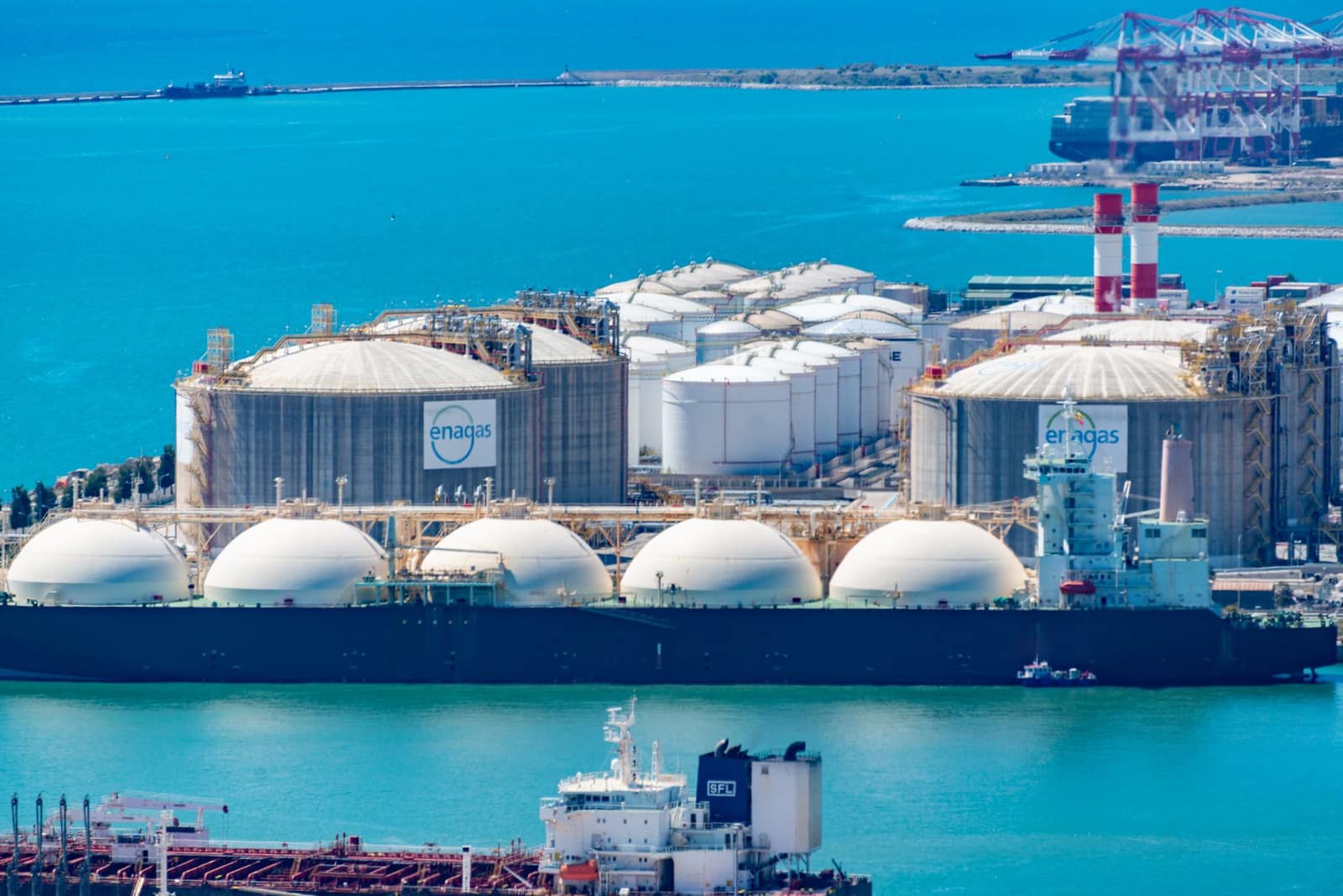
Photo by Diego F. Parra / Pexels
Pakistan's liquefied natural gas import bill for this winter is projected at $1.29 billion between November 2026 and February 2027, as continuing disruption to its main supply contract with QatarEnergy pushes the country toward costlier spot-market purchases, according to procurement documents reported by ProPakistani on October 13.
The estimate works out to roughly $322.5 million a month on average, but it is not spread evenly. The bill is projected to peak in January 2027, the coldest month, at about $437.32 million across eight cargoes, with December 2026 costing an estimated $369 million as spot-market purchases weigh more heavily on the total.
Why a routine winter plan now costs so much more
Under normal circumstances, Pakistan buys most of its LNG through two long-term, government-to-government agreements with QatarEnergy, running from 2016 to 2031 and from 2021 to 2031, delivering roughly nine cargoes a month. That arrangement has been disrupted since QatarEnergy declared force majeure in March following an Iranian strike on its Ras Laffan export complex, part of the fallout from the wider US-Iran conflict that began in February. We covered the force majeure and its initial extension to November 5 separately.
With contracted Qatari supply uncertain, the winter procurement plan splits the roughly 22 cargoes needed between November and February into two tiers: about 12 from Qatar and one from Italy's Eni under existing long-term contracts, worth a combined $429.83 million, and 10 bought on the open spot market for about $863 million, averaging $86.3 million a cargo. A spot cargo costs roughly twice what Pakistan pays under its Qatar contracts, at $30-35 per mmBtu against $12-15 for contracted gas, Arab News reported, citing the same documents.
"We might get some [spot] cargoes. As a final resort, spot market would be explored," a senior energy ministry official told Arab News, speaking on condition of anonymity. Muhammad Waqas Ghani, head of research at JS Global Capital, said relying more heavily on spot and alternative LNG would be expensive and that a larger import bill would widen Pakistan's current account deficit.
Where the gas goes if supply falls short
Pakistan's winter gas demand is split between households, which need more gas for heating and cooking, and industry, fertiliser plants, captive power and compressed natural gas (CNG) stations. The Petroleum Division's load-management plan, submitted for approval to the Cabinet Committee on Energy, says that if a severe shortage develops and more cargoes cannot be secured, domestic consumers would be prioritised first, with industry, captive power, fertiliser producers and CNG stations facing curtailment instead.
That plan was still awaiting Cabinet Committee on Energy approval as of the October 13 reporting, with no decision made public since. It sits alongside other winter energy cost pressures already shaping household budgets, including the Rs2.56-per-unit fuel cost adjustment due on November electricity bills and the reported hoarding and price spikes in the separate LPG cylinder market, which depends on different, mostly seaborne supply routes also affected by regional shipping disruption.
What to watch
Neither the Petroleum Division nor the Cabinet Committee on Energy has publicly confirmed whether the 22-cargo winter plan has been approved, and QatarEnergy has not said whether its force majeure will lift on schedule. Pakistan's daily petrol and diesel prices have moved repeatedly this month on related Strait of Hormuz disruptions, underscoring how exposed the country's energy import bill remains to the same regional shipping constraints driving up the cost of winter gas.
Build Better Pakistan's Energy Desk is tracking Pakistan's winter LNG procurement and will update this piece once the Cabinet Committee on Energy rules on the plan.
This article is part of our Energy coverage — Circular debt, load-shedding and the push toward a reliable power grid.
Frequently Asked Questions
- How much will Pakistan's LNG imports cost this winter?
- Officials project the import bill for liquefied natural gas between November 2026 and February 2027 at about $1.29 billion, averaging roughly $322.5 million a month, with the peak expected in January 2027 at about $437.32 million, according to procurement documents reported by ProPakistani.
- Why is Pakistan paying more for LNG this winter?
- QatarEnergy has been under force majeure on its long-term supply contracts since March 2026, after an Iranian strike on its Ras Laffan export facility curtailed capacity amid the wider US-Iran conflict. With contracted Qatari volumes uncertain, Pakistan is covering roughly half its winter cargo needs on the spot market, where prices run close to double the $12-15 per mmBtu it pays under its Qatar agreements.
Trending Now
- 01
Bill Would Merge Privatisation Bodies Into One Commission, Shield Officials From Legal Action
October 26, 2026
- 02
Peshawar High Court Issues Notices on KP Emergency, Adjourns to November 10
October 25, 2026
- 03
Weekly Inflation Climbs to 11.85% as LPG Prices Jump 22%
October 25, 2026
- 04
BISP Removed 2.25 Million Fake Beneficiaries in a Year, Government Tells NA
October 24, 2026
- 05
Khyber Pakhtunkhwa Logs Its Highest Daily Dengue Count of 2026 as Kohat Cases Pass 2,500
October 20, 2026
Weekly Briefing
The week's most important stories on Pakistan's biggest challenges, in your inbox.
Related Reading
LPG Cylinders Sell at Rs5,000, Almost 52pc Above Official Rate, as Government Flags Hoarding
The Petroleum Division has told OGRA and provincial authorities to act against suspected LPG hoarding ahead of winter, after domestic cylinders began changing hands near Rs5,000, well above the Rs3,296 notified maximum, as Strait of Hormuz disruptions squeeze imports.
BBP Energy Desk · October 18, 2026 · 4 min
Petrol Falls Rs3.93 to Rs386.30 a Litre for the Weekend, Diesel Holds Steady
The Petroleum Division cut petrol by Rs3.93 to Rs386.30 a litre for October 17 to 19, while high-speed diesel stayed unchanged at Rs396.96, as OGRA's daily pricing mechanism pulled petrol down for a second straight revision after it briefly neared Rs400 earlier this month.
BBP Energy Desk · October 17, 2026 · 3 min
Aurangzeb Says Pakistan Has Enough Energy Through November, With Winter Still to Plan For
Finance Minister Muhammad Aurangzeb told AFP in Bangkok that Pakistan has procured enough energy to last through November and faces no shortages or fuel queues, even as the government separately scrambles for costly spot LNG cargoes to cover peak winter demand.
BBP Energy Desk · October 17, 2026 · 3 min