Punjab Pushes Back on Reports of a Three-Day School Week
Reports of a possible three-day school week in Punjab, floated as a fuel-saving measure, sparked uncertainty among students, parents, and teachers — before the province's education minister said no such formal proposal had actually been placed before him.
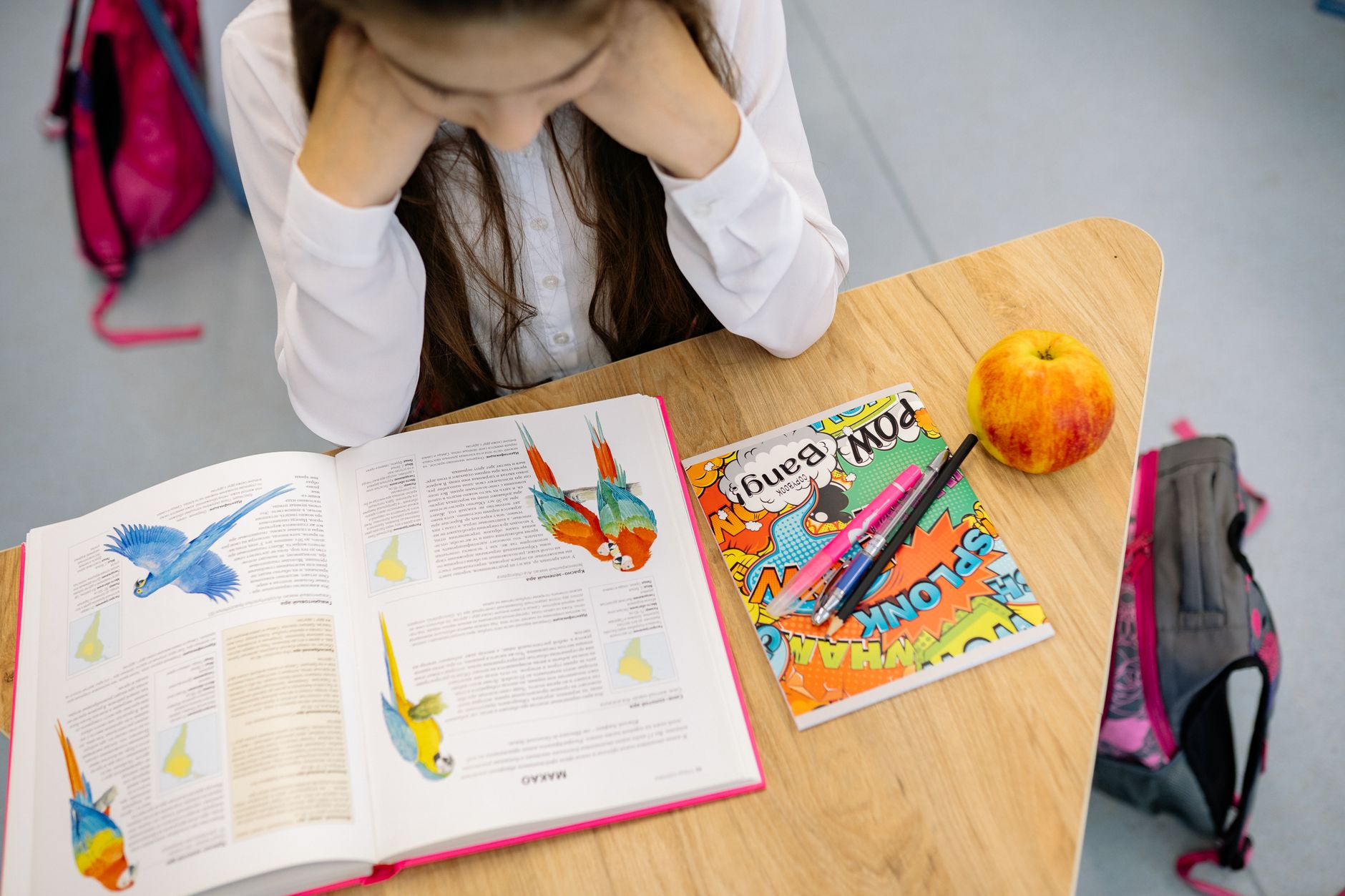
Photo by Yan Krukau / Pexels
Reports of a possible move to a three-day school week in Punjab — floated as a measure to cut fuel consumption — sparked uncertainty among students, parents, and teachers in September 2026, before the province's education minister pushed back on the idea.
What the minister actually said
Punjab Education Minister Rana Sikandar Hayat said no formal proposal to close schools for three days a week had been placed before him, despite the reports circulating publicly. He argued that the education sector should be kept out of fuel-saving restrictions that risk disrupting regular academic activity — a notable pushback given that Punjab had already implemented a related, less drastic measure earlier in the year.
The measure that did happen
Prior to the three-day reports, Punjab had already moved public and private schools — along with colleges and universities — to a four-day academic week, holding classes Monday through Thursday with Fridays off. That change was itself justified on fuel-saving grounds, meaning the three-day proposal reports represented an escalation of an already-implemented policy rather than an entirely new idea appearing out of nowhere.
Why fuel-saving school schedules are a real policy lever
Government and institutional fuel-consumption reduction measures — reduced school days, adjusted office hours, and similar steps — have become a recurring tool in Pakistan's policy toolkit as the country manages import costs tied to fuel and broader energy pressure. Our explainer on Pakistan's petrol and diesel pricing mechanism covers the cost pressures driving these kinds of consumption-reduction measures in more detail.
The tension this exposes
The episode highlights a recurring tension in Pakistani education policy: fuel and cost pressures create real incentives to reduce school days, but doing so has direct costs for learning time — an especially sensitive trade-off given Pakistan's already significant out-of-school children crisis and the broader challenge of learning outcomes for children who are enrolled. A minister explicitly arguing that education should be exempted from fuel-saving measures reflects that underlying tension, even if this specific three-day proposal did not move forward as reported.
Build Better Pakistan's Education Desk tracks provincial education policy as part of our ongoing coverage.
This article is part of our Education coverage — Access, quality and the out-of-school children crisis.
Frequently Asked Questions
- Is Punjab actually moving to a three-day school week?
- No formal proposal had been placed before Punjab's Education Minister as of mid-September 2026, according to Minister Rana Sikandar Hayat, despite widespread reports and public concern about a possible three-day closure.
- Has Punjab changed school days before for fuel-saving reasons?
- Yes — Punjab had earlier moved public and private schools, colleges, and universities to a four-day week (Monday to Thursday, with Fridays off), a measure that predates the three-day proposal reports.
Related Reading

HEC Warns Students: Unapproved Foreign Degree Partnerships Won't Be Recognised
The Higher Education Commission issued a public alert on September 27 telling students to verify that any foreign degree offered through a local Pakistani institution appears on HEC's approved Transnational Education partner list before enrolling or paying fees.
BBP Education Desk · September 27, 2026 · 4 min
37,708 Students Qualified for MBBS in Punjab's MDCAT 2026 — Public Colleges Have Room for a Fraction
The University of Health Sciences Lahore declared MDCAT 2026 results on September 24: 37,708 candidates qualified for MBBS out of 47,475 who sat the test, against roughly 3,376 public-sector MBBS seats in the province.
BBP Education Desk · September 25, 2026 · 3 min

Punjab Approves New School Curriculum, Cuts Textbook Load by 25%
Punjab Chief Minister Maryam Nawaz Sharif approved a revised curriculum on September 24 that trims textbook volume by 25 percent and adds QR-coded video lessons, starting with Early Childhood Education through Grade 5 for the academic session beginning April 2027.
BBP Education Desk · September 24, 2026 · 3 min