Shehbaz Offers PTI Talks Again, But Only After the Long March Stops
Prime Minister Shehbaz Sharif renewed his offer of dialogue with PTI on October 7, but conditioned it on the party ending its long march and sit-ins first, while warning the protest could hurt exports, manufacturing and a recovering economy.
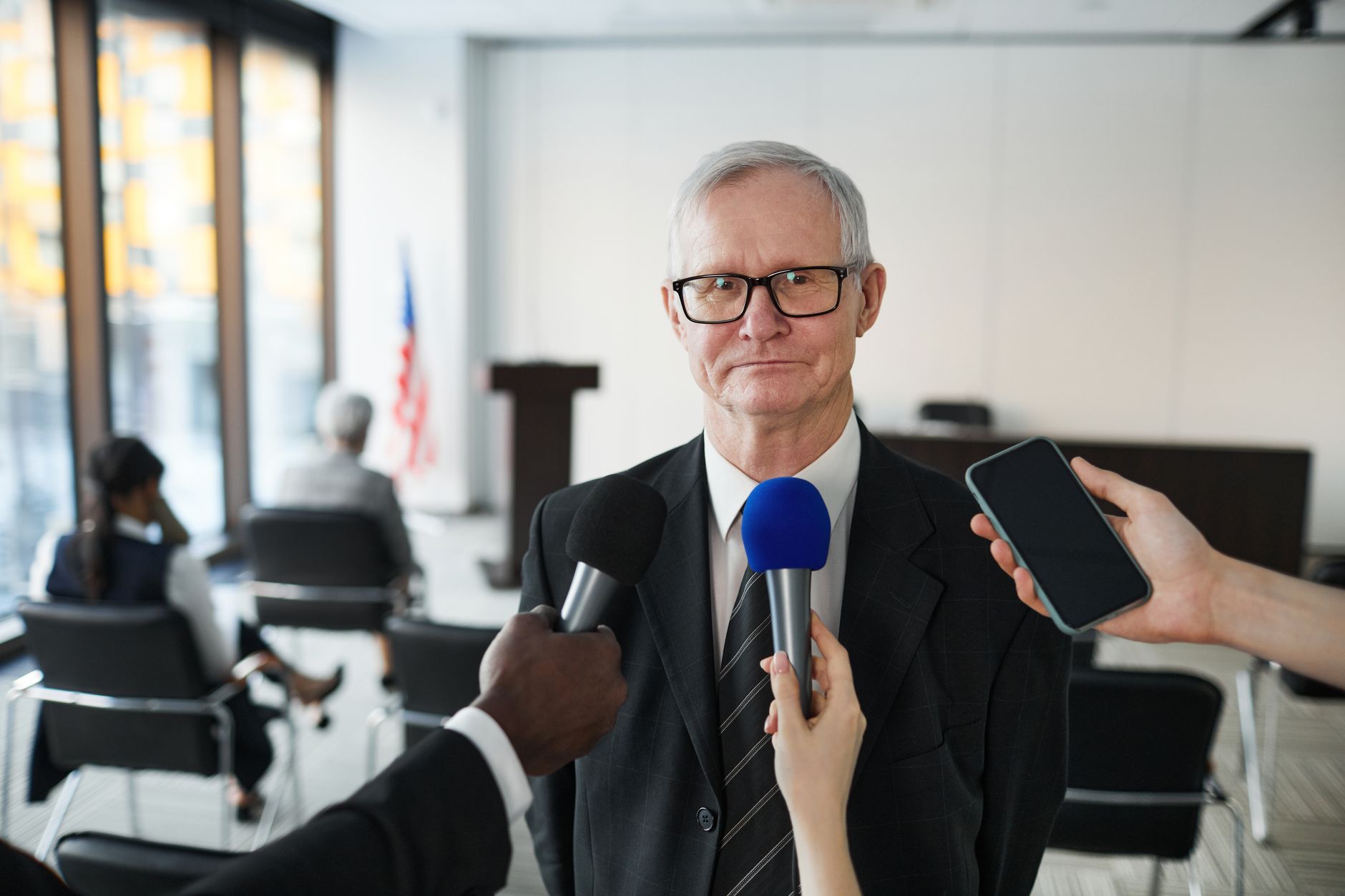
Photo by Werner Pfennig / Pexels
Prime Minister Shehbaz Sharif used a public appearance on October 7 to repeat an offer he has made before: talks with PTI are available, but only once the party calls off its long march and winds down its sit-ins. Until then, he said, the government will not negotiate under what he described as pressure tactics.
The offer, and the condition attached to it
Shehbaz's position, as relayed by multiple outlets covering his remarks, was unambiguous about sequencing: end the march and sit-ins first, and dialogue follows. He framed the preceding negotiation attempt as proof that PTI was not negotiating in good faith. By his account, a joint committee of PML-N and PPP representatives had already sat down with PTI's negotiators and worked toward a finalised draft agreement, only for the process to stall when PTI's side demanded last-minute changes to terms the two sides had already settled. That account lines up with the breakdown we covered when the second round of talks collapsed hours before PTI's march actually departed, though Shehbaz went further this time, saying PTI's "sole objective was to sabotage the dialogue" rather than reach an agreement.
The remarks came as Khyber Pakhtunkhwa Chief Minister Sohail Afridi continued leading the march convoy through its slower, extended route toward Islamabad — the same convoy Afridi has openly described as a deliberate long campaign rather than a rush to the capital. Shehbaz's offer, in other words, landed in the middle of a march PTI has already signalled it intends to sustain for some time, not call off on short notice.
An economic argument, not just a political one
What distinguished October 7's remarks from earlier rounds of the same back-and-forth was Shehbaz's choice to frame the march primarily as an economic threat. He warned that continued protests, sit-ins and long marches could carry serious consequences for the economy, specifically citing the risk to exports, manufacturing and imports, and argued the disruption comes at a moment when economic activity is only beginning to recover. That framing ties the political standoff directly to the government's broader economic narrative this year, built around Pakistan's staff-level agreement with the IMF and a string of improving indicators the government has been eager to protect from disruption.
It's a different argument than the security-and-order case the government has leaned on in prior rounds, when officials like Adviser Rana Sanaullah warned mainly that the march would not be permitted to enter Islamabad's limits and that the law would be enforced against any disorder. Shehbaz's October 7 remarks kept that line intact — the government has not softened its position that the march stops short of the capital — but added a cost-of-doing-business argument aimed as much at Pakistan's business community and export sector as at PTI itself.
Where that leaves both sides
Nothing in Shehbaz's statement suggests either side has moved. PTI has shown no indication it will end the march in exchange for a promise of future talks, having already walked away from a draft agreement once over unresolved demands, including Khyber Pakhtunkhwa's refusal to commit to counterterrorism cooperation and PTI's demand for Imran Khan's access to personal physicians. The government, for its part, is repeating an offer it has made in some form at nearly every stage of this standoff, without changing the precondition that has twice failed to produce a deal.
What has changed is the venue for the argument: rather than another closed-door session in the National Assembly Speaker's chamber, Shehbaz took the offer — and the warning attached to it — public, aiming it at an audience well beyond PTI's negotiating team.
Build Better Pakistan's Politics Desk is tracking the long march and the government's response as events develop.
This article is part of our Politics & Governance coverage — Institutions, local government and how power actually gets exercised.
Frequently Asked Questions
- What did PM Shehbaz Sharif say about talks with PTI on October 7?
- Shehbaz Sharif repeated his offer to hold talks with PTI, but said dialogue could only resume once the party ended its long march and sit-ins. He said a joint PML-N–PPP committee had already negotiated with PTI, but the process stalled after PTI demanded last-minute changes to a finalised draft, and accused PTI's leadership of using the talks to sabotage dialogue rather than reach one.
- Why does Shehbaz say the long march is an economic problem, not just a political one?
- He warned that sustained protests, sit-ins and long marches risk disrupting exports, manufacturing and imports at a moment when Pakistan's economic activity is being revived, pointing to the same recovery underpinning the government's recent IMF staff-level agreement and growth forecasts.
Related Reading
PTI Authorises Fazlur Rehman to Mediate With the Government — But He Hasn't Said Yes Yet
PTI's KP president Junaid Akbar says his party has authorised JUI-F chief Maulana Fazlur Rehman to mediate its deadlock with the government, after a government delegation briefed him on the stalled talks. Fazl has laid down five conditions and not yet accepted the role.
BBP Politics Desk · October 9, 2026 · 3 min
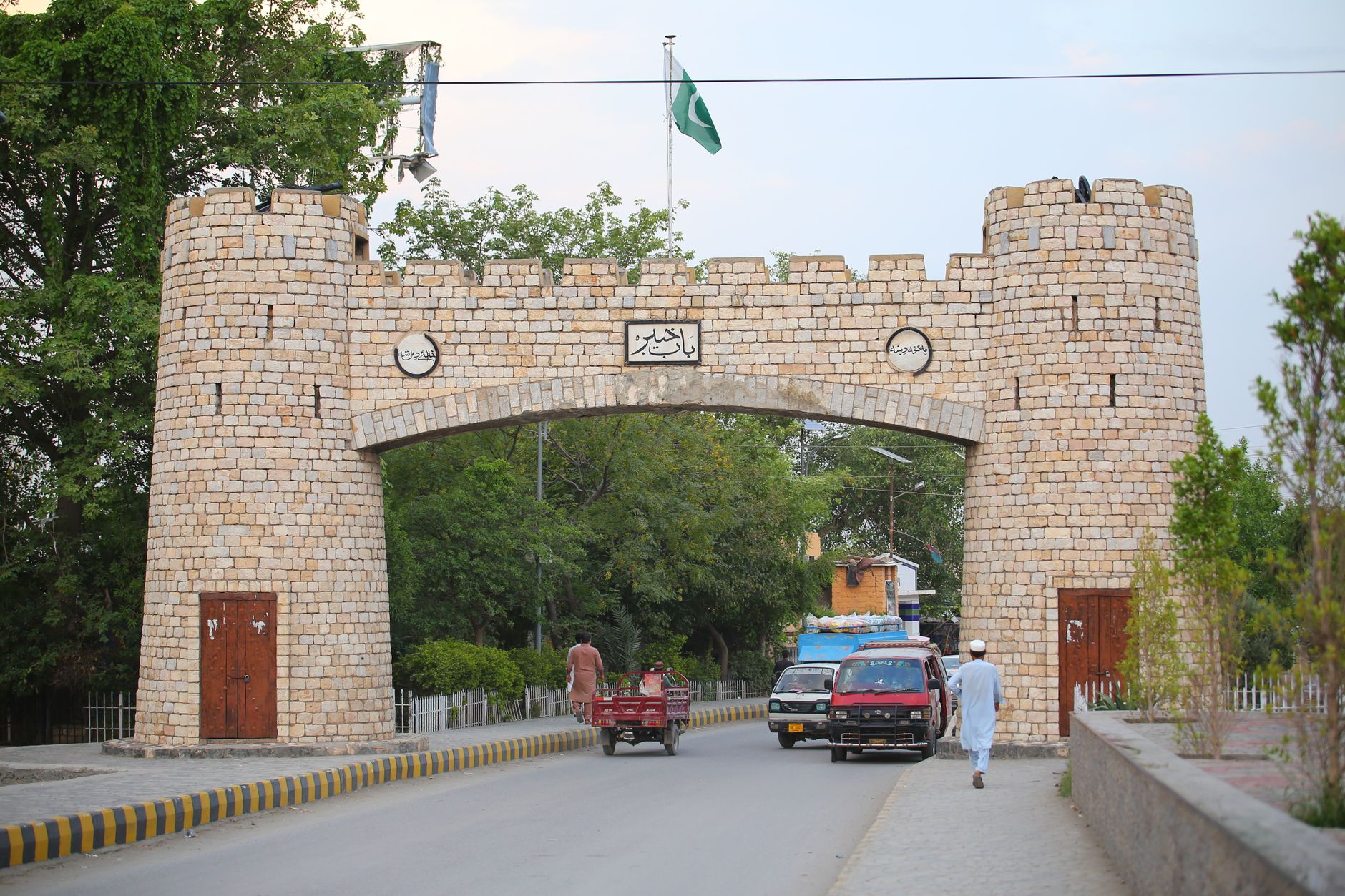
Afridi Says He Was Asked to Back a New Military Operation in Exchange for Help on Imran Khan. He Refused.
Addressing long march participants in Khyber district on October 7, KP Chief Minister Sohail Afridi said he would not endorse another military operation in the province and claimed he'd been offered assurances on Imran Khan's treatment in return for doing so — while pledging his own counterterrorism policy could restore peace within 100 days.
BBP Politics Desk · October 7, 2026 · 4 min
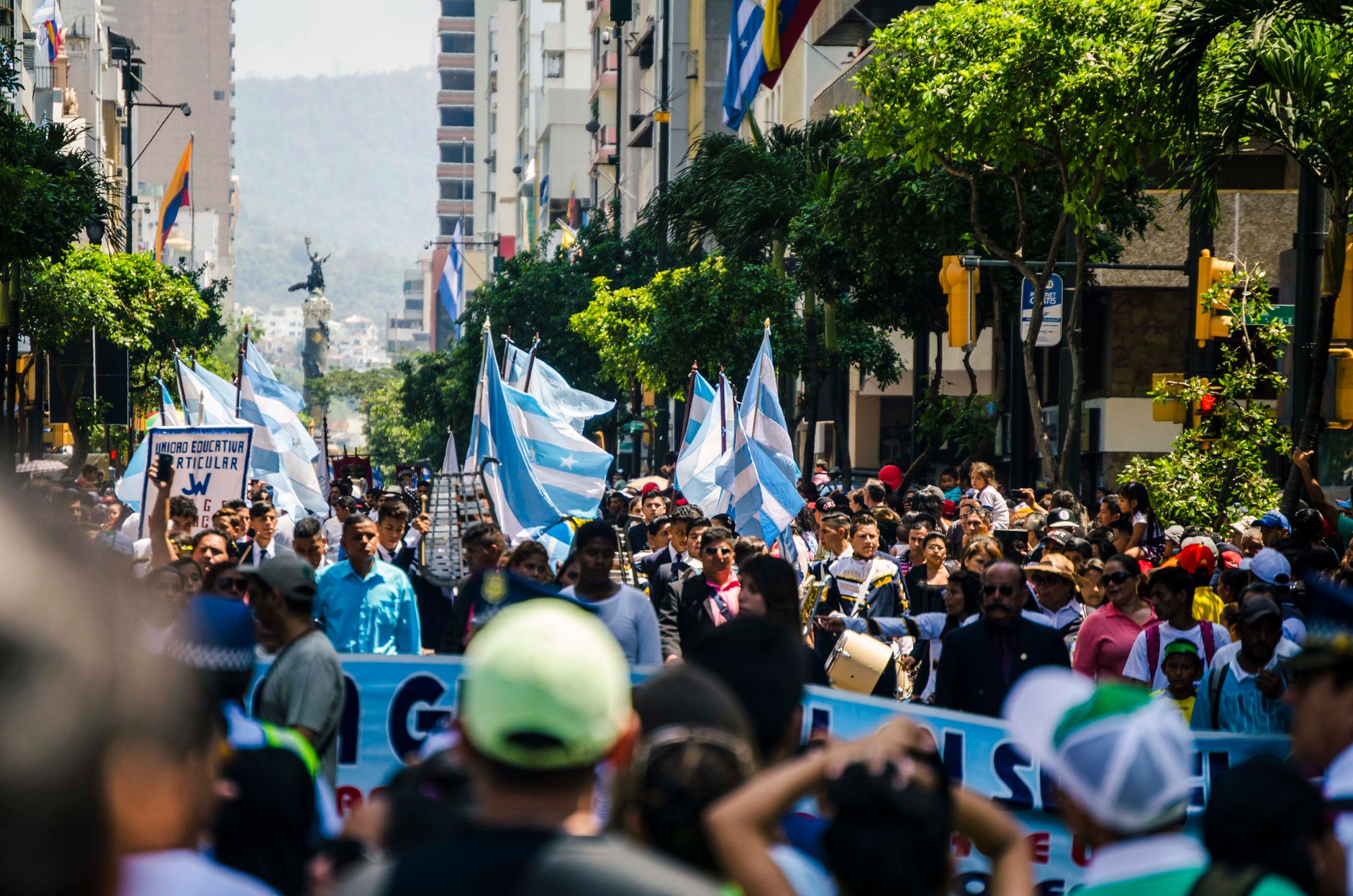
PTI's Long March Skips Peshawar for Khyber, and Afridi Calls It a 'Slow-Burn' Strategy
Instead of pushing straight for Peshawar as its published schedule promised, PTI's long march diverted into Khyber district on October 6 — and KP Chief Minister Sohail Afridi openly reframed the march as a prolonged campaign, not a rush toward Islamabad.
BBP Politics Desk · October 6, 2026 · 3 min