Thirteen Militants Killed in Two Balochistan Operations as Forces Use Quadcopters in Kachhi
Security forces killed seven militants in an intelligence-based operation in Sherani on October 1 and six more in Kachhi's Sanni area, where quadcopters were used to target the group — part of two separate ongoing counter-militancy campaigns in the province.
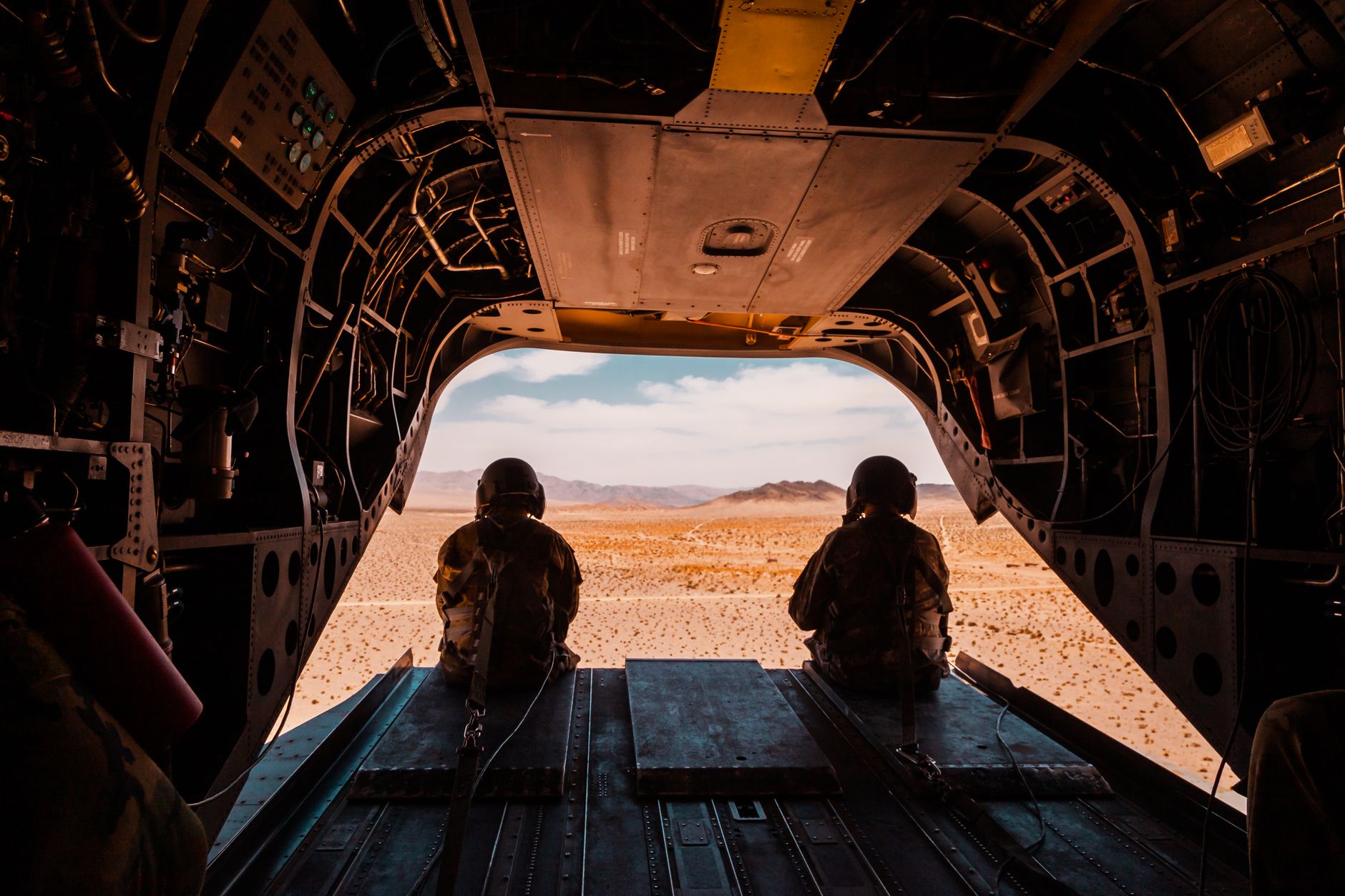
Photo by Art Guzman / Pexels
Pakistani security forces killed thirteen militants in two separate intelligence-based operations (IBOs) in Balochistan on October 1, according to statements from the military's Inter-Services Public Relations (ISPR) wing — one in Sherani district and another in the Sanni area of Kachhi district roughly 250 kilometres to the south.
The Sherani operation
In Sherani, forces moved in on reports of militants belonging to what the ISPR terms Fitna al-Khawarij, the label the military uses for networks it associates with the Tehreek-e-Taliban Pakistan (TTP). Seven militants were killed after an intense exchange of fire, and the ISPR said weapons, ammunition and explosives were recovered from the site. The statement described the group as having been "actively involved in numerous terrorist activities" in the area and said a follow-on sanitisation operation was underway to clear any remaining fighters. Prime Minister Shehbaz Sharif subsequently commended the armed forces for the operation's completion.
The Kachhi operation
Separately, six militants were killed in the Sanni area of Kachhi district in an operation the ISPR tied to Operation Radd-ul-Fitna 3, the military's campaign against what it calls Fitna al-Hindustan — its term for Baloch separatist fighters it alleges are backed by India. According to the ISPR's account, the militants were tracked and engaged using quadcopters, with a large quantity of weapons and ammunition recovered afterward. A clearance operation in the surrounding area continued after the engagement.
The use of quadcopters in the Kachhi operation is notable: it reflects a continued shift by Pakistani security forces toward drone-assisted targeting in Balochistan's difficult terrain, rather than relying solely on ground assault to clear fortified or dispersed militant positions.
Part of a wider pattern
Both operations sit inside broader, named counter-militancy campaigns rather than standing as isolated incidents. We've previously covered the province-wide Operation Shaban, the joint Pakistan Army–Frontier Corps–police offensive launched in July 2026 that runs on two fronts — against the TTP in the Pashtun-majority north and against Baloch separatist groups in the south — in our report on security operations around Shaban and Kech. Kachhi's Operation Radd-ul-Fitna 3 is a distinct, longer-running effort specifically targeting separatist networks the state links to Indian support, a framing that has become a standard part of ISPR's public messaging on Balochistan operations through 2026.
The scale of October 1's combined toll — thirteen militants across two districts in a single day — is consistent with the tempo of operations the province has seen for most of the year, including the hostage-rescue operation we covered in Kalat earlier in 2026 and the earlier large-scale campaign detailed in our report on 71 killed in 96-hour operations.
Why it matters
Balochistan's security situation remains the most persistent domestic security challenge Pakistan is managing, running in parallel with the separate conflict along the Afghan border. The province combines two distinct militant threats — a TTP-linked insurgency concentrated in its Pashtun belt and a long-running Baloch separatist movement in the south and west — and the state's own statements continue to frame the latter explicitly as foreign-backed, a characterisation that shapes both its military response and its diplomatic posture toward India. Civilians in both districts remain exposed to the operations' aftermath, including the sanitisation and clearance phases the ISPR says are still underway.
Build Better Pakistan's Security Desk tracks counter-militancy operations in Balochistan and Khyber Pakhtunkhwa as the state reports them.
This article is part of our Security coverage — Public safety, policing and community trust.
Frequently Asked Questions
- What happened in Balochistan on October 1, 2026?
- Security forces carried out two separate intelligence-based operations (IBOs) in Balochistan on October 1. In Sherani district, seven militants described by the military as India-sponsored Fitna al-Khawarij were killed. In the Sanni area of Kachhi district, six militants were killed in an operation that used quadcopters to target them, as part of a campaign the ISPR labelled Operation Radd-ul-Fitna 3 against Fitna al-Hindustan.
- What is Fitna al-Khawarij and Fitna al-Hindustan?
- Both are labels the Pakistani military uses in official statements for militant networks it says operate against the state — Fitna al-Khawarij refers to the group Pakistan associates with the Tehreek-e-Taliban Pakistan (TTP), while Fitna al-Hindustan is the ISPR's term for Baloch separatist militants it alleges receive Indian backing.
Related Reading

Shehbaz and Munir Meet Trump at the White House as Pakistan Signs Drone MoU With Trump-Linked Firm
PM Shehbaz Sharif and Field Marshal Asim Munir met Donald Trump, JD Vance and Marco Rubio at the White House on September 25 to discuss counterterrorism cooperation. Days earlier, Pakistan's Ministry of Defence signed a memorandum with Powerus, a drone startup backed by Donald Trump Jr and Eric Trump, for a limited procurement order whose value and systems remain undisclosed.
BBP Security Desk · October 1, 2026 · 4 min
Pakistan Says 22 Killed in Afghanistan Airstrikes; Kabul Says Nine Civilians Died
Pakistan struck two sites in Afghanistan's Kunar and Helmand provinces on the night of September 30, saying it killed 22 militants. The Taliban government says nine civilians died and three houses were destroyed, and Hamid Karzai has condemned the strikes.
BBP Security Desk · October 1, 2026 · 3 min
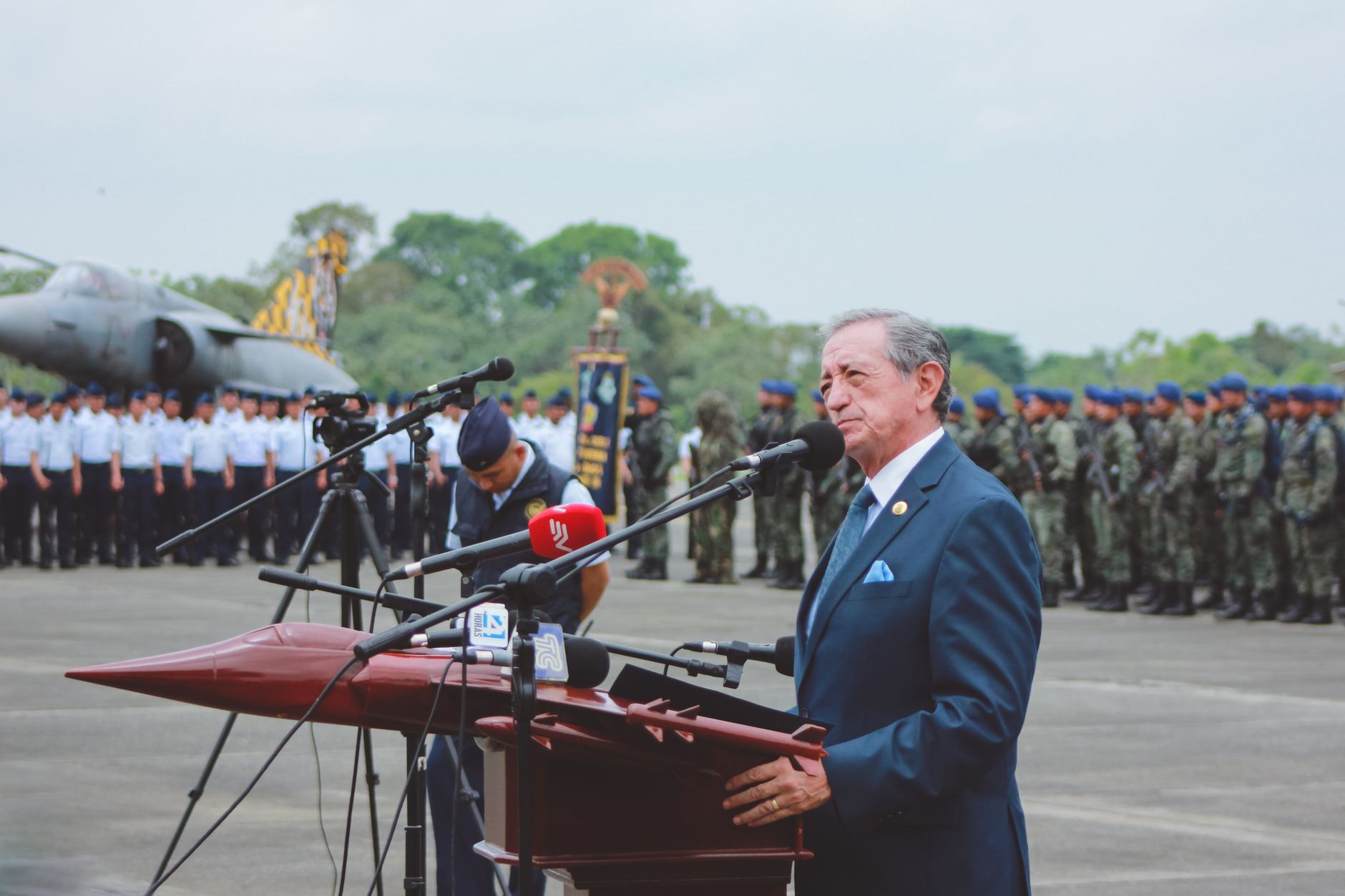
Pakistan's Army Produces the Man India Said It Killed in Kashmir
DG ISPR Lt Gen Ahmed Sharif Chaudhry presented retired SSG Havildar Muhammad Asif alive at a Rawalpindi press conference on October 1, rebutting Indian claims that a soldier by that name had been killed as a Lashkar-e-Taiba commander in occupied Kashmir.
BBP Security Desk · October 1, 2026 · 3 min