Nearly 40% of Faisalabad's Power Looms Have Shut Down, Leaving 100,000 Jobless
Industry figures put the toll of Pakistan's power-loom crisis at nearly 40% of units in Faisalabad and adjoining towns shut and more than 100,000 workers out of work, as owners blame cheaper under-invoiced Chinese yarn and grey cloth alongside rising utility costs.
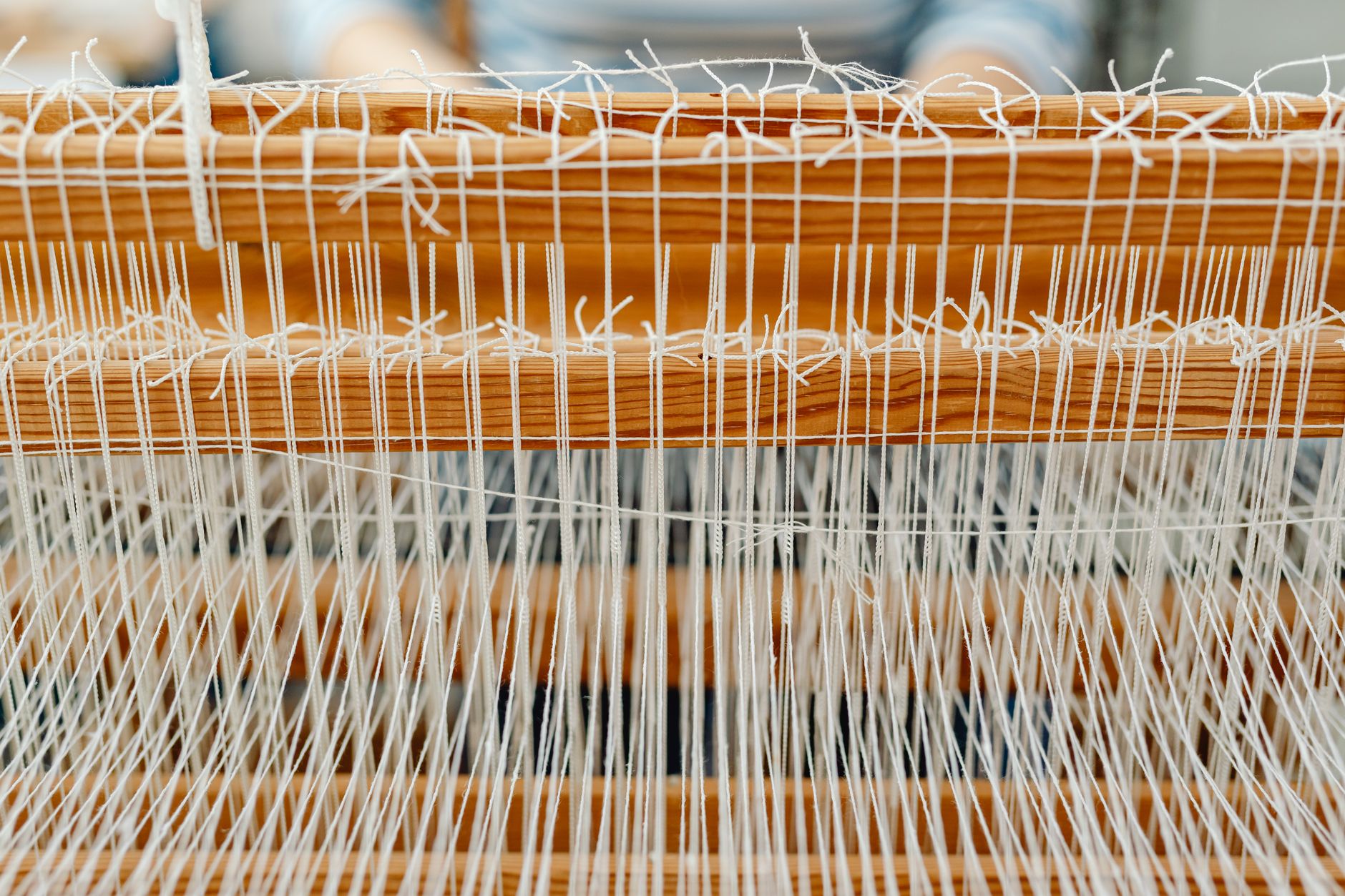
Photo by Kaboompics.com / Pexels
Nearly 40% of power-loom units in Faisalabad and the towns around it have shut down, leaving more than 100,000 workers without jobs, according to industry figures reported this week — the clearest sign yet that Pakistan's largest power-loom hub is in genuine crisis rather than a seasonal slowdown.
The scale of the closures
Faisalabad, long known as Pakistan's textile hub, hosts the bulk of the country's power-loom capacity alongside allied industries like yarn sizing. Industry estimates put the toll at close to 40% of units in the city and adjoining towns going idle, with the job losses concentrated among workers who depend on looms running at or near capacity to earn a living. For a sector the Council of Loom Owners Association has described as central to the local economy, a closure rate at that scale represents one of the sharpest contractions power-loom owners have reported in recent memory.
Why owners blame Chinese imports
Loom owners point to cheaper Chinese yarn, grey cloth and finished textile products as the immediate cause of the squeeze. The complaint isn't simply that imported yarn is cheaper — it's that a meaningful share of it is allegedly entering the country under-invoiced, with its declared value understated to reduce the duty owed and undercut domestically produced yarn on price in a way legitimate imports wouldn't. The Council of Loom Owners Association has called for stronger Customs checks specifically to curb that practice, arguing that enforcement, not tariff policy alone, is the gap that needs closing.
That enforcement gap is not an abstract complaint. It sits alongside Pakistan's broader struggle to police under-invoicing and retail tax compliance, and the same enforcement squads tasked with catching smuggled and under-invoiced goods at the source are themselves operating in some of the country's most dangerous districts — two FBR enforcement officials were killed and their weapons seized in a Dera Ismail Khan shooting this week, a reminder that customs enforcement in Pakistan carries risks well beyond the paperwork.
The cost side of the squeeze
Cheaper imports are only half the story. Loom owners also cite Pakistan's electricity and gas tariffs — among the highest in the region for industrial users — and tax costs as structural burdens that leave domestic producers unable to compete even before accounting for under-invoiced competition. Pakistan's industrial tariff structure has been under review for months, including a NEPRA review of the industrial tariff package in October, but owners say relief has not reached the power-loom sector fast enough to prevent closures already underway.
Why this matters beyond Faisalabad
Textiles remain Pakistan's largest single export earner, and the sector's headline export figures — which held at roughly $18 billion for fiscal year 2025-26 — have so far looked resilient on paper. But that resilience sits uneasily next to a power-loom crisis unfolding at the lower, more labour-intensive end of the same supply chain. A sector that can post flat-to-positive export revenue while shedding 100,000 jobs at the loom-owner level is one where the pain is concentrated in small and mid-sized operators rather than the larger exporters whose output dominates the national trade figures — a gap that matters for anyone assessing how healthy Pakistan's textile economy actually is beneath the export headline.
What happens next
The Council of Loom Owners Association's push for stronger Customs enforcement against under-invoicing is likely to be the sector's central demand in the coming weeks, alongside continued pressure for industrial tariff relief. Whether either arrives quickly enough to slow the pace of closures remains the open question for a workforce that has already lost more than 100,000 jobs to a sector-wide downturn with no clear floor yet.
Build Better Pakistan's Economy Desk is tracking the power-loom sector and will update this piece as industry and government figures respond.
This article is part of our Economy coverage — Inflation, growth, trade and the everyday cost of living across Pakistan.
Frequently Asked Questions
- How bad is the power-loom crisis in Faisalabad?
- Nearly 40% of power-loom units across Faisalabad and adjoining towns have stopped operating, throwing more than 100,000 workers out of employment, according to industry figures reported this week. Faisalabad is Pakistan's largest hub for power looms and allied industries such as yarn sizing.
- What is causing power-loom units to close?
- Loom owners point to a combination of factors: cheaper Chinese yarn, grey cloth and finished textile products entering the market, much of it allegedly under-invoiced to understate its declared value and dodge duties, alongside rising electricity and gas tariffs and tax costs that leave domestic producers unable to compete on price.
Related Reading
State Firms' Net Return to Treasury Falls 91% Even as Profits Hold Up, Finance Ministry Report Shows
The Finance Ministry's biannual state-owned enterprise report, released under an IMF condition, shows the net fiscal flow from SOEs to the state fell 91% to Rs35 billion in July-December 2025, even as aggregate SOE profit fell a comparatively modest 7% to Rs423.3 billion, after government support jumped 31% to Rs804 billion.
BBP Economy Desk · October 6, 2026 · 3 min

Pakistan's Services Exports Jump 28.9% as IT and Freelancers Outrun Goods Trade
Pakistan Bureau of Statistics data show services exports rose 28.9% to $1.81 billion in the first two months of FY27, with IT and telecom services up 17.36% to $811 million and freelance exports up 44% to $352 million, even as goods exports kept running a wider trade deficit.
BBP Economy Desk · October 6, 2026 · 3 min

IMF Hands Pakistan Its First MEFP Draft as Both Sides Race Toward a Staff-Level Deal This Week
The IMF mission shared its first Memorandum of Financial and Economic Policies draft with Islamabad on October 4, surfacing gaps over the current account deficit and power subsidies — with a staff-level agreement on $1.2 billion in financing expected before the mission leaves this week.
BBP Economy Desk · October 6, 2026 · 4 min