Three Weather Systems Collide Over Punjab, Triggering a Ravi River Flood Alert and 'Record-Breaking' Rain Warning
Punjab's disaster management authority warned of record-breaking rainfall through October 7 as a Mediterranean-fed western disturbance, an Arabian Sea low and a Bay of Bengal depression converge, prompting a Ravi River flood alert and a dam discharge increase to 37,000 cusecs.
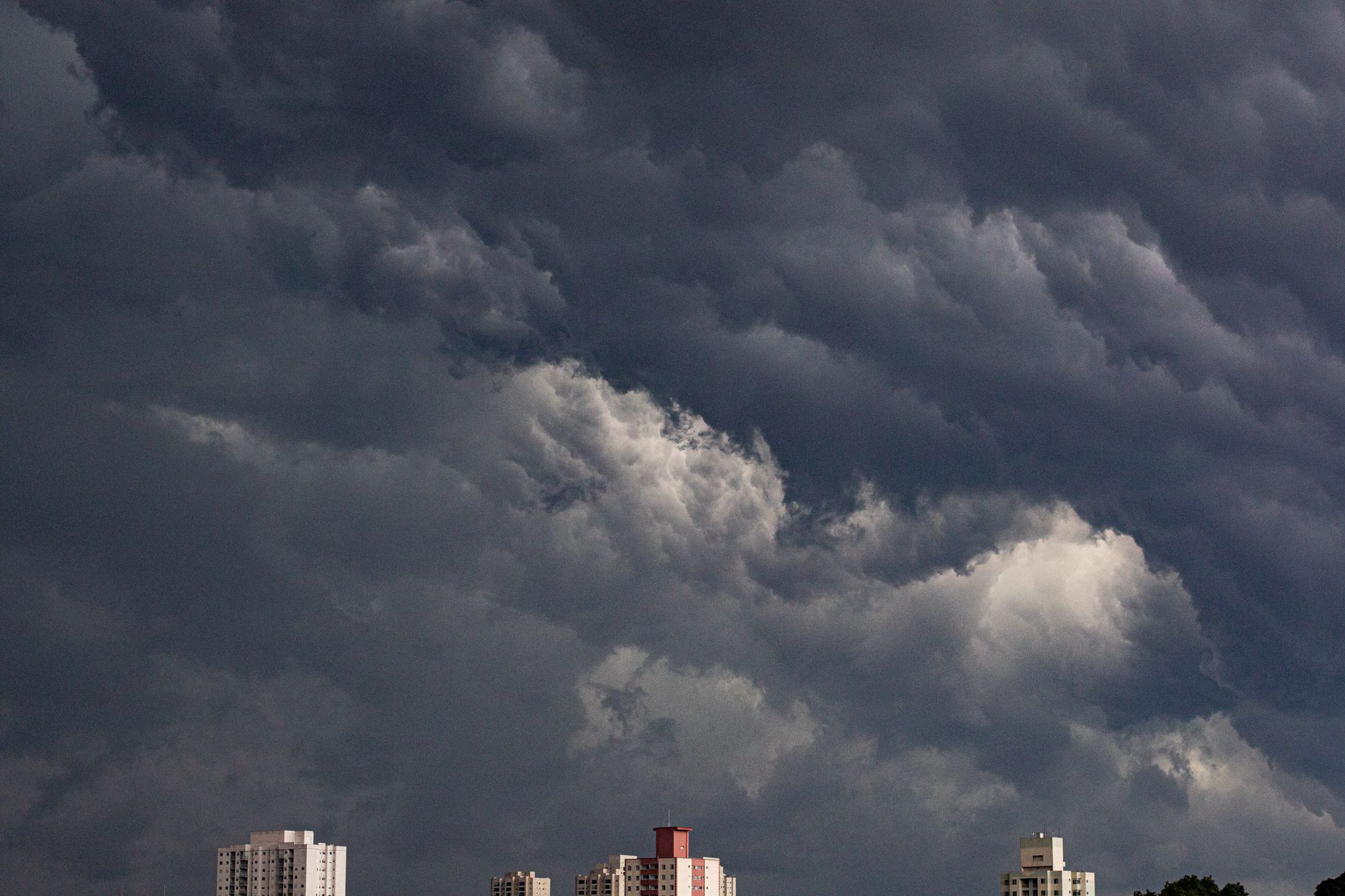
Photo by Lucas Pezeta / Pexels
Punjab's Provincial Disaster Management Authority issued a rain and flood alert covering October 6 and 7, warning that three weather systems arriving together would push rainfall to record-breaking levels across much of the province and into Islamabad and Rawalpindi.
Three systems, one province
PDMA and the Pakistan Meteorological Department attributed the spell's unusual intensity to a rare overlap: a fresh western disturbance moving in from the Mediterranean, a low-pressure area forming over the northeast Arabian Sea, and a depression strengthening over the Bay of Bengal, all converging on Punjab within the same 48-hour window. Forecasters put peak intensity on Monday, October 6, warning of very heavy rainfall — 115 to 204mm — at isolated places, alongside thunderstorms, hailstorms and gusty winds of 40 to 50 kilometres an hour. It's the kind of compounding system this desk flagged as an emerging pattern after Rawalpindi's rain emergency in late September, where a single late-season spell was already enough to shut schools and trip power feeders in the twin cities.
Where the alert applies
The advisory named a long list of districts spanning the province's north and centre: Rawalpindi, Murree, Galiyat, Attock, Chakwal and Jhelum in the Pothohar belt; Mandi Bahauddin, Gujrat, Gujranwala, Hafizabad, Wazirabad, Sialkot and Narowal further east; and Lahore, Kasur, Sheikhupura, Mianwali, Khushab, Sargodha, Jhang, Toba Tek Singh and Faisalabad across central Punjab. That spread means the alert isn't confined to the hill districts that usually take the brunt of hailstorms and flash flooding — it covers the dense, low-lying agricultural and urban belt running through the province's economic core.
A river pushed into alert territory
The most consequential single decision behind the warning was upstream: authorities raised discharge from the Ranjit Sagar Dam to 37,000 cusecs as a water-management measure ahead of the rain's peak, a release that pushed the Ravi River into flood-alert status in Punjab. PDMA has activated emergency helplines in response and is advising residents in low-lying areas along the riverbanks to stay clear of the water's edge, with restrictions on moving livestock near the river until the discharge and incoming rainfall are brought back under control. The dam release illustrates a recurring feature of Punjab's flood risk that this desk has tracked through 2026 — that a meaningful share of the danger to Ravi-side communities originates not from rainfall inside Pakistan but from water-management decisions on dams upstream, timed around whatever spell is forecast to hit next.
What happens after the peak passes
PDMA's advisory frames October 6 and 7 as the peak window, after which the three converging systems are expected to weaken and move on, easing the rainfall intensity even if residual showers continue into the following days. The more durable question is what the Ravi's level does once the Ranjit Sagar discharge and the rain both taper off — whether the river settles back under normal thresholds, as Nullah Lai did after Rawalpindi's September emergency, or whether the two inputs compound into something administrations have to manage for longer. District authorities in the affected belt have said monitoring will continue through the week, with further guidance to come if water levels remain elevated once the rain itself clears.
Build Better Pakistan's Climate Desk tracks flooding, monsoon patterns and civic emergency response across Pakistan.
This article is part of our Climate & Environment coverage — Floods, water scarcity and building a more climate-resilient country.
Frequently Asked Questions
- Why is this rain spell being called record-breaking?
- Forecasters have linked the intensity to three separate weather systems arriving at once: a fresh western disturbance moving in from the Mediterranean, a low-pressure area over the northeast Arabian Sea, and a depression strengthening over the Bay of Bengal. Their overlap raised the forecast to very heavy rainfall — 115 to 204mm — at isolated places, well above what a single system typically produces this late in the year.
- What triggered the Ravi River flood alert, and what should residents near the river do?
- Authorities raised discharge from the Ranjit Sagar Dam to 37,000 cusecs as a water-management measure ahead of the rain peaking, which pushed the Ravi into flood-alert territory. PDMA has activated emergency helplines and told residents in low-lying riverside areas to stay away from the riverbanks and keep livestock clear of the water's edge until levels are reassessed.
Related Reading
EU Monitor Places Lahore in Its Worst Band for Ground-Level Ozone
A new Copernicus Atmosphere Monitoring Service report, published September 30, ranks Lahore among cities with 'extremely poor' ozone levels, as heatwaves and emissions pushed a third of the world's population into the same category this year.
BBP Climate Desk · September 30, 2026 · 3 min

Pakistan Needs $565.7 Billion for Its Climate Pledges. It Has Accessed Less Than Half a Billion.
Pakistan's NDC 3.0 commits to cutting emissions up to 50 percent by 2035, a target the World Bank prices at $565.7 billion. Reporting this week found the country has drawn under half a billion dollars from the main global climate funds combined.
BBP Climate Desk · September 28, 2026 · 4 min
Pakistan's Reservoirs Enter Rabi Season at Lowest Level Since 2021
Combined storage at Tarbela and Mangla has fallen below 9.5 million acre feet ahead of the Rabi season that starts October 1 — the lowest carryover in five years, with IRSA bracing provinces for a shortage of around 25 percent as wheat sowing begins.
BBP Climate Desk · September 28, 2026 · 4 min