EU Monitor Places Lahore in Its Worst Band for Ground-Level Ozone
A new Copernicus Atmosphere Monitoring Service report, published September 30, ranks Lahore among cities with 'extremely poor' ozone levels, as heatwaves and emissions pushed a third of the world's population into the same category this year.
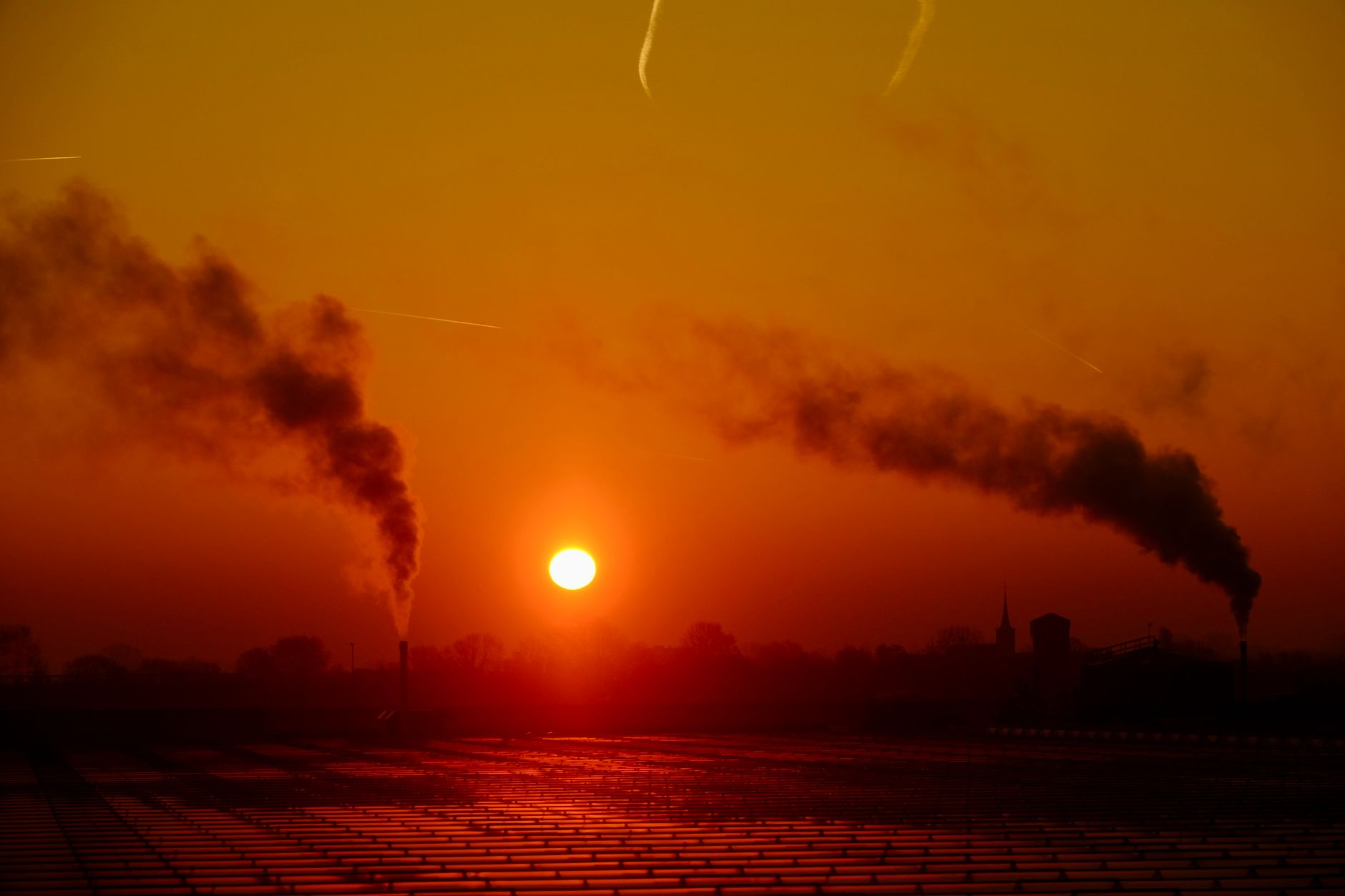
Photo by Lal Toraman / Pexels
A new report from the European Union's Copernicus Atmosphere Monitoring Service (CAMS), published on September 30, 2026, places Lahore among the cities with "extremely poor" levels of ground-level ozone — the worst band in the service's rating system.
What the report measured
The CAMS Atmosphere Watch 2026 review covers data from January 1 to September 15, 2026, and classifies cities by the average of their daily ozone highs across the six worst months of that period. CAMS defines its "extremely poor" band as any reading above 110 micrograms per cubic metre — nearly double the World Health Organization's guideline of 60 micrograms per cubic metre for safe exposure. Lahore was placed in that top band, alongside other major cities across Asia.
A different pollutant from Lahore's usual headlines
Ground-level ozone is not the same thing as the particulate smog that typically puts Lahore atop global pollution rankings each winter. Punjab's familiar AQI crisis, driven by vehicle emissions, crop burning, and brick-kiln pollution, is a cold-season, particulate-matter problem. Ozone forms through a different chemical process: heat and sunlight reacting with emissions from vehicles, industry, and wildfires. That makes it a warm-season pollutant, which is why this report's data window — running through the hottest stretch of the year — captures a problem that Lahore's winter AQI rankings do not.
The global and regional picture
CAMS found that 34 percent of the world's population was exposed to "extremely poor" ozone levels at some point between January 1 and September 15, 2026, driven by a combination of heatwaves, wildfires, and human-caused emissions. Asia was the hardest-hit region by a wide margin: 53 percent of the continent's population experienced "extremely poor" conditions, with another 22 percent exposed to the next-worst "very poor" category. That regional concentration reflects the same mix of dense urban emissions and intensifying heat that has made South Asian cities a recurring fixture of global pollution rankings.
Why ozone is harder to fix than smog
Unlike some other pollutants that have responded to policy intervention, ground-level ozone has proven difficult to bring down even where other air-quality measures have improved, because the warming climate itself creates more of the heat and sunlight conditions that drive its formation. That is a structurally different challenge from the stubble-burning and vehicle-emission sources that Punjab's environmental agency has targeted with drones and fines this smog season — enforcement against a single local source does little against a pollutant whose formation is accelerated by rising regional temperatures. It also connects to a broader pattern this site has tracked all year: Karachi's record-breaking heatwave in September and Lahore's ozone ranking are two symptoms of the same underlying trend, in which hotter, more erratic seasons are compounding pollution problems that Pakistani cities already struggled to manage.
What this means for Lahore
The CAMS classification does not replace or override Punjab's existing AQI monitoring — it is a separate, globally standardised measure that puts Lahore's air-quality problem in an international context Pakistani readers rarely see. It also arrives at an inconvenient moment: Punjab's Environment Protection Agency has spent the past week front-loading its usual winter anti-smog enforcement, and this report is a reminder that at least part of the city's pollution burden comes from a warm-season mechanism that drone surveillance and crop-burning fines are not designed to address.
Build Better Pakistan's Climate Desk tracks air-quality data and climate-linked health risks across Pakistan's major cities.
This article is part of our Climate & Environment coverage — Floods, water scarcity and building a more climate-resilient country.
Frequently Asked Questions
- What does an 'extremely poor' ozone rating actually mean?
- The Copernicus Atmosphere Monitoring Service (CAMS) defines its worst band, 'extremely poor,' as a peak-season ozone level above 110 micrograms per cubic metre, measured as the average of daily highs over a city's six worst months. The World Health Organization's guideline for safe exposure is 60 micrograms per cubic metre, so the threshold for this band is nearly double what WHO considers safe.
- Is this the same as the smog and AQI readings Lahore usually makes headlines for?
- No. This report measures ground-level ozone specifically, a different pollutant from the particulate matter (PM2.5/PM10) that drives Lahore's familiar winter smog and AQI rankings. Ozone forms when heat and sunlight react with emissions from vehicles, industry, and wildfires, which is why it is classified separately and tends to peak in warmer months rather than Punjab's cooler winter smog season.
Related Reading
Pakistan Needs $565.7 Billion for Its Climate Pledges. It Has Accessed Less Than Half a Billion.
Pakistan's NDC 3.0 commits to cutting emissions up to 50 percent by 2035, a target the World Bank prices at $565.7 billion. Reporting this week found the country has drawn under half a billion dollars from the main global climate funds combined.
BBP Climate Desk · September 28, 2026 · 4 min
Pakistan's Reservoirs Enter Rabi Season at Lowest Level Since 2021
Combined storage at Tarbela and Mangla has fallen below 9.5 million acre feet ahead of the Rabi season that starts October 1 — the lowest carryover in five years, with IRSA bracing provinces for a shortage of around 25 percent as wheat sowing begins.
BBP Climate Desk · September 28, 2026 · 4 min
Rain Emergency Declared in Rawalpindi as Downpour Floods Islamabad's Twin City
Heavy rain across Islamabad, Rawalpindi and parts of Punjab and KP on September 28 shut schools, tripped power feeders and pushed Rawalpindi's civic agencies onto a full rain-emergency footing, with Nullah Lai monitored through the day.
BBP Climate Desk · September 28, 2026 · 3 min