Three Transgender Women Shot Dead Near Karachi, Community Demands Arrests
The bodies of three transgender women, each shot at close range, were found on the outskirts of Karachi near Memon Goth on September 20. A week on, no arrests have been made, and the Khwaja Sira community has held repeated protests demanding action.
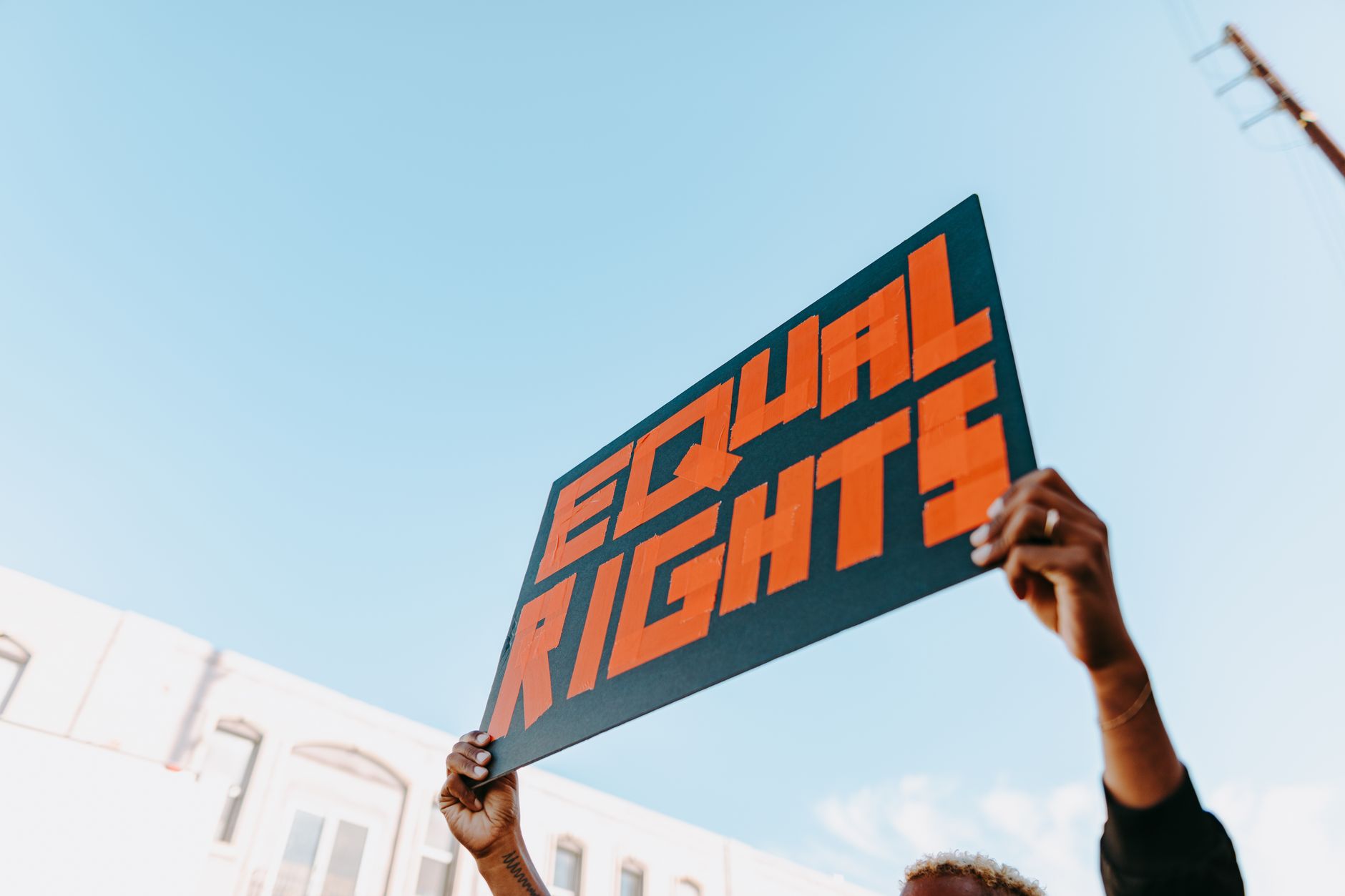
Photo by RDNE Stock project / Pexels
Gunmen shot and killed three transgender women near the Memon Goth police station on the outskirts of Karachi, with their bodies found on the roadside on Sunday, September 20, 2026. A week later, no arrests have been made, and members of the Khwaja Sira community have held repeated protests demanding that police find those responsible.
What happened
Police say each of the three victims was shot at close range — two in the chest, one in the head — before the attackers fled. The motive has not been established, and investigators have not named suspects. The killings prompted an immediate response from Sindh Chief Minister Murad Ali Shah, who ordered an investigation and said transgender citizens are "an oppressed section of society" and that those responsible would be arrested. As of this writing, police describe the search for the killers as ongoing, with no arrests reported.
The community's response
Transgender rights activists and civil society groups have staged repeated demonstrations since the killings, including a rally outside the Karachi Press Club under the banner "Justice for the Khwaja Sira Community." Organisers, among them Chandni Shah, Sarah Gul, advocate Nisha Rao, Kami Choudhry and Bandia Rana, have said protests will continue until arrests are made. Members of the community also gathered outside Karachi's state-run Jinnah Hospital in the days immediately following the killings and have warned of nationwide demonstrations if the case stalls.
A pattern, not an isolated incident
The Memon Goth killings are the latest entry in a documented pattern of lethal violence against transgender people in Pakistan, concentrated but not confined to Sindh and Khyber Pakhtunkhwa. Pakistan's Trans-Action Alliance has recorded 91 transgender women killed in Khyber Pakhtunkhwa alone since 2015, alongside more than 2,000 registered cases of violence against the community in that province. Separately, rights monitors have documented 55 killings of transgender people in Sindh between 2022 and September 2025, 17 of them in Karachi — a toll that made this month's killings a grim continuation rather than a break from the pattern, not an exception to it.
Legal protections have gone backward, not forward
Pakistan's Parliament passed the Transgender Persons (Protection of Rights) Act in 2018, granting transgender citizens legal recognition of self-identified gender along with inheritance and anti-discrimination protections. That protection did not hold: in May 2023, the Federal Shariat Court struck down the provisions covering self-identified gender recognition and inheritance rights, ruling them inconsistent with Islamic law. Rights groups have argued since that ruling that it stripped away the legal scaffolding the community relied on to seek protection and redress, leaving cases like the Memon Goth killings to be pursued as ordinary murder investigations rather than under any framework built specifically to address violence targeting transgender people.
Why accountability here is the real test
Chief Minister Shah's public commitment to arrests sets a marker civil society groups are now watching closely, in a province where the 2022-2025 killing count already shows how often such cases go unresolved. Access to a functioning justice system is a recurring theme across the cases we cover — the same backlog and follow-through problems that slow ordinary criminal cases, detailed in our courts backlog explainer, shape whether a case like this one produces an arrest or simply adds to the toll. The pattern of blaming or dismissing victims that surfaces in gender-based violence cases more broadly, which we examined in a recent report on victim-blaming, is the same dynamic transgender rights advocates say they are fighting against here — the difference this time is that the chief minister has already put his own name behind a promise of arrests.
Build Better Pakistan's Rights Desk tracks accountability, access to justice and the treatment of marginalised communities under Pakistani law.
This article is part of our Rights & Justice coverage — Access to justice, courts and civil rights.
Frequently Asked Questions
- What happened to the three transgender women killed near Karachi?
- Gunmen shot and killed three transgender women near the Memon Goth police station on the outskirts of Karachi, with their bodies discovered on the roadside on Sunday, September 20, 2026. Each victim had been shot at close range — two in the chest and one in the head — and the attackers fled the scene.
- Has anyone been arrested for the killings?
- As of this writing, no arrests have been reported. Sindh Chief Minister Murad Ali Shah ordered an investigation and said those responsible would be arrested, while police say a manhunt is underway. The motive has not been established.
Related Reading

Rights Group Tells UN Council Pakistan's Child Marriage Laws Are Only as Good as Their Enforcement
Human Rights Focus Pakistan told the UN Human Rights Council's 63rd session that roughly 19 million women and girls in Pakistan were married before 18, and that 54% of those marriages happened in provinces that already had a legal minimum age of 18 at the time — evidence, HRFP says, that new laws mean little without prosecutions behind them.
BBP Rights Desk · September 28, 2026 · 4 min
Balochistan CM Confirms 1,000 Residents to Be Relocated Ahead of Shor Parod Operation
Sarfraz Bugti told the Balochistan Assembly that around 1,000 people from the mountainous Shor Parod area of Mastung district will be temporarily relocated for a security operation, as Kalat's administration set a September 28 deadline to vacate and residents elsewhere reported similar orders.
BBP Balochistan Desk · September 28, 2026 · 3 min

Federal Constitutional Court Upholds Ban on Ahmadi Community's Core Religious Text
Pakistan's Federal Constitutional Court dismissed all petitions against a 2014 Punjab government ban on the 23-volume Rohani Khazayeen, the Ahmadiyya community's foundational religious writings, prompting UN and international rights groups to renew concern over the community's treatment.
BBP Rights Desk · September 28, 2026 · 4 min