Rights Group Says Victim-Blaming Culture Is Compounding Pakistan's Gender Violence Crisis
Voice of Pakistan Minority says 3,172 gender-based violence cases were reported nationally in the first six months of 2026, including 644 murders and 132 honour killings, and argues that a culture of scrutinising victims rather than perpetrators is letting the crisis go unaddressed.
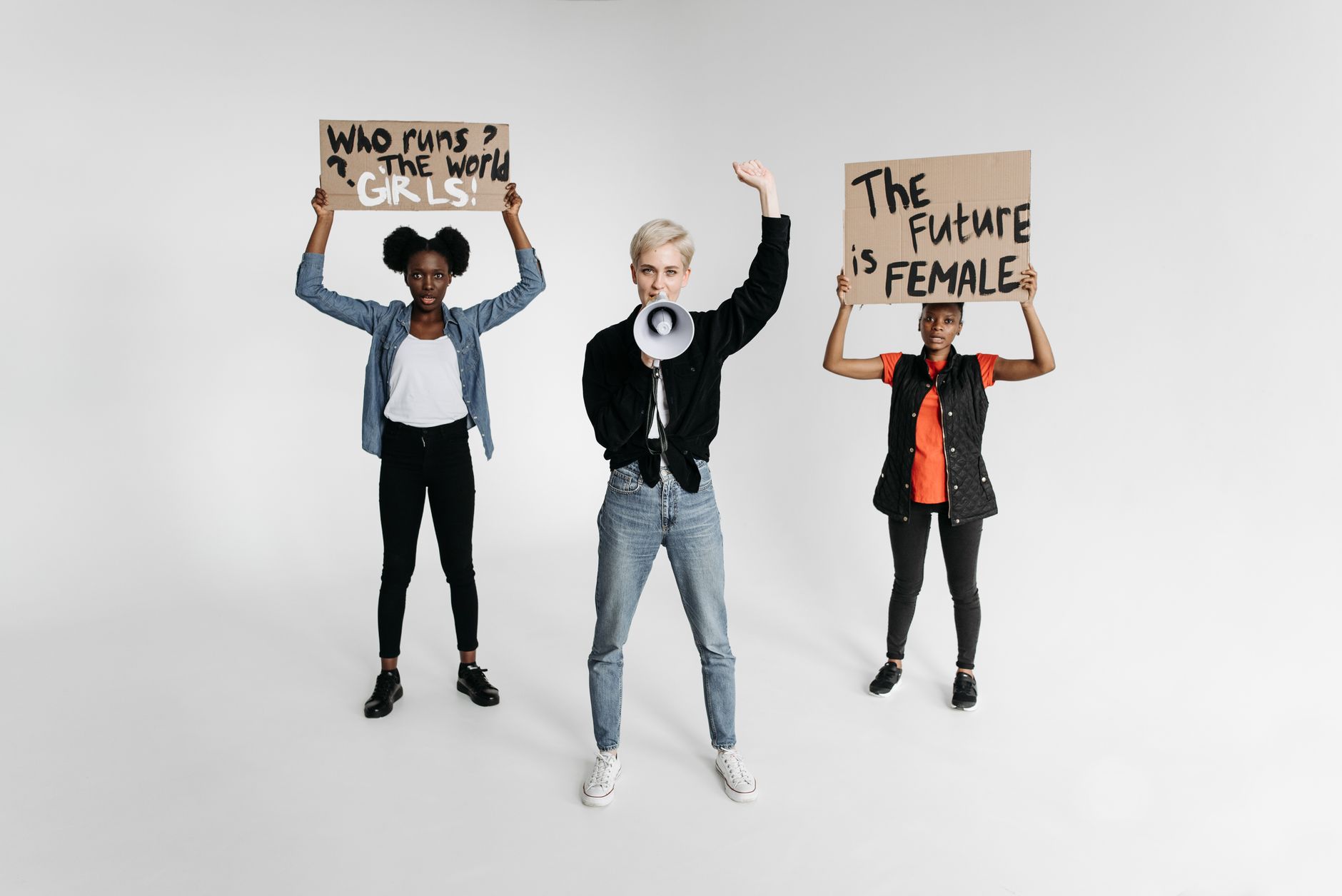
Photo by Pavel Danilyuk / Pexels
Pakistani rights group Voice of Pakistan Minority (VOPM) says a deep-rooted culture of victim-blaming is compounding an already severe gender-based violence crisis, pointing to newly compiled figures showing 3,172 reported cases nationally in the first six months of 2026.
The scale of the numbers
The figures, drawn from Sahil's Six Months Cruel Numbers Report and cited by VOPM in its September 25 statement, break down as 644 murders, 514 cases of torture, 462 abductions, 363 suicides, 280 rapes, 175 injuries, 132 honour killings and 21 other offences including harassment, gang rape and cases involving pornography. Eighteen of the recorded cases involved transgender victims. Punjab accounted for roughly 74% of all reported cases and Sindh around 17%, with more than half occurring inside the victim's own home. Victims aged 21 to 30 made up the largest single group, at 334 cases, followed by 306 victims aged 11 to 20 and 120 aged 31 to 40.
Rights researchers who compile this kind of data routinely caution that the real total is higher still, since fear, shame, family pressure and distrust of police keep an unknown share of cases from ever being reported.
What VOPM is arguing
Beyond the numbers, VOPM's statement focused on how Pakistani society responds once a case does become public. "In Pakistan, a woman can be raped and still be asked what she did to cause it," the group said. "She can be harassed over her clothes, location, or character. She can be murdered in the name of honour. Yet people still debate her choices instead of condemning the crime." The statement went on to reject the underlying logic point by point: "A woman's clothes do not cause rape. Travelling at night does not justify assault. Trust does not equal consent. Rejecting a man does not give him the right to attack or kill."
The group singled out honour killings specifically, describing them as crimes rooted in a belief that men are entitled to control women's choices rather than in any genuine notion of family honour — a framing that shifts responsibility for the killing away from the perpetrator and onto the victim's conduct.
Why the framing matters
VOPM's core argument is that victim-blaming isn't just a social attitude sitting alongside the violence — it functions as a mechanism that discourages reporting, undermines prosecutions, and gives communities cover to treat perpetrators as less culpable than the women they harmed. That connects directly to the underreporting problem in the case data itself: when survivors expect scrutiny of their own conduct rather than support, many will choose not to report at all, meaning the reported total likely understates the true scale of violence.
The pattern also intersects with other rights issues this site has tracked, including systemic barriers to timely justice in Pakistan's court system, where prolonged case backlogs can leave survivors waiting years for resolution even when they do come forward, and broader accountability gaps documented in Pakistan's response to UN findings on enforced disappearances.
What comes next
VOPM has not announced specific policy demands beyond the statement itself, but the timing lands alongside broader UN-level scrutiny of Pakistan's rights record this month, including submissions on minority and gender protections at the ongoing session of the UN Human Rights Council. Whether that scrutiny translates into concrete legislative or enforcement changes domestically — such as expanded protection mechanisms or faster prosecution pathways for gender-based violence cases — remains an open question that will play out over the coming months rather than this news cycle.
Build Better Pakistan's Rights Desk covers gender-based violence, minority rights and access to justice as part of our ongoing coverage.
This article is part of our Rights & Justice coverage — Access to justice, courts and civil rights.
Frequently Asked Questions
- How many gender-based violence cases were reported in Pakistan in the first half of 2026?
- According to Sahil's Six Months Cruel Numbers Report, cited by rights group Voice of Pakistan Minority (VOPM), Pakistan recorded 3,172 gender-based violence cases in the first six months of 2026. The breakdown includes 644 murders, 514 cases of torture, 462 abductions, 363 suicides, 280 rapes and 132 honour killings. Punjab accounted for about 74% of cases and Sindh around 17%.
- What does 'victim-blaming culture' mean in this context?
- VOPM says women who report or survive violence are routinely scrutinised over their clothing, movements, or personal choices rather than the crime itself being condemned. The group's statement put it directly: a woman "can be raped and still be asked what she did to cause it... can be murdered in the name of honour. Yet people still debate her choices instead of condemning the crime."
Related Reading
Rights Group Tells UN Council Pakistan's Child Marriage Laws Are Only as Good as Their Enforcement
Human Rights Focus Pakistan told the UN Human Rights Council's 63rd session that roughly 19 million women and girls in Pakistan were married before 18, and that 54% of those marriages happened in provinces that already had a legal minimum age of 18 at the time — evidence, HRFP says, that new laws mean little without prosecutions behind them.
BBP Rights Desk · September 28, 2026 · 4 min
Balochistan CM Confirms 1,000 Residents to Be Relocated Ahead of Shor Parod Operation
Sarfraz Bugti told the Balochistan Assembly that around 1,000 people from the mountainous Shor Parod area of Mastung district will be temporarily relocated for a security operation, as Kalat's administration set a September 28 deadline to vacate and residents elsewhere reported similar orders.
BBP Balochistan Desk · September 28, 2026 · 3 min
Federal Constitutional Court Upholds Ban on Ahmadi Community's Core Religious Text
Pakistan's Federal Constitutional Court dismissed all petitions against a 2014 Punjab government ban on the 23-volume Rohani Khazayeen, the Ahmadiyya community's foundational religious writings, prompting UN and international rights groups to renew concern over the community's treatment.
BBP Rights Desk · September 28, 2026 · 4 min