KP Governor Summons the Province's Top Cop Without the CM. Afridi Calls It an Attack on the Constitution.
Governor Faisal Karim Kundi chaired a security review on October 6 with KP's chief secretary and IG police present but not Chief Minister Sohail Afridi, who called the meeting unconstitutional, accused the PPP of trying to engineer 'another East Pakistan,' and said the assembly would legislate to impeach the governor if no law already allows it.
Photo by Efrem Efre / Pexels
Khyber Pakhtunkhwa's simmering standoff between its elected government and its federally appointed governor broke into open conflict this week, after Governor Faisal Karim Kundi summoned the province's chief secretary and police chief to a security review on October 6 without Chief Minister Sohail Afridi in the room.
What the governor did
Kundi chaired the meeting to go over the province's security, law-and-order and counterterrorism picture, including the PTI long march then making its way toward Islamabad. Chief Secretary Shahab Ali Shah and Inspector General of Police Zulfiqar Hameed both attended and briefed him on operational capacity, manpower, resources, procurement and infrastructure gaps facing the police and the Counter Terrorism Department. Governor's office officials later pointed to the province's Rules of Business, arguing Kundi was within his rights to seek information on policing and law-and-order matters directly from the officials who hold that information.
Afridi's response
Afridi did not see it that way. Addressing the provincial cabinet, he called the meeting "an attack on the Constitution and democracy" and said the governor has no authority to summon the chief secretary and IG police without going through the chief minister. He went further, accusing the PPP — Kundi's party — of trying to engineer "another East Pakistan" situation, a reference loaded with the weight of 1971 that he tied to what he described as the party's history of prioritising its own interests over the country's. He said his government would not let anyone break up Pakistan, and that if no law currently permits the governor's impeachment, the KP Assembly would write one. On the question of who can remove a sitting chief minister, Afridi's position has been consistent for weeks: only a vote of no-confidence in the assembly can do it, not a summons to his subordinates or a governor's declaration.
Where the legal argument stands
The KP Advocate General, Shah Faisal Utmankhel, gave the provincial cabinet a reading that leans toward Afridi's side of the argument: under Article 131 of the Constitution, he reportedly told the meeting, the governor can request information from the chief minister, but cannot act independently of him by approaching other officials directly. That is a view relayed from a cabinet briefing, not a published legal opinion, so it carries weight inside the provincial government's argument without yet settling the dispute. Afridi's government says it will formally seek the Advocate General's written opinion on the meeting's constitutional status.
The bigger threat hanging over this
None of this is happening in isolation. Federal officials, including PM's adviser on political affairs Rana Sanaullah, have raised the possibility of governor's rule or emergency rule in KP repeatedly since late September, tied to the province's security situation and to the PTI-led long march that set off from Lakki Marwat on October 4 — a march we've covered as it moved through Karak and Kohat toward Peshawar. The federal government stepped back from an immediate move at the start of the month and opened direct talks with PTI instead, but those talks collapsed, and the question of emergency rule was never fully taken off the table. Afridi has separately said he was offered a trade — go along with a new military operation in the province in exchange for assurances on Imran Khan's treatment — and that he refused, pledging his own counterterrorism approach could show results within 100 days.
What to watch next
Three things determine whether this resolves quietly or escalates into the governor's rule KP has been threatened with for weeks: whether Afridi's government produces a written Advocate General opinion backing its reading of Article 131, whether Kundi calls another meeting of officials without going through the chief minister, and whether the federal cabinet decides the security situation justifies invoking emergency powers regardless of how the legal argument over this one meeting is resolved. Build Better Pakistan will track all three.
Build Better Pakistan's Politics Desk covers Khyber Pakhtunkhwa's governance crisis and the federal-provincial balance of power across Pakistan.
This article is part of our Politics & Governance coverage — Institutions, local government and how power actually gets exercised.
Frequently Asked Questions
- What did Governor Kundi actually do that triggered this?
- On October 6, 2026, Governor Faisal Karim Kundi chaired a high-level meeting reviewing Khyber Pakhtunkhwa's security, law-and-order and counterterrorism situation, including the PTI long march. Chief Secretary Shahab Ali Shah and Inspector General of Police Zulfiqar Hameed attended. Chief Minister Sohail Afridi did not, and his office says the governor had no constitutional authority to summon the province's top bureaucrat and top police officer directly.
- Could the federal government actually impose governor's rule over this?
- It has the option, and federal officials including Rana Sanaullah have said so repeatedly since late September, but no formal move has been made as of this writing. The KP Advocate General's cabinet briefing reportedly concluded that under Article 131 the governor can seek information from the chief minister but cannot act independently of him, a reading that favours Afridi's position. Afridi himself maintains a sitting chief minister can only be removed through a no-confidence vote in the assembly.
Related Reading

PTI Authorises Fazlur Rehman to Mediate With the Government — But He Hasn't Said Yes Yet
PTI's KP president Junaid Akbar says his party has authorised JUI-F chief Maulana Fazlur Rehman to mediate its deadlock with the government, after a government delegation briefed him on the stalled talks. Fazl has laid down five conditions and not yet accepted the role.
BBP Politics Desk · October 9, 2026 · 3 min
PTI's Long March Reaches Peshawar on Day Five, and Afridi Commits to Swabi
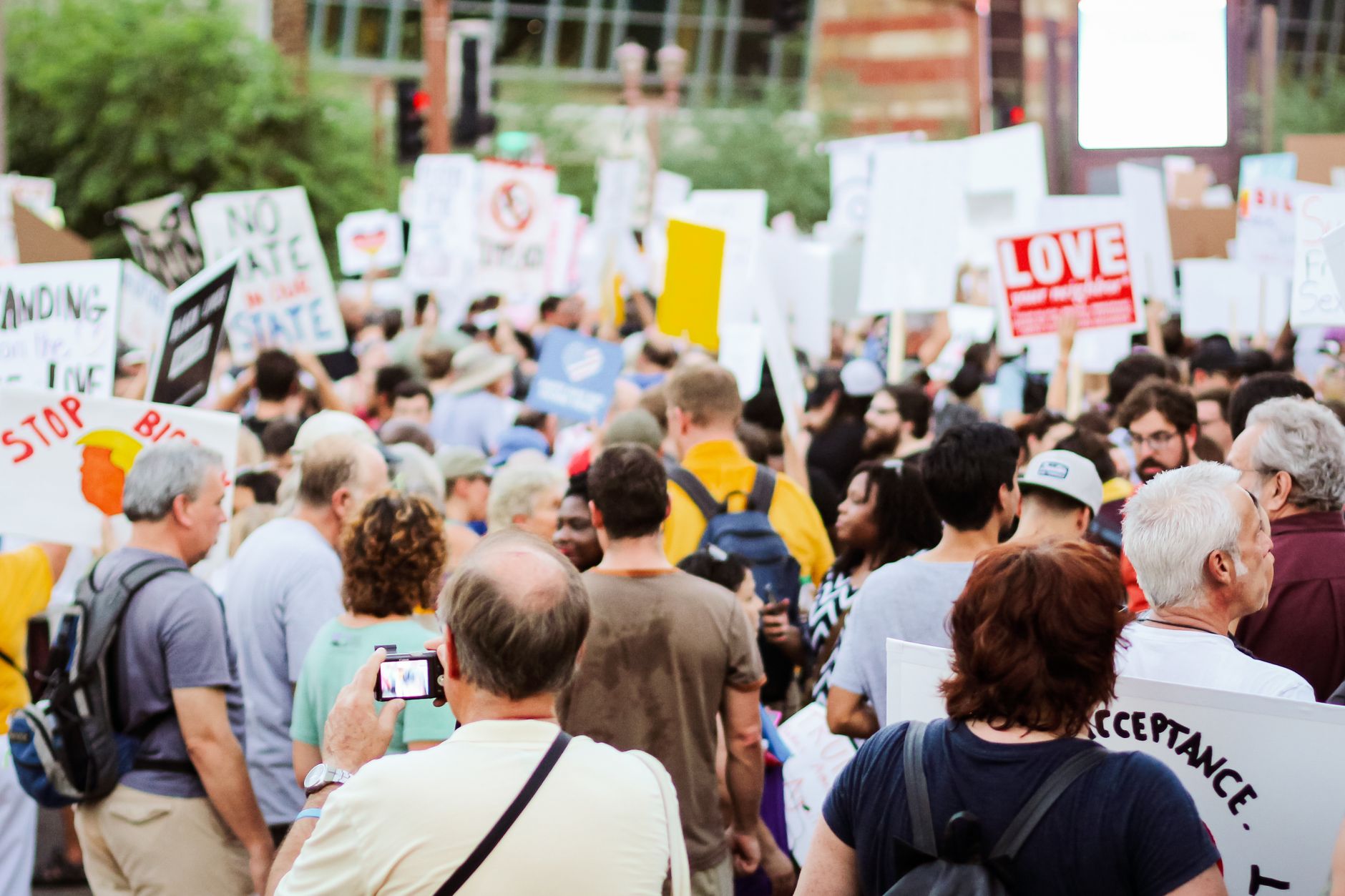
Sohail Afridi's convoy reached Peshawar's Hayatabad Toll Plaza on October 8, ending the 'slow-burn' detour through Khyber. He says the march won't turn back once it reaches Swabi, where the next phase will be announced — even as Gohar Khan keeps the door open for talks.
BBP Politics Desk · October 9, 2026 · 4 min
The Vatican's Top Diplomat Makes His First-Ever Visit to Pakistan, 75 Years Into the Relationship
Archbishop Paul Gallagher, the Holy See's Secretary for Relations with States, met Deputy PM Ishaq Dar in Islamabad on October 9 during the first visit to Pakistan by a Vatican foreign-relations chief, marking 75 years of diplomatic ties established in 1951.
BBP Politics Desk · October 9, 2026 · 4 min