The Vatican's Top Diplomat Makes His First-Ever Visit to Pakistan, 75 Years Into the Relationship
Archbishop Paul Gallagher, the Holy See's Secretary for Relations with States, met Deputy PM Ishaq Dar in Islamabad on October 9 during the first visit to Pakistan by a Vatican foreign-relations chief, marking 75 years of diplomatic ties established in 1951.
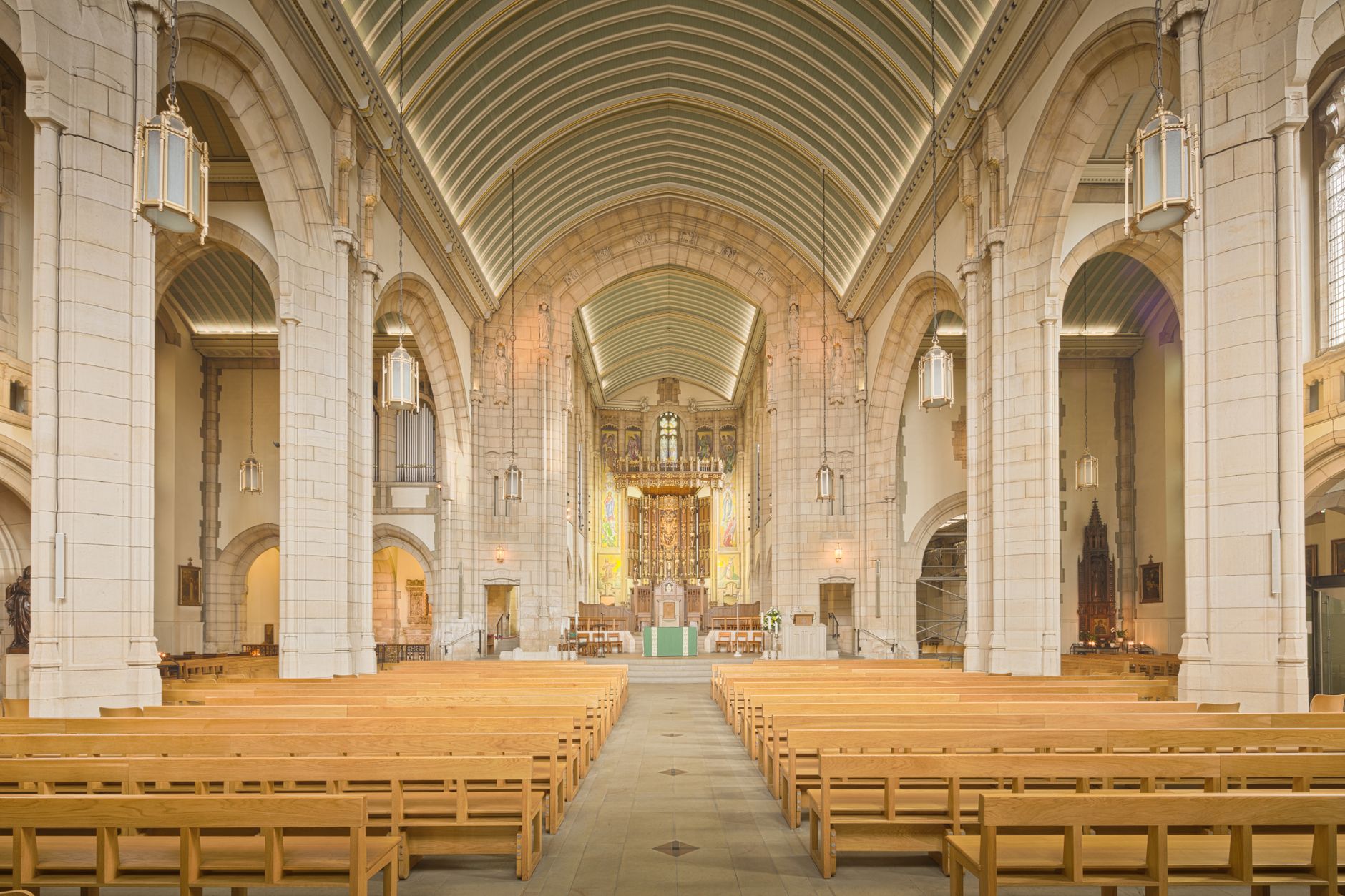
Photo by Michael D Beckwith / Pexels
A Vatican official has set foot in Pakistan for the first time in the 75-year history of the relationship between the two states. Archbishop Paul Gallagher, the Holy See's Secretary for Relations with States and International Organisations, arrived October 8 for a three-day visit at the invitation of Deputy Prime Minister and Foreign Minister Ishaq Dar — the first trip to Pakistan ever made by a Vatican diplomat holding that post.
Why this visit, and why now
Pakistan and the Holy See established diplomatic relations in 1951, four years after Pakistan's independence. Gallagher's trip was timed to the 75th anniversary of that relationship, and the Foreign Office framed it as recognition of ties that have persisted quietly through decades without a visit of this seniority ever taking place. On October 9, Gallagher met Dar in Islamabad, where he commended Pakistan's "constructive role in promoting regional peace and stability through mediation, dialogue and diplomacy," according to the Foreign Office's readout. Dar, for his part, welcomed the Vatican's own efforts to promote interfaith harmony and dialogue.
That exchange of compliments reflects a real overlap in how both sides have positioned themselves this year. Pakistan has spent 2026 repeatedly inserting itself into mediation roles well beyond South Asia — including its push for Houthi political engagement alongside Saudi Arabia and Türkiye and UN Secretary-General António Guterres's own three-day visit to Islamabad earlier this month, which touched on similar diplomatic themes. A Vatican envoy publicly crediting Pakistan with a "constructive role" in regional mediation adds another, less expected, voice to that narrative.
The humanitarian crisis both sides flagged
The Foreign Office statement said Gallagher and Dar voiced "deep concern over the continuing humanitarian crisis" and stressed the need for sustained international efforts — language that echoes Pakistan's own position on Gaza, where Islamabad has previously joined international statements calling for an end to the humanitarian toll. The Foreign Office readout didn't specify a single crisis by name, leaving room for the concern to extend to the broader set of conflicts Pakistan has been publicly engaged on this year, from Gaza to the Houthi-Saudi exchanges to the still-unresolved Afghan border dispute.
What the rest of the visit covers
Gallagher's itinerary extends well beyond the Dar meeting. On the visit's second day, he met members of the Catholic Bishops' Conference of Pakistan and took part in a conference marking the 75th anniversary of Pakistan-Holy See relations. His schedule for the final day includes celebrating Mass at the Church of Our Lady of Fatima in Islamabad, followed by a visit to the Faisal Mosque and meetings with religious leaders there — a sequence that puts a Vatican diplomat inside both a Catholic church and Pakistan's national mosque within the same day. Some reports also listed a meeting with Prime Minister Shehbaz Sharif on the visit's agenda, though the Foreign Office's own statements centred on the Dar meeting.
Why a 75-year-old relationship getting its first visit is itself the story
Pakistan's Christian community is a small minority within a Muslim-majority country, and diplomatic relations with the Holy See have functioned for decades at a lower, steadier register than Pakistan's relationships with regional powers or major trading partners — no crises, but also no visits at this level. That the first-ever trip by a Vatican foreign-relations chief lands in 2026, alongside Pakistan's heavier involvement in Middle East mediation and its UN-level diplomacy, suggests Islamabad is using a genuinely quiet relationship to reinforce the same message it has been sending through louder channels all year: that Pakistan wants to be seen as a credible broker in crises well outside its own borders.
Build Better Pakistan's Politics Desk covers Pakistan's diplomatic relationships and foreign engagements.
This article is part of our Politics & Governance coverage — Institutions, local government and how power actually gets exercised.
Frequently Asked Questions
- Who is Archbishop Paul Gallagher, and why is his visit significant?
- Gallagher is the Holy See's Secretary for Relations with States and International Organisations — effectively the Vatican's foreign minister. His October 8-10, 2026 trip is the first-ever visit to Pakistan by someone holding that position, coming as Pakistan and the Holy See mark 75 years of diplomatic relations established in 1951.
- What did Gallagher and Pakistan's officials discuss?
- Meeting Deputy Prime Minister and Foreign Minister Ishaq Dar in Islamabad on October 9, Gallagher commended Pakistan's role in regional peace efforts through mediation and dialogue. The Foreign Office said both sides also voiced concern over the ongoing humanitarian crisis in Gaza and discussed interfaith harmony.
Related Reading

PTI Authorises Fazlur Rehman to Mediate With the Government — But He Hasn't Said Yes Yet
PTI's KP president Junaid Akbar says his party has authorised JUI-F chief Maulana Fazlur Rehman to mediate its deadlock with the government, after a government delegation briefed him on the stalled talks. Fazl has laid down five conditions and not yet accepted the role.
BBP Politics Desk · October 9, 2026 · 3 min
PTI's Long March Reaches Peshawar on Day Five, and Afridi Commits to Swabi
Sohail Afridi's convoy reached Peshawar's Hayatabad Toll Plaza on October 8, ending the 'slow-burn' detour through Khyber. He says the march won't turn back once it reaches Swabi, where the next phase will be announced — even as Gohar Khan keeps the door open for talks.
BBP Politics Desk · October 9, 2026 · 4 min

Shehbaz Offers PTI Talks Again, But Only After the Long March Stops
Prime Minister Shehbaz Sharif renewed his offer of dialogue with PTI on October 7, but conditioned it on the party ending its long march and sit-ins first, while warning the protest could hurt exports, manufacturing and a recovering economy.
BBP Politics Desk · October 7, 2026 · 4 min