Supreme Court Rules Haq Mahr Is a Wife's Unconditional Right, Not a Bargaining Chip
A five-judge Supreme Court bench has ruled that dower cannot be treated as the price of marriage or made conditional on a wife's conduct or decision to seek divorce, and ordered nikah registrars to properly record and explain every dower-related clause in the nikahnama.
Photo by Katrin Bolovtsova / Pexels
Pakistan's Supreme Court has ruled that haq mahr, the dower a husband commits to pay his wife at marriage, is her unconditional legal right that cannot be used as leverage in marital disputes — a unanimous judgment that also orders sweeping changes to how nikah registrars record and explain dower agreements.
What the court decided
A five-judge bench headed by Justice Shahid Waheed, and including Justices Irfan Saadat Khan, Aqeel Ahmed Abbasi and Shahid Bilal Hassan, issued a 26-page judgment while hearing a batch of civil and criminal petitions concerning dower-related stipulations recorded in nikahnamas. The court held that haq mahr is "neither the price of the wife nor consideration in the technical common-law sense," but an exclusive proprietary right belonging to the wife alone. Where a husband fails to pay it, the bench wrote, courts must step in "not with hesitation, not with apology, but with full authority of the law."
The judgment goes further than simply affirming that dower must be paid. It explicitly bars husbands from attaching conditions to payment — for instance, agreements that make dower payable only if the wife does not seek divorce, or that tie payment to her conduct during the marriage. The court found such conditions undermine the entire purpose of haq mahr and can function as coercion rather than a genuine term of the marriage contract. The ruling also confirmed that any wedding gifts given to the bride remain her exclusive property, protected from reclamation by in-laws or the husband's family after the marriage.
New rules for how marriages get registered
Beyond the substantive ruling on dower itself, the court issued specific directions aimed at how nikahnamas are filled out at the point of marriage. Registrars must now clearly record the total amount or value of haq mahr agreed between the parties, whether that's cash, movable assets or immovable property, rather than leaving the relevant column vague or blank — a documented problem that has historically made dower disputes harder to resolve in court once a marriage breaks down. Registrars are also required to explain each relevant entry to both parties before taking their signatures or thumbprints, with particular attention to clauses covering dower, property, special conditions, or delegated divorce rights (talaq-e-tafweez). The court directed Union Council authorities to ensure nikah registrars understand these obligations through regular training and monitoring, rather than treating the requirement as a one-time instruction.
Why the enforcement gap mattered
Dower has long existed as a legal entitlement under Pakistani family law, but rights advocates have pointed to inconsistent enforcement as the practical obstacle: incomplete nikahnama documentation left many women without a clear, enforceable record of what they were owed, and conditional dower clauses gave husbands informal leverage that courts weren't always equipped to strike down. By pairing a substantive ruling on dower's unconditional character with binding procedural requirements for registrars, the court is targeting both ends of that gap — the legal right itself, and the paperwork that determines whether the right can actually be enforced later.
Where this sits alongside other rights coverage
The ruling lands in the same month that a Pakistani rights group cited figures showing 3,172 reported gender-based violence cases nationally in the first half of 2026, including 644 murders and 132 honour killings, and argued that a culture of scrutinising victims rather than perpetrators has let the underlying crisis go unaddressed. A dower ruling doesn't address violence directly, but it sits in the same broader category of cases where the practical protection available to women depends heavily on how consistently courts and local officials enforce rights that already exist on paper. Pakistan's court backlog is the other half of that equation: a woman's dower claim is only as good as her ability to get it enforced in a system where case delays are already a documented problem.
What happens next
The judgment is binding on lower courts, meaning family courts hearing dower disputes going forward must apply its reasoning that conditional dower clauses are unenforceable. The harder test is implementation at the registration level: whether Union Councils actually roll out the ordered training for nikah registrars, and whether the requirement to explain every nikahnama clause to both parties changes practice in the tens of thousands of nikah ceremonies performed across Pakistan each year, rather than remaining a directive on paper.
Build Better Pakistan's Rights Desk covers court rulings and legal protections affecting women and minorities as part of our ongoing coverage.
This article is part of our Rights & Justice coverage — Access to justice, courts and civil rights.
Frequently Asked Questions
- What did the Supreme Court actually rule on haq mahr?
- A five-judge bench headed by Justice Shahid Waheed ruled unanimously that haq mahr (dower) is a wife's mandatory, exclusive legal right rather than the price of marriage or a technical consideration. The 26-page judgment says dower cannot be withheld, cannot be linked to a wife's behaviour, and cannot be made conditional on whether she seeks divorce — and that courts must enforce payment "with full authority of the law" when a husband fails to pay it.
- What changes for nikah registrars because of this ruling?
- The court ordered that the total amount or value of haq mahr — including any cash, movable assets or property agreed between the parties — must be clearly recorded in the nikahnama. Registrars must explain each relevant entry to both parties before taking their signatures or thumbprints, particularly clauses covering dower, property, special conditions or delegated divorce rights, and Union Council authorities must train and monitor registrars to ensure this happens.
Related Reading
Rights Group Tells UN Council Pakistan's Child Marriage Laws Are Only as Good as Their Enforcement
Human Rights Focus Pakistan told the UN Human Rights Council's 63rd session that roughly 19 million women and girls in Pakistan were married before 18, and that 54% of those marriages happened in provinces that already had a legal minimum age of 18 at the time — evidence, HRFP says, that new laws mean little without prosecutions behind them.
BBP Rights Desk · September 28, 2026 · 4 min
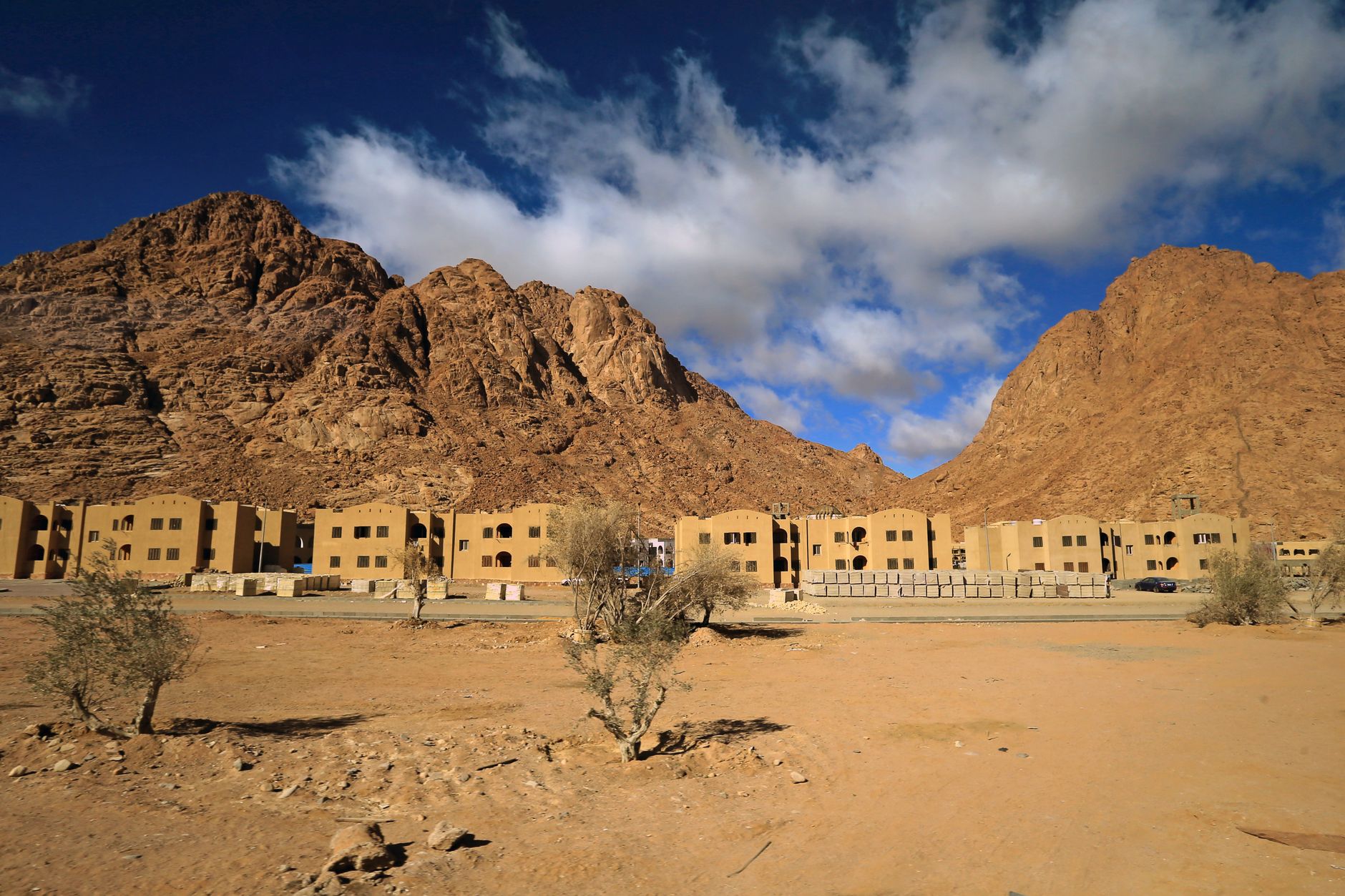
Balochistan CM Confirms 1,000 Residents to Be Relocated Ahead of Shor Parod Operation
Sarfraz Bugti told the Balochistan Assembly that around 1,000 people from the mountainous Shor Parod area of Mastung district will be temporarily relocated for a security operation, as Kalat's administration set a September 28 deadline to vacate and residents elsewhere reported similar orders.
BBP Balochistan Desk · September 28, 2026 · 3 min

Federal Constitutional Court Upholds Ban on Ahmadi Community's Core Religious Text
Pakistan's Federal Constitutional Court dismissed all petitions against a 2014 Punjab government ban on the 23-volume Rohani Khazayeen, the Ahmadiyya community's foundational religious writings, prompting UN and international rights groups to renew concern over the community's treatment.
BBP Rights Desk · September 28, 2026 · 4 min