Pakistan and Bahrain Target $1 Billion in Trade, Admit They're Behind Schedule
Pakistan and Bahrain held the third session of their Joint Ministerial Commission in Islamabad on October 8, agreeing to a new trade and investment working group while acknowledging their $1 billion trade target is running late.

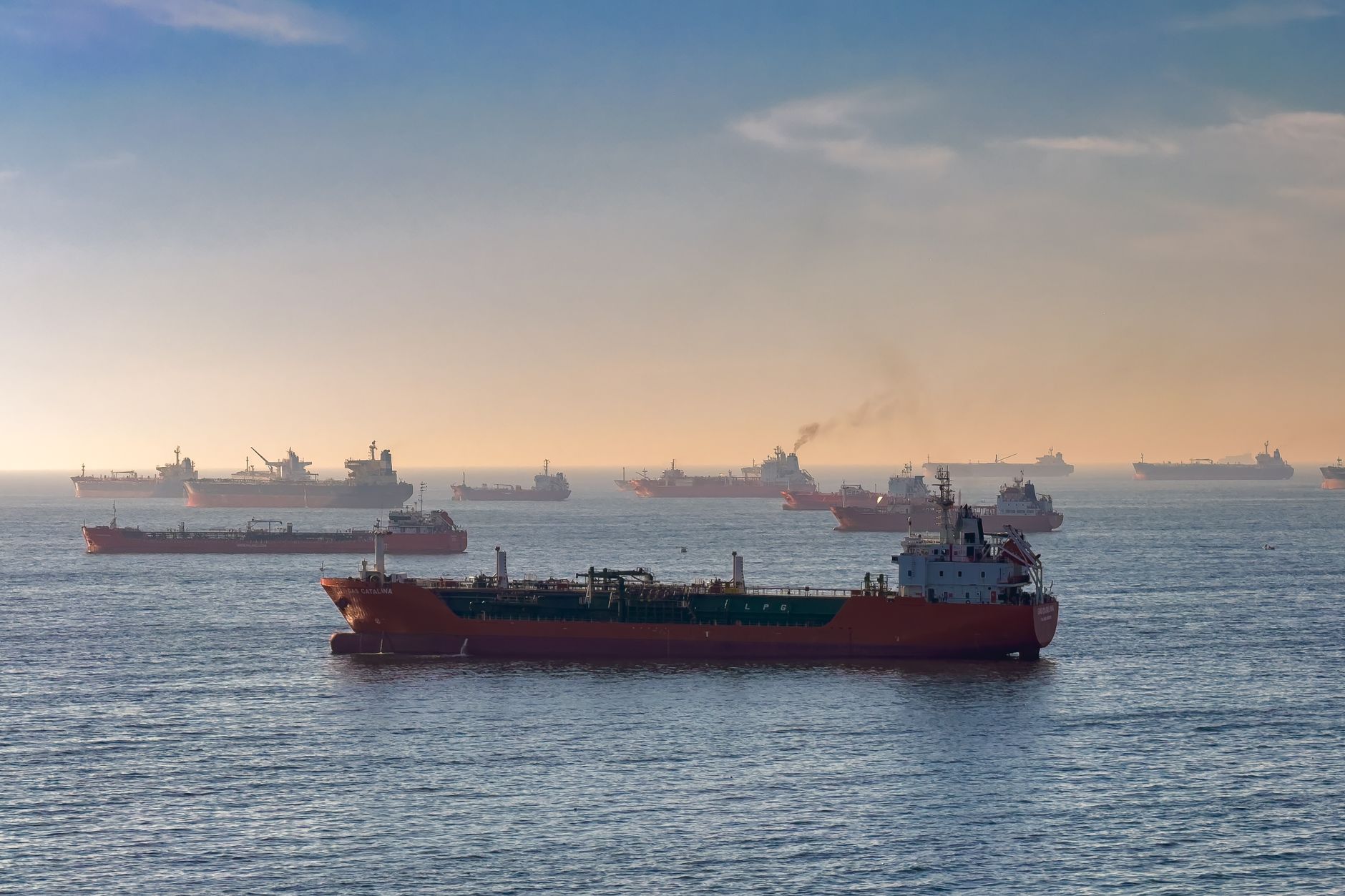
Photo by Werner Pfennig / Pexels
Pakistan and Bahrain used the third session of their Joint Ministerial Commission in Islamabad on October 8, 2026, to relaunch a trade target that both sides admit has fallen behind — while adding a new working group and more than a dozen fresh areas of cooperation to the relationship.
What was agreed in Islamabad
The commission was co-chaired by Bahraini Foreign Minister Abdullatif bin Rashid Al Zayani, who arrived in Islamabad on October 7 for a two-day visit, and Pakistan's Deputy Prime Minister and Foreign Minister Ishaq Dar. The two sides agreed to establish a joint working group on trade and investment and committed to finalising the GCC-Pakistan Free Trade Agreement, which Dar described as "almost ripe." They signed agreed minutes covering more than 15 areas of cooperation in total, spanning energy, food security, information technology, law enforcement, media, labour mobility, health, education, culture and sport. Al Zayani said a separate energy working group covering oil, gas and minerals would meet next month.
The trade target that's running late
The headline number is familiar: Pakistan and Bahrain had previously set a goal of doubling bilateral trade to $1 billion within three years. One year into that window, Dar acknowledged the target is behind schedule, attributing the delay to what he called a "very turbulent" regional period — a reference to the disruption Gulf economies have absorbed from the broader Middle East conflict this year. That admission is notable mainly for its candour; joint ministerial commissions more often restate targets than concede they're slipping.
Why the timing matters
Bahrain's visit lands as Pakistan works to deepen economic ties across the Gulf more broadly, a push that has intensified as regional security arrangements have hardened. Pakistan signed a separate rapid-deployment defence understanding with Turkey and Saudi Arabia earlier this month, which we covered here, and the GCC-Pakistan FTA that Dar called "almost ripe" has been a recurring, if slow-moving, feature of Pakistan's trade diplomacy for several years. Finalising it would matter more to Pakistan's trade numbers than any single bilateral commission: Gulf Cooperation Council members collectively represent a far larger market than Bahrain alone.
Where this fits in Pakistan's export picture
The Bahrain commission arrives at a moment when Pakistan's trade data is sending mixed signals. Services exports posted a strong surge heading into this fiscal year, as this desk reported in early October, but the broader goods trade deficit has remained a persistent drag on the current account, a trend we tracked through September. A $1 billion trade relationship with Bahrain alone would not move those aggregate numbers much, but Islamabad has been explicit that it sees individual Gulf agreements as building blocks toward the larger GCC-wide deal, which would.
What to watch next
The near-term marker is next month's energy working group meeting on oil, gas and minerals — a test of whether the broader cooperation agenda signed this week produces concrete deals or simply adds another recurring meeting to the calendar. The larger marker is the GCC-Pakistan FTA itself: Dar has now called it "almost ripe" at a moment when Pakistan needs trade wins it can point to alongside its IMF program commitments, and a stalled Bahrain target from the same commission framework is a reminder that Gulf trade ambitions and Gulf trade delivery haven't always moved at the same pace.
Build Better Pakistan's Economy Desk covers Pakistan's trade diplomacy and what it does, or doesn't, deliver for the country's export numbers.
This article is part of our Economy coverage — Inflation, growth, trade and the everyday cost of living across Pakistan.
Frequently Asked Questions
- What did Pakistan and Bahrain actually agree to on October 8?
- At the third session of the Pakistan-Bahrain Joint Ministerial Commission in Islamabad, the two countries agreed to form a joint working group on trade and investment, committed to finalising the GCC-Pakistan Free Trade Agreement, and signed agreed minutes covering more than 15 areas of cooperation, including energy, food security, IT, law enforcement, health, education and labour mobility.
- Is the $1 billion trade target on track?
- No. Pakistan and Bahrain set a goal of doubling bilateral trade to $1 billion within three years, but one year into that window, Deputy Prime Minister and Foreign Minister Ishaq Dar acknowledged the target is behind schedule, attributing the delay to what he called a 'very turbulent' regional period.
Related Reading
PSX Opened Higher on the IMF Deal. It Closed Down 1,138 Points on Oil.
The KSE-100 rose nearly 400 points at Thursday's open on optimism over Pakistan's IMF staff-level agreement, then reversed to close down 1,138.50 points as a record spike in Strait of Hormuz tanker attacks pushed Brent crude sharply higher.
BBP Markets Desk · October 8, 2026 · 3 min

Pakistan and the IMF Finally Reach a Staff-Level Deal — $1.21 Billion Still Needs the Board's Sign-Off
After a mission that ran from September 23 to October 7 in Karachi and Islamabad, the IMF and Pakistan reached a staff-level agreement on the fourth EFF review and third RSF review, clearing the way for roughly $1.21 billion once the Fund's Executive Board approves it — the deal this desk watched take shape through the MEFP draft handed over on October 6.
BBP Economy Desk · October 8, 2026 · 4 min
Nearly 40% of Faisalabad's Power Looms Have Shut Down, Leaving 100,000 Jobless
Industry figures put the toll of Pakistan's power-loom crisis at nearly 40% of units in Faisalabad and adjoining towns shut and more than 100,000 workers out of work, as owners blame cheaper under-invoiced Chinese yarn and grey cloth alongside rising utility costs.
BBP Economy Desk · October 7, 2026 · 4 min