Pakistan Presses UN for $300 Billion Climate Finance Deal, Tripled Adaptation Funds
At the UN General Assembly's Second Committee, Pakistan's deputy envoy pushed for a credible path to $300 billion a year in climate finance, tripled adaptation funding, and debt-system reform to address a $4 trillion annual SDG financing gap.
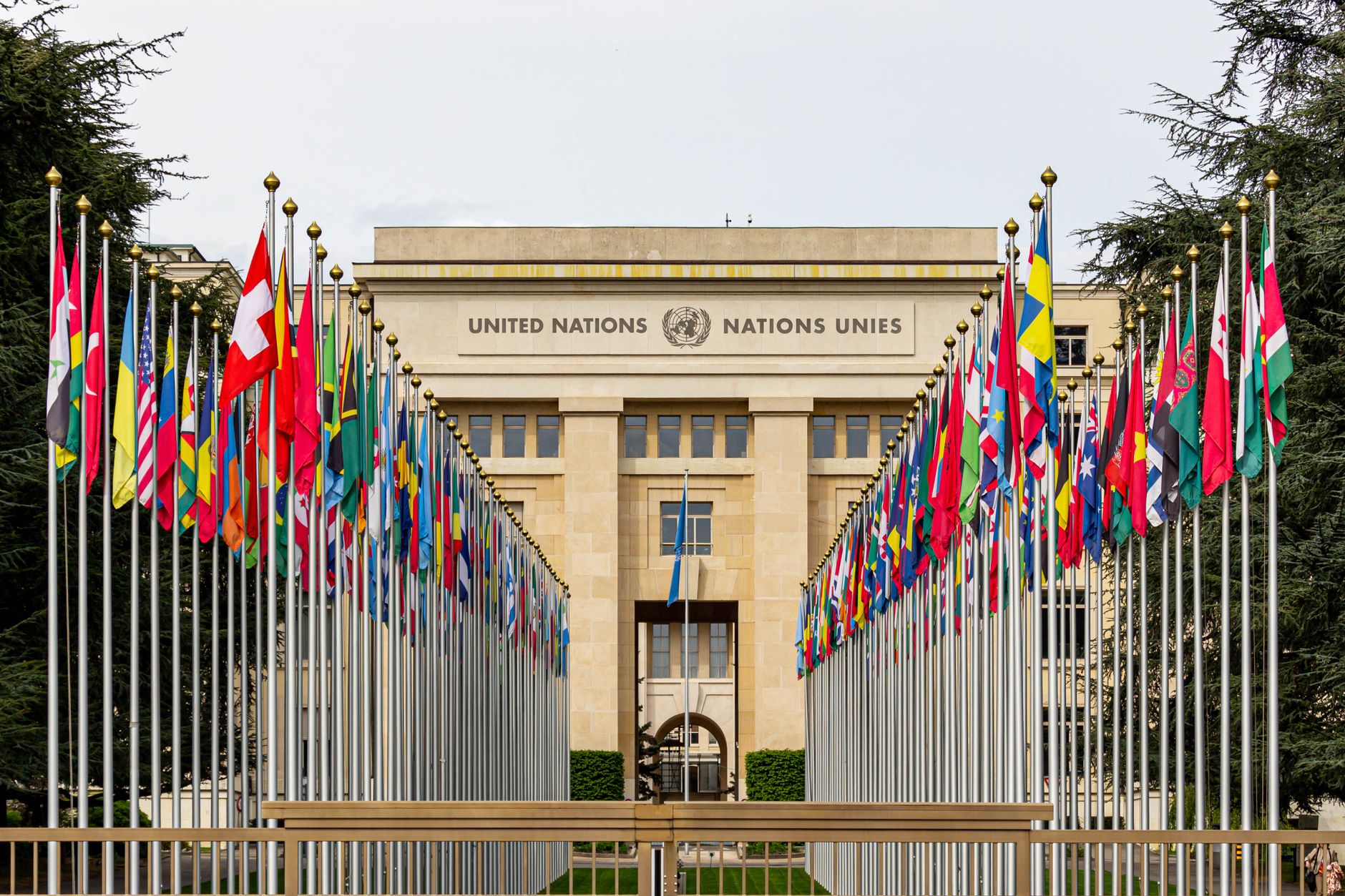
Photo by Hugo Magalhaes / Pexels
Pakistan used the UN General Assembly's Second Committee this week to press for a concrete financing path rather than another round of pledges, telling delegates that climate finance, debt relief and water-treaty compliance are now inseparable issues for a country that sits near the top of the world's climate-vulnerability rankings.
What Pakistan actually asked for
Ambassador Usman Jadoon, Pakistan's Deputy Permanent Representative to the UN, laid out the position during the Committee's general debate on October 6, 2026. He pressed for a believable route to mobilising $300 billion a year in climate finance, drawn from grants and concessional lending rather than loans that add to recipient countries' debt stock. He also asked that adaptation finance be tripled from current levels and that the Loss and Damage Fund — agreed in principle at earlier climate conferences but still thinly capitalised — actually be filled. Pakistan backed a push from Türkiye and Australia, the co-hosts of COP31, to make next year's summit a "COP of delivery" rather than another venue for restated targets.
Why Pakistan is tying water into the same speech
Jadoon also asked the UN's 2026 and 2028 Water Conferences to take up the full range of water problems facing the world, with particular attention to cooperation over shared rivers, and stressed that treaties governing transboundary waters must be respected by all parties. That is not an abstract point for Pakistan: the country's water-sharing arrangement with India has been under sustained strain this year, which we've covered in detail separately, and Islamabad has consistently framed any erosion of that treaty as a threat on par with its other security concerns.
The debt argument underneath the climate ask
The third plank of Jadoon's remarks was debt reform — a call for developing countries to have a bigger say in how the international debt system works, paired with a push for larger lending from multilateral development banks. Pakistan cited an estimated $4 trillion annual shortfall facing developing countries trying to meet the Sustainable Development Goals, a gap the country argues cannot close without both new climate money and relief on existing obligations. That argument lands differently given Pakistan's own debt position: public debt crossed Rs 86.7 trillion this fiscal year, as this desk reported last week, and debt-service costs routinely outpace what the federal government can spend on climate adaptation in any given budget cycle.
Why Pakistan keeps making this case
Pakistan's climate-finance argument rests on a simple asymmetry it raises at nearly every international forum: the country produces under 1% of global greenhouse-gas emissions yet consistently ranks among the handful of nations most exposed to climate-driven disasters, from the 2022 floods to this year's record rainfall in Punjab, which forced flood alerts along the Ravi just last week. That exposure is also economic exposure — disaster response and reconstruction compete directly with development spending, which is the connective tissue between Jadoon's climate remarks and his debt remarks in the same speech.
What happens next
The Second Committee's general debate is a venue for positioning rather than binding commitments, so nothing Jadoon said this week obliges any other country to act. The real test comes at COP31, where Pakistan will be watching whether Türkiye and Australia's "delivery" framing produces an actual financing mechanism rather than another restated target, and at the 2026 and 2028 UN Water Conferences, where Pakistan wants binding language on respecting existing transboundary water treaties rather than voluntary cooperation principles.
Build Better Pakistan's Climate Desk tracks how international climate and water diplomacy translates — or fails to translate — into financing and protections that reach Pakistani households.
This article is part of our Climate & Environment coverage — Floods, water scarcity and building a more climate-resilient country.
Frequently Asked Questions
- What specifically did Pakistan ask for at the UN this week?
- Speaking in the UN General Assembly's Second Committee general debate on October 6, 2026, Pakistan's Deputy Permanent Representative, Ambassador Usman Jadoon, called for a credible route to raising $300 billion a year in climate finance, tripling adaptation finance, fully capitalising the Loss and Damage Fund, reforming the international debt system, and respecting existing treaties on shared transboundary waters.
- What is the $4 trillion figure Pakistan cited?
- Jadoon pointed to an estimated $4 trillion annual financing shortfall facing developing countries trying to meet the UN's Sustainable Development Goals, and called for developing countries to get a bigger voice in the international debt system and for multilateral development banks to lend more.
Related Reading
Three Weather Systems Collide Over Punjab, Triggering a Ravi River Flood Alert and 'Record-Breaking' Rain Warning
Punjab's disaster management authority warned of record-breaking rainfall through October 7 as a Mediterranean-fed western disturbance, an Arabian Sea low and a Bay of Bengal depression converge, prompting a Ravi River flood alert and a dam discharge increase to 37,000 cusecs.
BBP Climate Desk · October 7, 2026 · 3 min
EU Monitor Places Lahore in Its Worst Band for Ground-Level Ozone
A new Copernicus Atmosphere Monitoring Service report, published September 30, ranks Lahore among cities with 'extremely poor' ozone levels, as heatwaves and emissions pushed a third of the world's population into the same category this year.
BBP Climate Desk · September 30, 2026 · 3 min
Pakistan Needs $565.7 Billion for Its Climate Pledges. It Has Accessed Less Than Half a Billion.
Pakistan's NDC 3.0 commits to cutting emissions up to 50 percent by 2035, a target the World Bank prices at $565.7 billion. Reporting this week found the country has drawn under half a billion dollars from the main global climate funds combined.
BBP Climate Desk · September 28, 2026 · 4 min