Wapda Signs Rs133 Billion Contract for Diamer-Bhasha Dam Gates and Steel Works
Wapda signed a Rs133.18 billion hydro-mechanical contract with a Power China-IKAN joint venture to build the gates and steel structures that will control water flow at the Diamer-Bhasha Dam, whose overall cost has more than doubled since it was approved.
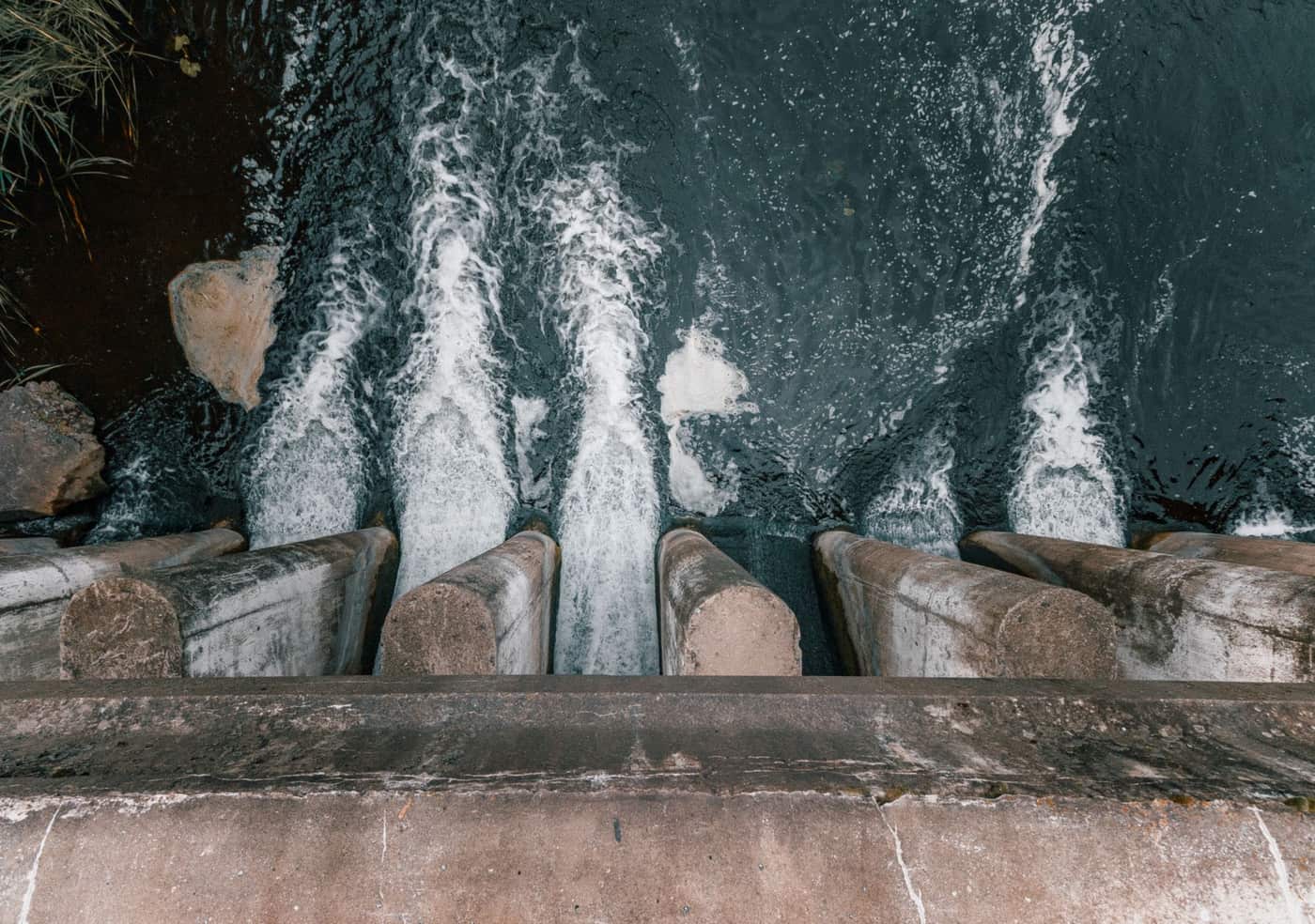
Photo by Kris Møklebust / Pexels
Wapda signed a Rs133.18 billion contract on Saturday for the gates and steel structures that will regulate water flow at the Diamer-Bhasha Dam, the latest component of a hydropower project whose overall cost has more than doubled since it was approved.
The hydro-mechanical contract, known as HM-1, went to a joint venture of Power China and IKAN at a signing ceremony at Wapda House. Diamer-Bhasha Dam Project chief engineer and project director Arif Ali signed for Wapda, and Ling Jianke signed as the joint venture's authorised representative, in front of Wapda chairman retired Lt Gen Muhammad Saeed, the authority's finance, water and power members, the chief executive of the Diamer-Bhasha Dam Development Company, and a joint venture delegation led by the chairman of Power China International Group Limited.
What the contract covers
The scope is the equipment that actually controls the dam's water, rather than the dam structure itself: manufacturing, supplying and installing the gates and hydraulic steel structures at the flushing tunnels on both banks, the power intakes and the dam outlets, along with steel lining, hoisting and pumping systems and the electrical works that go with them. A Wapda spokesperson called the project "a priority project of the federal government" for the country's water, food and energy security.
Once complete, Diamer-Bhasha is designed to hold 8.1 million acre-feet of water and generate 4,500 megawatts of electricity from a site on the Indus River about 40 kilometres downstream of Chilas in Gilgit-Baltistan. That storage capacity would address a gap Pakistan's water managers have flagged repeatedly this year: a 22 percent shortfall projected for this Rabi season because the country's existing reservoirs cannot hold enough water to smooth out seasonal shortages.
A cost that has more than doubled since approval
This gates-and-steel package is only one piece of a project whose price tag has grown sharply since it was first approved. Pakistan's Ministry of Water Resources said in July 2026 that the dam component's cost had risen 134 percent to Rs1.122 trillion, against an originally approved Rs479.7 billion, and pushed the completion deadline back from February 2029 to December 2030. The ministry attributed most of the increase to the rupee's slide from about Rs105 to the dollar at approval to around Rs280 now, along with revised contract pricing and added security spending. Mohmand Dam and Dasu Hydropower Stage I, Wapda's other large dam projects, have seen even steeper cost increases over the same period, the ministry said, rising 115 percent and 260 percent respectively.
The main civil works contract for Diamer-Bhasha, covering the diversion system, the dam itself, an access bridge and a smaller 21-megawatt hydropower unit at Tangir, went to a separate Power China-Frontier Works Organisation joint venture in 2020 at a value of about Rs442 billion. Saturday's HM-1 award is a later, narrower package layered on top of that original contract rather than a revision of it.
Why the timeline matters beyond this one dam
Diamer-Bhasha has been part of Pakistan's water-storage planning for decades, and its repeated cost escalation illustrates a problem that extends well past this single project: large, multi-year infrastructure contracts priced years ago in rupee terms get more expensive every time the currency weakens, regardless of how efficiently construction itself proceeds. Wapda's chairman and officials attending Saturday's signing did not give a completion date for the HM-1 package specifically, so whether this component tracks the dam's broader 2030 target or runs on its own schedule is not yet public.
Build Better Pakistan's Energy Desk is tracking Wapda's Diamer-Bhasha Dam contracts and will update this piece as further project components are awarded.
This article is part of our Energy coverage — Circular debt, load-shedding and the push toward a reliable power grid.
Frequently Asked Questions
- What does Wapda's new Rs133 billion contract cover?
- The hydro-mechanical (HM-1) contract, awarded to a Power China-IKAN joint venture, covers manufacturing, supplying and installing the gates and hydraulic steel structures that control water flow at the Diamer-Bhasha Dam, including work at the flushing tunnels on both banks, the power intakes and the dam outlets, plus steel lining, hoisting and pumping systems and related electrical works.
- How much will the whole Diamer-Bhasha Dam cost and when will it be finished?
- Pakistan's Ministry of Water Resources put the dam component's cost at Rs1.122 trillion as of July 2026, a 134 percent rise from the originally approved Rs479.7 billion, and pushed the completion deadline from February 2029 to December 2030. The ministry cited the rupee's depreciation, revised contract costs and added security spending.
Trending Now
- 01
Pakistan Faces $1.29bn LNG Import Bill This Winter as Qatar Supply Stays Disrupted
October 26, 2026
- 02
Bill Would Merge Privatisation Bodies Into One Commission, Shield Officials From Legal Action
October 26, 2026
- 03
Smartphone Prices Jump Rs15,000-30,000 Across Pakistan on Chip Costs
October 26, 2026
- 04
Makkah Pact Ratified by Pakistan and Saudi Arabia as Allies Head to Tehran
October 26, 2026
- 05
Peshawar High Court Issues Notices on KP Emergency, Adjourns to November 10
October 25, 2026
Weekly Briefing
The week's most important stories on Pakistan's biggest challenges, in your inbox.
Related Reading
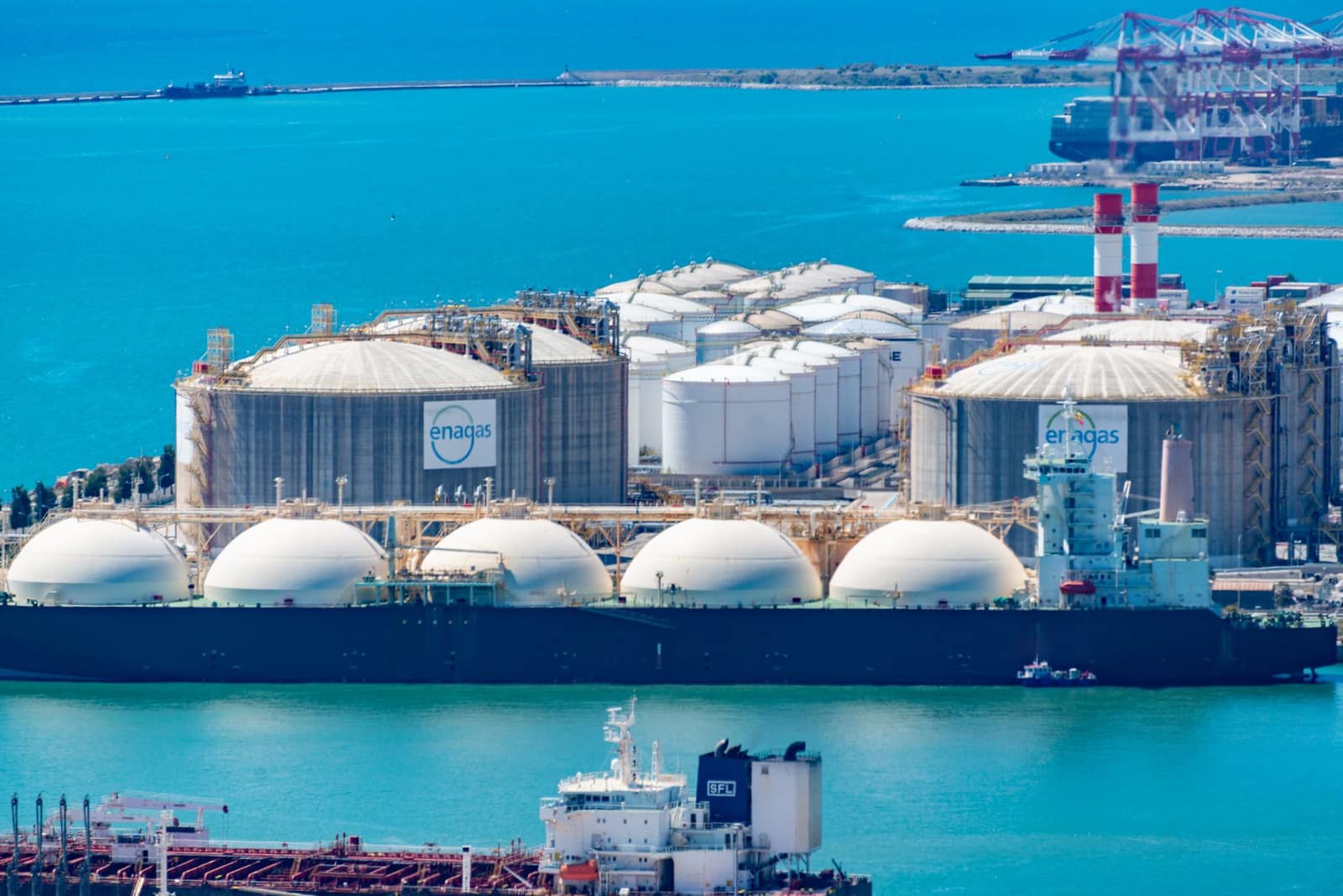
Pakistan Faces $1.29bn LNG Import Bill This Winter as Qatar Supply Stays Disrupted
Pakistan's LNG import bill for November 2026 to February 2027 is projected at $1.29 billion, officials say, as continuing disruption to Qatari supply forces the country to buy roughly half its winter cargoes on the spot market at close to double the contracted price.
BBP Energy Desk · October 26, 2026 · 3 min
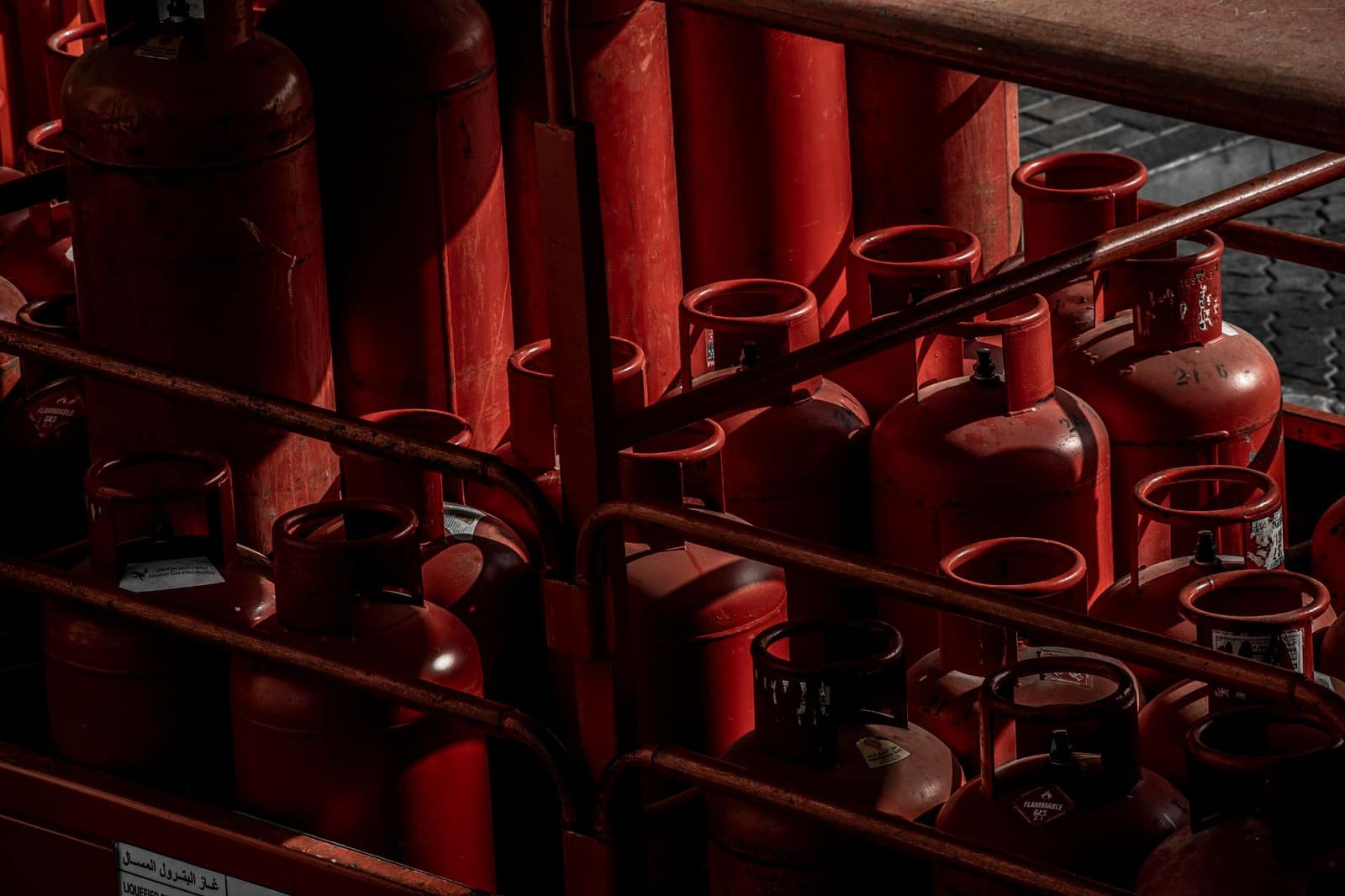
LPG Cylinders Sell at Rs5,000, Almost 52pc Above Official Rate, as Government Flags Hoarding
The Petroleum Division has told OGRA and provincial authorities to act against suspected LPG hoarding ahead of winter, after domestic cylinders began changing hands near Rs5,000, well above the Rs3,296 notified maximum, as Strait of Hormuz disruptions squeeze imports.
BBP Energy Desk · October 18, 2026 · 4 min
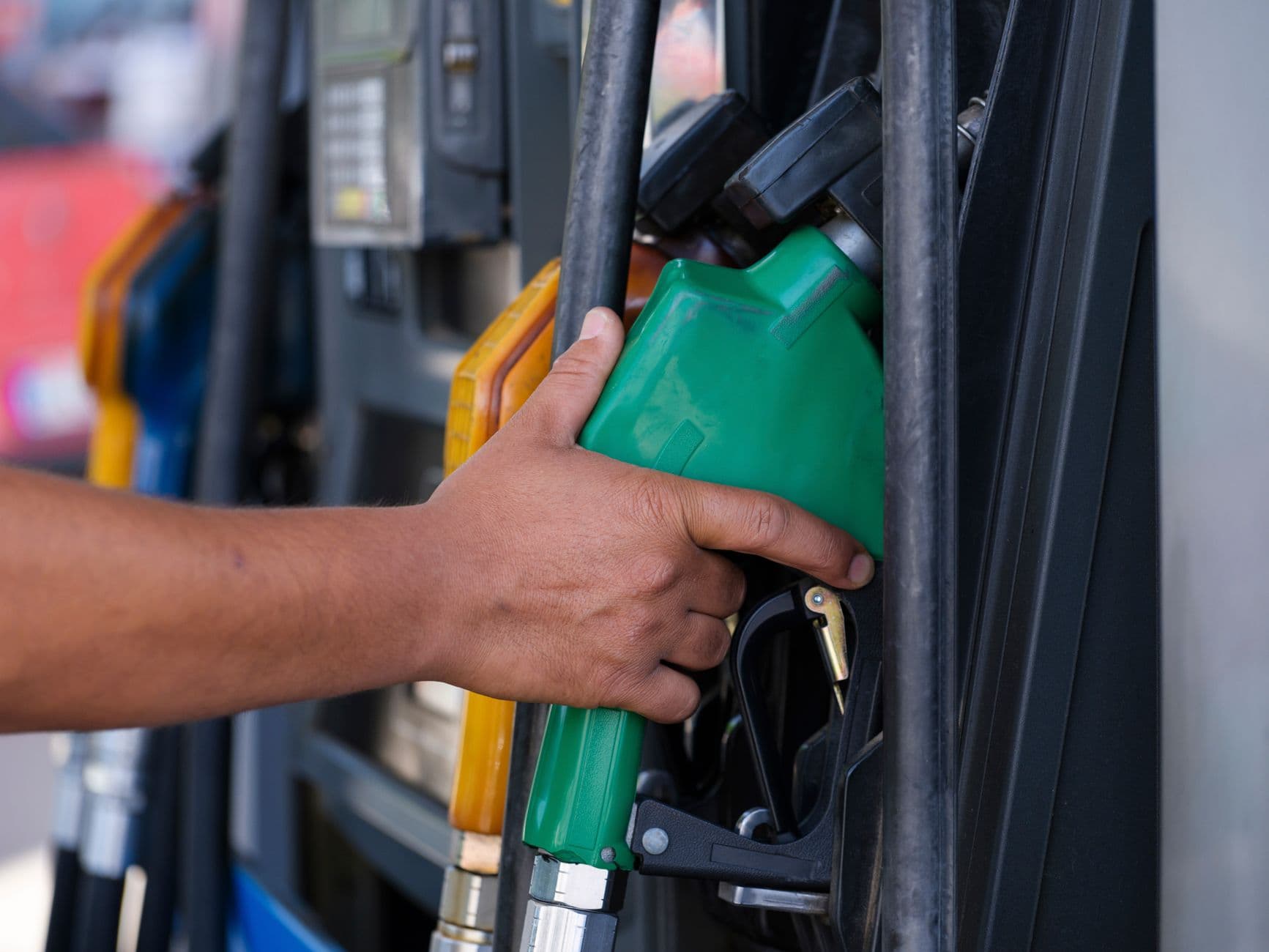
Petrol Falls Rs3.93 to Rs386.30 a Litre for the Weekend, Diesel Holds Steady
The Petroleum Division cut petrol by Rs3.93 to Rs386.30 a litre for October 17 to 19, while high-speed diesel stayed unchanged at Rs396.96, as OGRA's daily pricing mechanism pulled petrol down for a second straight revision after it briefly neared Rs400 earlier this month.
BBP Energy Desk · October 17, 2026 · 3 min